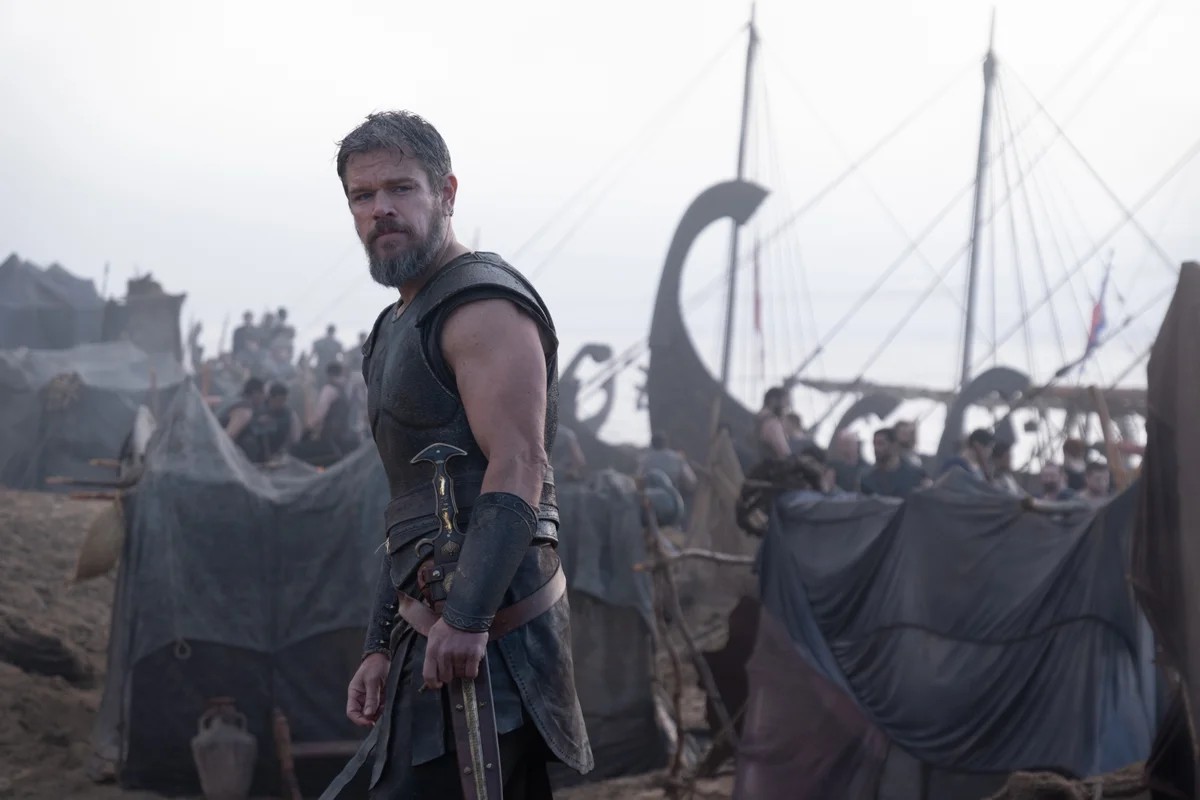
Christopher Nolan’s new Odyssey adaptation is here. It brings back Homer’s epic with a modern sheen. The costumes might ignore history. But the story? That’s timeless.
It’s been over 2,500 years since The Odyssey hit the page. It still hits hard.
Why? Psychology has a clue. The narrative structure at the heart of the epic—the “hero’s journey”—shapes everything. Star Wars. Barbie. Our own lives. Researchers at Boston College say we find meaning by viewing ourselves as Odysseus navigating our own storms.
“If your life story felt similar to a familiar type of story…, that would feel comfortable,” says Ben Rogers. Coherent. That comfort matters. It anchors our sense of self.
The mechanics of meaning
Joseph Campbell coined the term “hero’s journey.” He drew on Carl Jung’s psychoanalysis. Campbell saw stories as metaphors for reality. He called it a “monomyth.” It’s universal. Gilgamesh used it thousands of years earlier. Mesopotamia knew.
But Campbell’s 17 steps were complex. Rogers and his team simplified it. Seven elements.
- Protagonist
- Shift
- Quest
- Allies
- Challenge
- Transformation
- Legacy
The data is striking. The team tracked over 1,200 life stories. They measured depression. Life satisfaction. Meaning.
People who wove more of these seven elements into their narratives reported higher meaning. Lower depression.
How restorying improves mental health
The study went deeper. They didn’t just observe. They intervened.
Prompting participants to “restory” their lives changed outcomes. Well-being improved. The sense of meaning grew. It wasn’t magic. It was structure.
Which parts matter most? Two stand out. Challenge and transformation.
“The heart of it… is that central challenge and then transformation.” Rogers says.
Superheroes gain powers. Real people? They gain perspective. Emotional intelligence. A cognitive shift. Psychological change. That shift is the key to meaning. Without it, the story stagnates.
When the hero’s journey isn’t enough
Not everyone needs to be Odysseus. A 2025 paper in American Psychologist offers a counterpoint.
Daniel Newark, studying decision-making at HEC Paris, argues for letting go of the self-narrative. Western culture loves the hero myth. It’s self-focused. And sometimes that’s a trap.
“Abandoning self-narrative can be more freeing.” Newark argues.
Some stories lock you in. The victim narrative. The tale of your own disempowerment. They breed rumination. They stop growth.
So what’s the alternative if you don’t resonate with the hero’s journey?
Arbitrary commitment.
Do the work. Not because it’s a “canon event” in your grand story. Do it because you choose fulfillment in the doing.
Mindfulness.
Drop the internal monologue. Ground yourself. Observe your surroundings.
“Just being present… some of those existential questions may quiet down.” Newark notes. You can find motivation by being attuned to where you are. Right now. Not in the mythic past or future.
It’s not just about you
There’s a risk, sure. Narcissism hides in the mirror of the hero’s journey.
But Rogers sees it differently. Applied correctly, it’s prosocial. It pushes you outward.
The Odyssey isn’t just about Troy vs. Ithaca. It’s about strength. The strength to return to loved ones.
“It’s a structure that puts together what humans… value,” Rogers says. Growth. New experiences. Allies. Challenging yourself. Legacy.
These aren’t just plot points. They’re human values. We chase them because they matter. Even if your version of the journey doesn’t have a monster or a magical cloak. You’re still navigating. And that’s enough.