Forget the fragile glass-doll image of royalty. Chiseled Egyptian princesses knew their way around a bow. They didn’t just watch the men hunt. They led the charge.
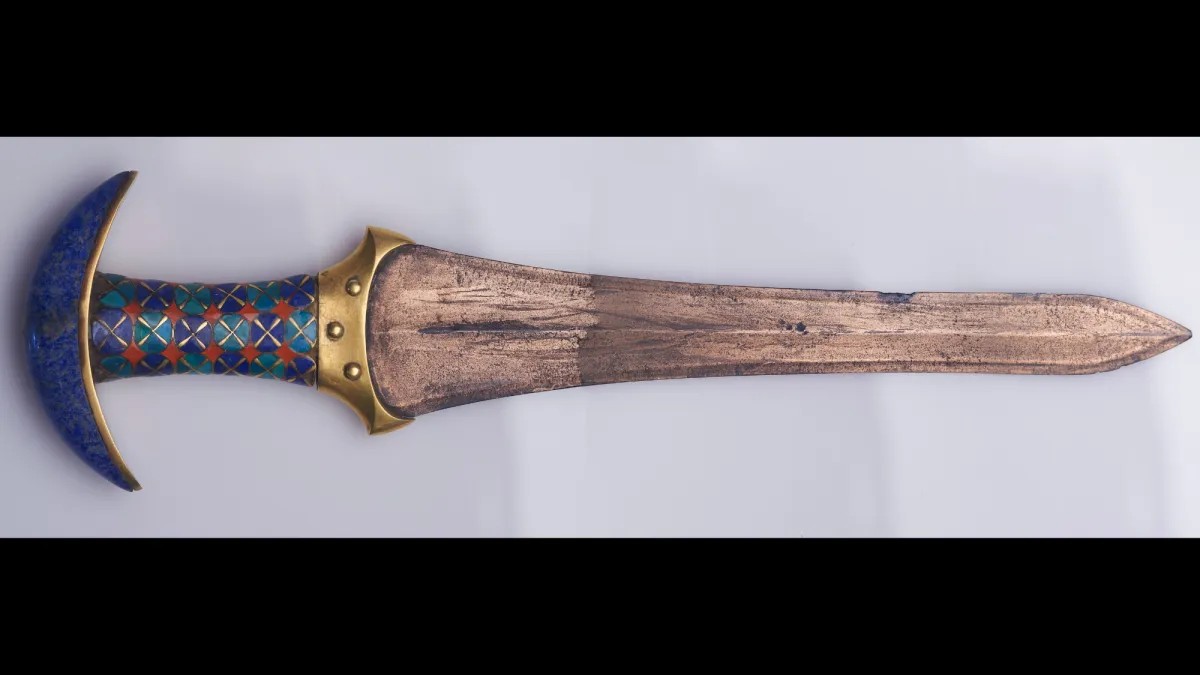
We usually picture Egyptian tombs filled with gold, food, and pets for the afterlife. Correct. Weapons show up too, though often dismissed as male privilege or mere status symbols. Not always true. In some cases archaeologists found combat gear buried with women. The big debate for decades: Did they hold them, or just display them?
After digging into six ancient bodies, we finally have the answer. Yes. These women fought. And they hunted.
The Dahshur princesses revealed by modern science
For years these mummies vanished into museum archives. Rediscovered in 2020 during a cleanup project at the Egyptian Museum they sat untouched since late-19th century excavations at Dahshur. A necropolis packed with some of Egypt’s oldest pyramids.
Zeinab Hashesh from Beni-Suef University and her team brought advanced tech to bear on these long-lost ladies. They were family. Four sisters daughters of Amenemhat II, a 12th-dynasty pharaoh who died around 1895 B.C.E. One other female remains identified. Another likely their sister, Sathathormeryit, buried in the same matching underground chambers.
Time has been cruel. Skulls? Gone. Soft tissue? Dust. Some bones missing. But the skeletal remains told a story louder than the jewelry ever could.
Evidence of elite athletic performance in royal tombs
Here is the smoking gun: muscle attachment marks.
Princess Ita lived to about 32. Her upper body bore strong scars from muscles pulling tight on bone. The kind of stress generated by swinging heavy maces or gripping ornate daggers. Daily use.
It’s not just Ita. Her sister Itaweret died between 20 and 34 years old. Her bones scream archery. Specifically, the kind of repetitive, high-intensity pulling of a bowstring that builds massive tendons. Another sister, Khenmet, showed similar ligament strength despite bone thinning from age.
The collective data on their arms is undeniable. Heavy weights. Bows. Repetitive motion. This directly explains why bows arrows and maces were buried with them.
“These were not just symbolic gifts but tools they actively used.” – Zeinab Hashesh
Royal medical care allowed them to survive battlefield injuries
Did they suffer? Absolutely.
Itaweret didn’t live easy. Healed fractures in both her ribs. A broken foot. Infection signs too. Nutritional deficiencies plucked at their systems. Spinal conditions shared across the sisters hint at consanguineous breeding common in royal lines to keep blood pure.
Yet they healed. Well.
The breaks set. The infections were managed. This points to one conclusion: elite medical intervention. They had doctors. Good ones. Capable enough to keep high-profile fighters upright despite severe trauma.
Why does this matter? Because it shatters the passive stereotype. These weren’t women sitting behind veils waiting for rescue. They were active participants in dangerous physically demanding pursuits. Skilled. Dangerous. Resilient.
What remains unknown? Without skulls, no DNA sequencing. No facial reconstruction. The political maneuvering, the family drama, the exact dates of birth remain hidden in the dark. Future isotope tests might reveal what they ate. Where they traveled. But for now? The bones speak clearly enough.
She held the weapon. She broke a bone. She survived. Try telling that was decoration.