Two meteor showers. One intense week.
If you live for shooting stars, the last few days of July 2026 are non-negotiable. We aren’t just talking about a single peak night here. We’re looking at a back-to-back display that runs from July 28 to July 31.
First up, the sky hands us the Southern Delta Aquariids. It’s a shower that defies easy categorization. Most meteor showers are linked to specific parent comets or asteroids. This one? Not so much. The debris trail has no confirmed origin story.
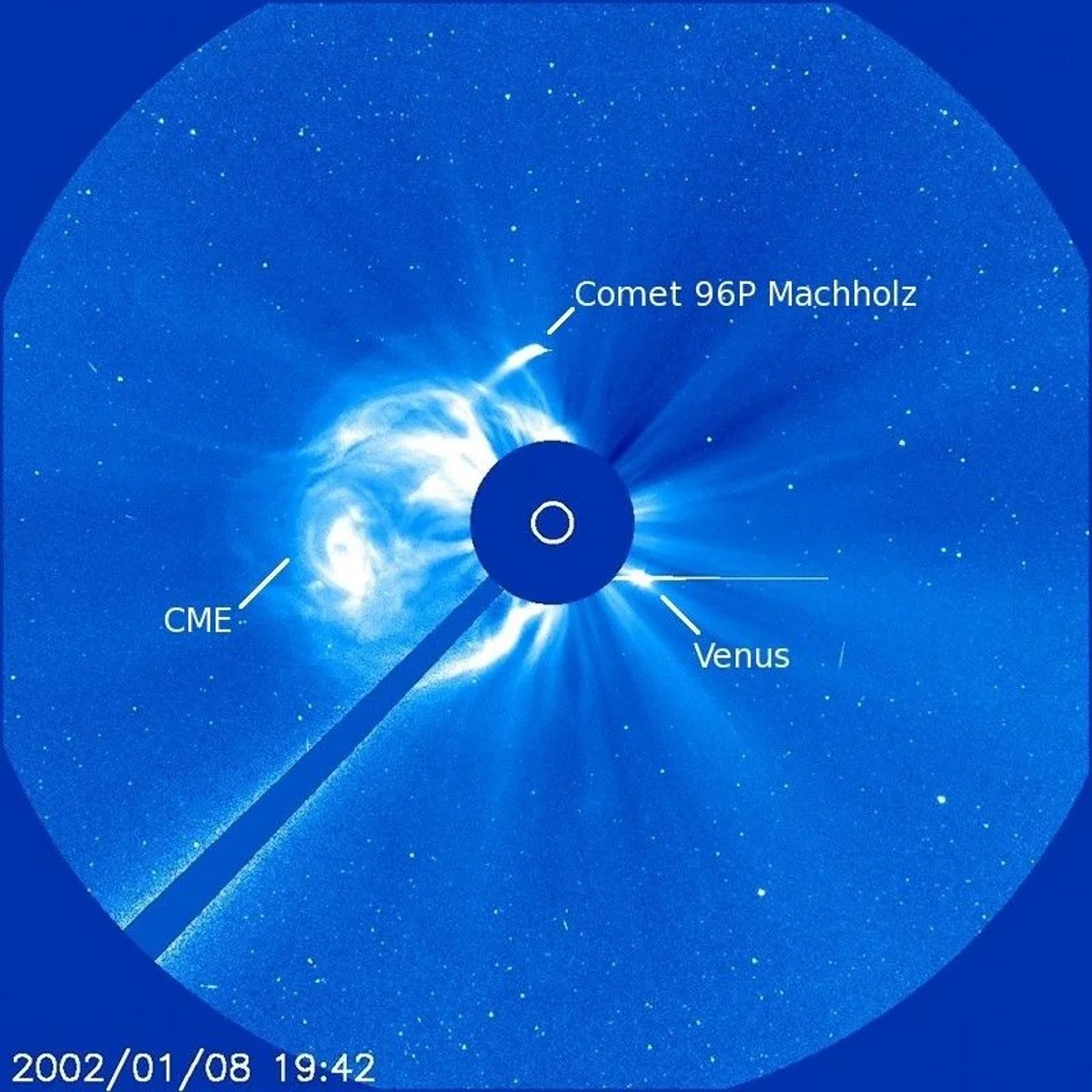
Scientists are still hunting for the source rock. NASA points a finger at Comet 96P Machholz as the likely culprit, but the evidence isn’t settled.
The name comes from Aquarius. That’s the constellation where they seem to burst forth. But don’t expect a light show that outshines the sun. These meteors are notoriously faint. To see them, you need three things: darkness, patience, and a moonless window.
When to see the Southern Delta Aquariids
This year, the Southern Delta Aquariids peak hits on July 28 and July 29.
That’s when the rate tops out. Expect roughly 15 meteors per hour if conditions align. And conditions might not.
Here’s the problem. The moon will be a waxing gibbous during the peak. It’s bright. It’s intrusive. It’s going to wash out a good chunk of those faint streaks.
You’ll still see them if you know where to look, but the contrast is lower. The best bet is the pre-dawn hours. That’s when the sky is darkest and Earth’s atmosphere is least turbulent for the northern observer.
Where to watch for best visibility
Latitude matters.
The Southern Delta Aquariids favor the Southern Hemisphere. If you’re in the southern half of the world, you’re in the sweet spot. For those of us stuck in the Northern Hemisphere, stick to the lower latitudes. The further south you go, the better.
NASA suggests a specific viewing method. Don’t just look up. Lie flat. Look at a patch of sky roughly 45 degrees from Aquarius, halfway between the horizon and your zenith.
Give your eyes thirty minutes to adapt. If you squint, you’ll miss them. If you scan too quickly, you’ll blink out the briefest flashes.
Enter the Alpha Capricornids
Missed the Aquariids? The sky isn’t done with you.
Two days later, July 30 and 31, the Alpha Capricornids take over.
This isn’t a shower defined by volume. You won’t see hundreds of meteors streaking by. The hourly rate is significantly lower than its predecessor. But quality beats quantity here.
These are the fireballs.
Bright. Slow. Colorful.
They are the remnants of Comet 169P/NEAP. Debris from that comet hits Earth’s atmosphere with a specific velocity that creates those long, lingering trails. You can spot these from both hemispheres, though the radiant point in Capricornus means higher northern latitudes still have a decent view.
How to prepare for the double header
The strategy for both showers is identical.
- Get away from light. Urban glow kills visibility. Find the darkest spot you can reach.
- Arrive early. Your eyes need time. Thirty minutes is the baseline. An hour is better.
- Let them come to you. Don’t hunt. The radiant points are abstract concepts in the sky. Just watch a large sector of the heavens.
The moon will be an issue for the Aquariids. For the Capricornids, the moon’s phase shifts slightly, but it’s still not new. Expect some interference, but the brightness of the fireballs should punch through the lunar glare.
It’s a short window. July 28 through July 31.
If you’ve never stayed up until 4 AM to watch space rocks burn up, this is the week to start. Or don’t. You’ll still have next year. But the skies are offering a free show. Might as well watch.