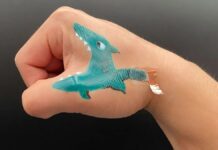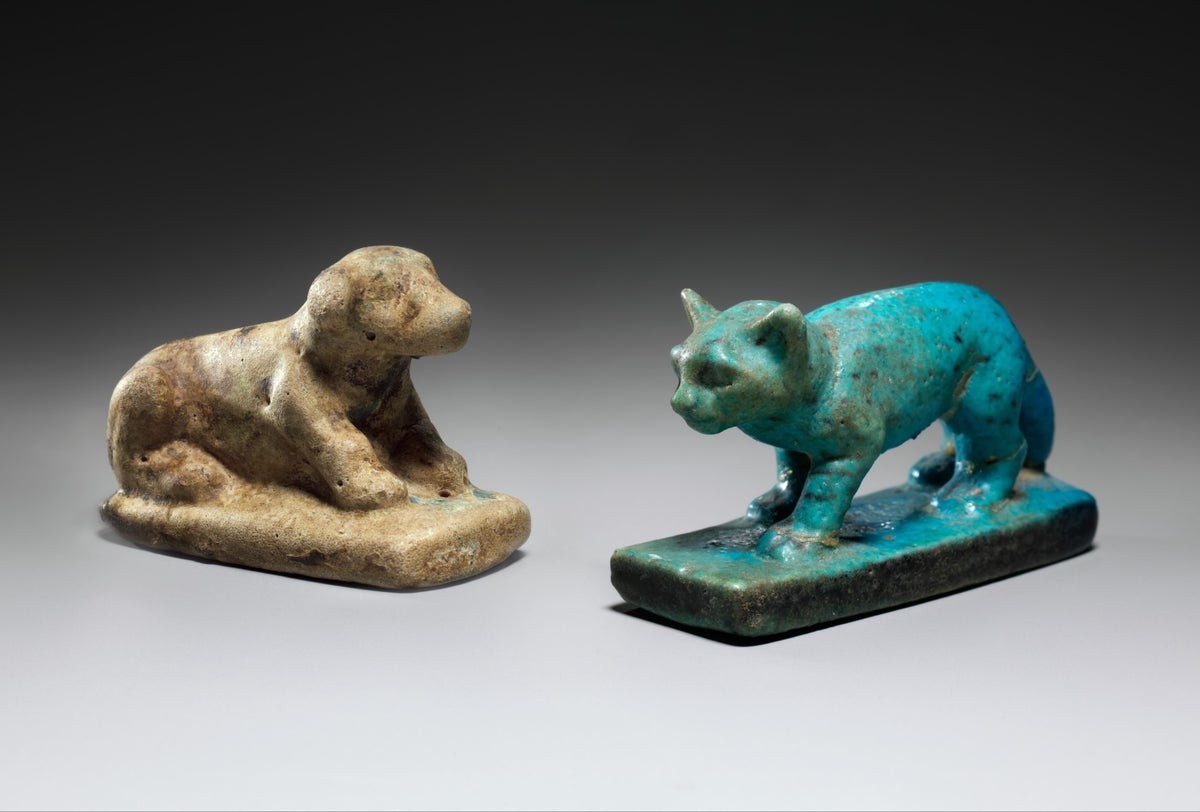
If you like Wordle but want to burn slightly more mental calories, there’s a new game. Anthropeum. It’s free. It’s daily. It uses artifacts from the Met Museum.
You see a picture. You place a pin on a map. You pick a date on a timeline. Simple. Deceptively so. Last Wednesday I stared at a bronze sculpture that looked vaguely like a chariot part. I guessed Italy. I guessed 500 B.C.E.-ish. I was right. The dopamine hit? Real.
But creator Matthew Chu, 21, says this isn’t about stroking your ego.
“I want people to see stuff that don’t know, so they can learn.”
Chu is an accounting and data major at the University of Washington. He hangs around with coin collectors. He watches them salvage unidentified junk from scrapyards and turn it into museum pieces. The process sparked an idea. How hard would it be to guess origin and time for thousands of items?
Harder than it sounds.
He pulls data from the Met’s Open Access Initiative. Over 492,00 works. To keep the game playable for the next decade, he wrote an algorithm to serve up 10 new artifacts a day.
He doesn’t just dump the data. He curates. The Met is notoriously heavy on European art. A raw database would drown you in 17th-century Dutch painters while ignoring pre-Columbian ceramics. Chu adjusted the mix. He forced a balance between Europe and the rest of the world.
Some people hated that.
“One person said I think it’s so unfair that have this artifact from random island in Pacific”
Unfair? Yes. Point of the game? Absolutely.
When you guess wrong, you learn. You go look it up. You discover a culture you’ve never considered. That’s the hook.
Chu verifies every region against open-source maps like historical-basemaps and OpenHistoricalMap. When a historical region doesn’t exist in those databases, he builds the file himself. He also cuts items that are impossible to guess—like a rock polished into a smooth ball. Nondescript art stays on the shelf.
There’s no archive yet. Can’t go back and try yesterday’s puzzle. Chu is building one. He’d also like to add items from other museums. Most of those datasets are locked down, closed off from indie developers who want to tinker.
Open source changes the game. It lets someone else build on your work.
So if you get stuck on a bronze fragment from a forgotten Pacific island, don’t rage. Get wrong. Look it up. Who knows what you’ll find?