


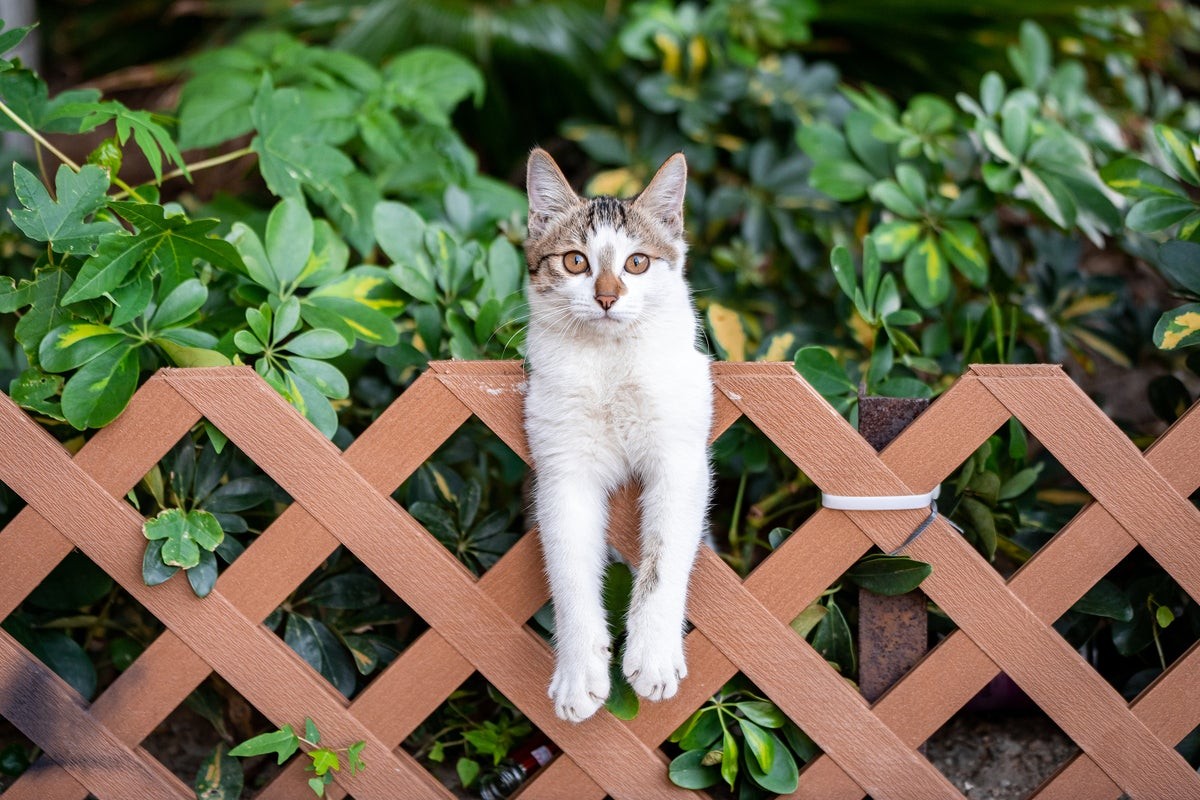
It is common knowledge that cats hunt. They eat birds. They eat mice.
We all know this. What we don’t always expect is how much they munch on insects.
I am a biologist. For years I have watched feral cats and outdoor pets hunt. I wanted to know everything they ate. Not just the mammals. Everything.
When domestic cats live wild they are invaders. They are everywhere except Antarctica. An invasive species is a messy thing. I wanted to see if they were eating endangered things too.
“Cats are likely not as significant a [threat] as wide-scale pesticide use.”
So we dug in.
Twenty years of data. Hundreds of findings. We searched Google Scholar and Web of Science. Keywords included “cat predation,” “feral cat,” “Felis catus.” We read them. Even the non-peer reviewed ones. We checked every reference section. It was tedious work.
We found 533 unique papers. Books. Thesis. Reports. Each one listed animal species consumed by cats. Plants were mostly ignored so we ignored them too.
Our first paper came out in 2023. We analyzed those 533 studies. Spanning a century of research. Cats ate nearly 2100 animal species.
Of those 2100? 347 are on the International Union for Conservation Nature Red List. Some are vulnerable. Some extinct. A few actually went extinct while we were looking.
Most of it is vertebrate meat. Birds mostly. Then mammals. Then reptiles.
But insects are there.
At least 7% of the species on the menu are bugs. Beetles lead the pack. Crustaceans are rarer. Arachnids. Centipedes. Slugs.
We do not know the volume though. Most studies didn’t count individuals. So we don’t know how many bugs die per cat per year. We don’t know the calories.
Why does it matter? Invertebrates make up over 70% of land animals. They pollinate. They eat crops. They are crashing.
Urbanization. Light pollution. Climate change. Cats too.
We went deeper into the insect data.
Only one-third of the studies mentioned bugs. Most failed to identify species. We managed to identify 148 species anyway.
Two are endangered. The Aldabran grasshopper in the Seychelles. The Tasmanian giant freshwater crayfish. It hits 13 pounds. Two others are vulnerable. The New Zealand wetapunga. It is mouse-sized. The common yabby. An Australian crayfish.
One beetle from the Canary Islands is near threatened.
There is no formal research on how cat eating affects bug populations. Honestly? Pesticides kill far more.
But in specific spots? Or for rare species? Cats could matter.
They need protein. A lot of it. Up to one-third of their diet. Insects provide it. Easy protein.
Urban backyard? Sure. Remote island? Definitely. A cat sees food it eats it. Or plays with it first. Entertainment matters.
Studying this is hard.
Small bodies. No bones really. They dissolve in the gut. Hard to find in scat.
Technology is changing that. Molecular tech now reads DNA traces. We analyze stomachs. We analyze poop. New studies use this. It shows what cats actually eat outside. And how it hits the ecosystem.
We might learn more soon.


