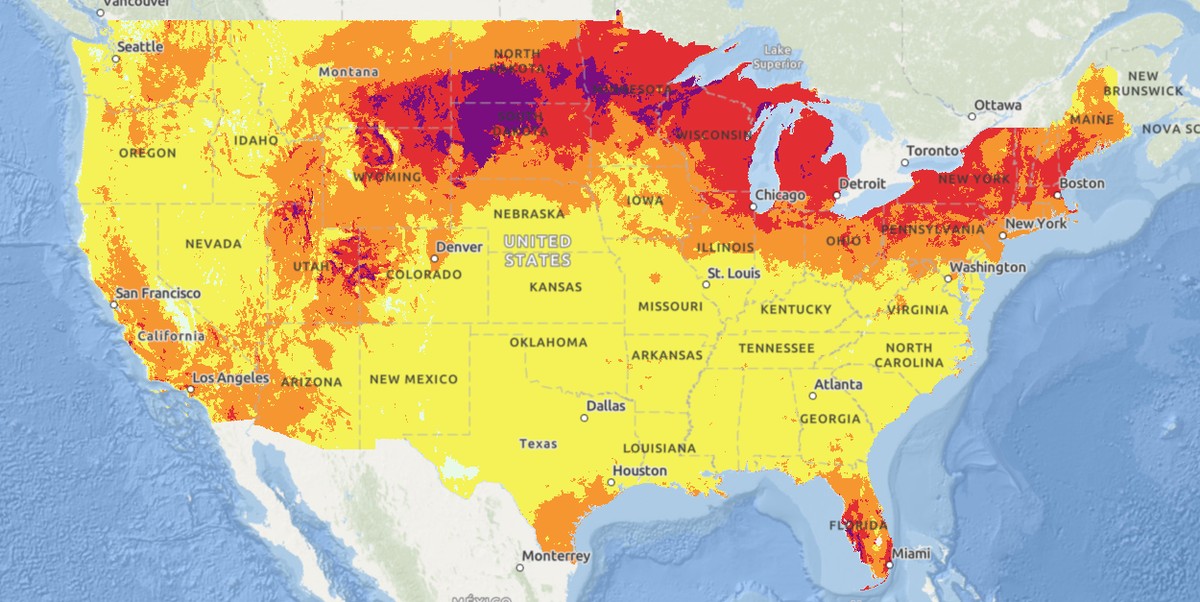
The numbers don’t lie. Billings hit 111 degrees on Sunday. Salt Lake City and Sheridan? 109. Idaho Falls sat at 103. The National Weather Service calls this “unprecedented” or at least very rare for those spots. Frank Pereira from the NWS puts it simply, the heat just isn’t letting go.
It’s called a heat dome. High pressure in the sky acts like a lid on a pot. Boiling water stays hot underneath. You can’t escape the heat. It builds all day and holds its breath at night. Now the dome is moving east. Look toward the Midwest, the Northeast, even Boston. Records are likely to shatter there, too.
This isn’t just a U.S. problem. Look global. France recorded its hottest average ever, thousands died in Europe, and New York City hit 100 in Central Park for the first time in a decade. Asia and the Middle East? Scorching, too.
Why now? Zachary Labe at Climate Central says climate change is the culprit. Heat domes aren’t new but the intensity is abnormal. We have so many of them in the Northern Hemisphere they’re basically blending together. Hard to track when everything melts into one big oven. Labe says we expected this, more intense waves, every single summer going forward.
Is there any hope that it stops?
Friederike Otto of World Weather Attribution notes that human-induced warming increases both the likelihood of these events and the temperatures they bring. We’re seeing back-to-back heat waves in every region. The science is clear on the frequency but less certain on the drivers, Labe admits. El Niño plays a part, maybe. Researchers are trying to pinpoint why specific domes form where they do.
Until the science catches up, the advice remains stubbornly practical. World Health Organization says drink water, stay out of the sun, check on elderly neighbors. Do not leave kids or pets in cars. Vehicles heat up faster than you think.
Some relief is coming for Americans. The heat dome is moving. A cold front might pull temperatures back from record-breaking levels to merely above normal. For now? We take what we can get.