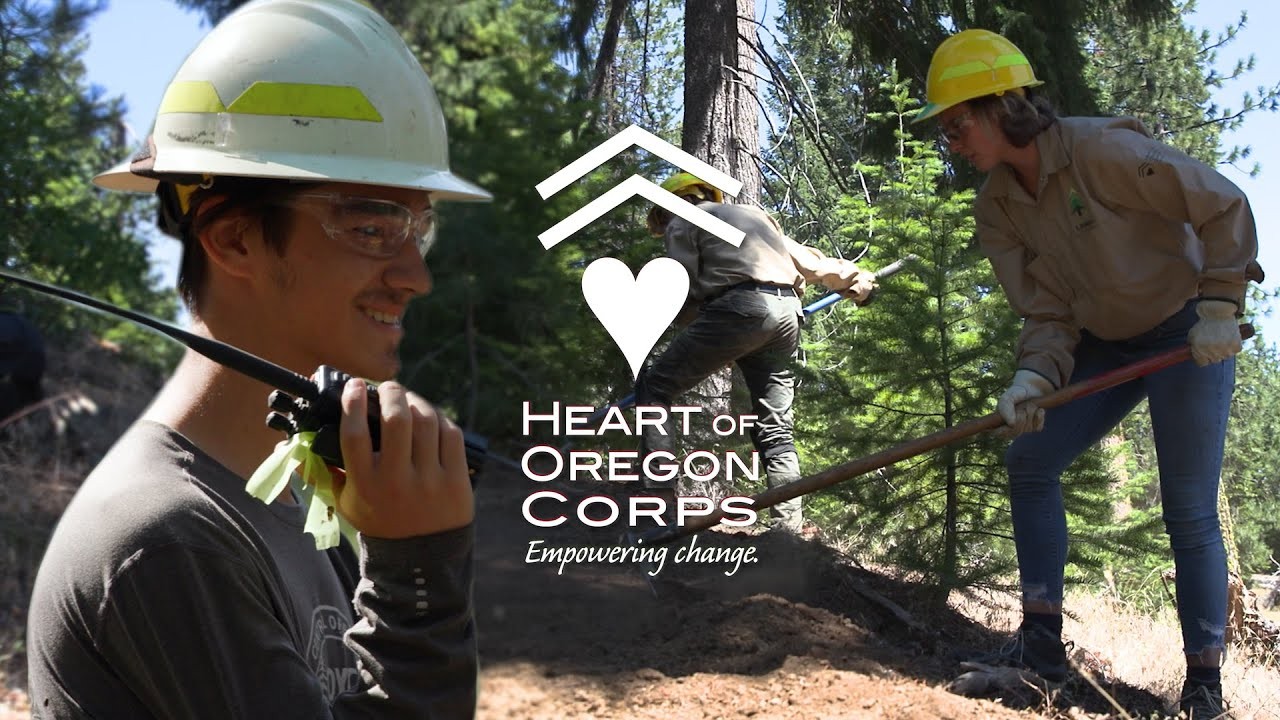
Most people talk about youth development. They write reports. They build silos. Heart of Oregon Corps just did the work.
“Grab your coat, let’s go for the walk.”
That used to be the script for private conversations between staff and at-risk youth in Central Oregon. No offices. No walls. Just a walk around the corner while discussing life’s messiest parts. That ends soon. The new campus in Redmond has shower stalls. Laundry rooms. Real doors. Privacy, finally, on a permanent lease.
Laura Handy joined in 2006. She knew the dirt. Mentored kids in detention. Ran domestic violence shelter programs. Outdoor leadership stuff. When she became Executive Director in 2012, the org was growing fast. Fast enough to need roots. Now she leads the push for infrastructure that actually holds people together. Not just metaphorically.
Who are these people?
Start with “The Three Ds.” Dan Saraceno. Dennis Maloney. Dave Holmes. 2000.
They were tired. Tired of youth cycling through punishment. Tired of dead-end jobs. They wanted a different way. Dan was a counselor fighting for alternative pathways. Dennis ran Juvenile Justice. He liked restorative practices. Dave? He was an Army Sergeant Major who had been on the other side of the system. Court-involved. He knew what failure looked like. So they built something that didn’t fail.
The Numbers
225 young people engaged yearly.
Over $1 million in wages and stipends handed out.
$125,000 in AmeriCorps education benefits.
5,000+ young people served since 2000.
It is not charity. It is an ecosystem.
Jobs Over Judgment
They launched YouthBuild in 2010. A $1.1 million grant changed everything.
HOC became a licensed construction contractor. Not a fake one. Real.
Look at 2024.
74 percent of YouthBuild members got pre-apprentice certs.
79 percent earned their OSHA 10 cards.
17 kids got their high school diploma or GED.
Did they build a house? Sure. They did a BlitzBuild. One day. Five sleeping shelters built by three different program teams from out of state working together. Concrete sweat.
Jacob B didn’t see his own path. He says HOC pulled him up when everyone else wrote him off. He graduated a year early. He works for Sunlight Solar now. But he says the skills aren’t the point. It’s the time. Time spent making the place better. That changes a person.
It isn’t just walls.
In 2022 they started a Child and Youth Development track with Sisters Parks and Rec. Since then, 16 members have got certified to care for kids. Jackie couldn’t have earned her diploma without the support. No judgment there. Just belief.
Who gets belief without a safety net?
How It Grew (The Messy Part)
It wasn’t a straight line.
- 1998 : The D’s meet. Ask the right question. What if we gave youth real work instead of jail?
- 2000 : HOC launches. 99 kids enroll in year one.
- 2001 : Partner with Forest Service. 21 summer crews.
- 2003 : Hired more than 500 young people. The market said yes.
- 2007 : Created the Employer Advisory Council. Two meetings a year. Low lift for bosses. High impact for kids. Knife River got involved. Mount Bachelor followed.
- 2008-2012 : The recession hit. HOC grew anyway. Why? Because they turned federal dollars into wages. Agencies asked, “Can you hire more?” They always said yes.
- 2009 : YouthBuild launches. Housing. Trades. Real contracts.
- 2012 : Dave retires. Laura takes over. Thrift store opens in Madras. Training for disabled youth. Inclusion isn’t a slogan; it’s a floor plan.
- 2014 : Built the 20th affordable home. (Now it is 40-plus).
- 2015 : Camp LEAD. Short-term boost for youth with disabilities. Build confidence. Then jump into integrated crews.
- 2016 : Crossed the $1M mark in scholarships awarded.
- 2017 : Fleet for the Future campaign raised half a million for better vans. Crews needed to move.
- 2019 : Data initiative launched. Hire and train 300 a year. Pay $700k+ in wages.
- 2020 : The pandemic came. They didn’t close. Rented a warehouse. Spread out. Kept working.
- 2025 : 25th anniversary. New campus ground-breaking. 5,000 kids served.
Why This Matters
You need trust. Time. And the ability to turn ideas into actual things.
Most organizations want credit. HOC wants capacity. They connect K-12 schools to public land agencies to workforce boards to local bosses. They weave the web.
They don’t just build trails. They build pathways.
For a while, youth were assets no one wanted. HOC decided otherwise. They pay them. They mentor them. They let them fail forward.
The campus opens next year. It has laundry. Showers. Offices with doors.
Maybe that is the whole secret. Not just giving work. Giving a place to land. A room with a lock. A reason to stay.
What happens when a community decides that belonging is a job requirement?
We are finding out.