The numbers look rough.
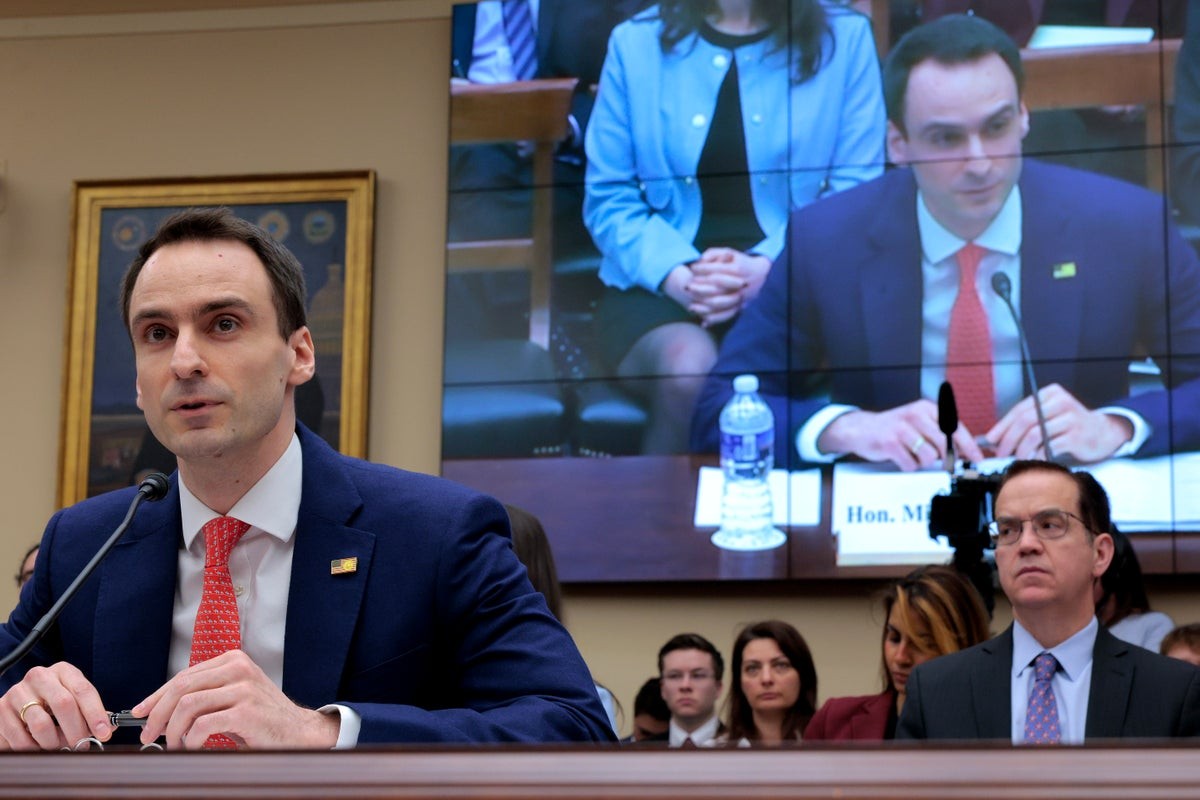
Overall federal funding for scientific research is slated to drop in 2027. Michael Kratsios, the White House science and technology adviser, laid this out plainly on Wednesday before the House Committee on Science, Space, or Technology. The broader budget picture isn’t pretty.
But there is a massive exception.
The government has committed $5 billion specifically to drive artificial intelligence in scientific research. This money won’t vanish into the ether. It flows from the National Science Foundation (NSF), NASA, and other federal agencies. The target is precise: building what Kratsios called “the premier AI for science ecosystem in which” the U.S. dominates globally.
What the $5 Billion AI Science Budget Covers
This isn’t just a vague promise. The funding gets directed toward specific buckets. Think specialized scientific datasets, new research facilities, and dedicated funding opportunities for awards that leverage machine learning.
It clarifies the “Genesis Mission.” Announced last November, that initiative aimed to cement U.S. dominance in AI. Back then, the budget was undefined. Now, the administration is putting cash behind the rhetoric.
The focus is on government-run science agencies. NASA and the Department of Energy are prime targets for this AI infusion. Kratsios also dropped a hint about wanting to fund a “scientifically relevant quantum computer.” Ambitious? Sure. But the intent is clear.
Why NSF Grants Are Under Fire
While the AI news dominates headlines, the hearing got messy.
Lawmakers pressed Kratsios on major cuts to NSF grants under the current administration. Nearly $1 billion in grants have been held up. There are huge discrepancies between planned spending for 2026 and actual allocations.
Kratsios claimed ignorance on the specifics.
His defense? The NSF needs to be “more deliberative” about what gets funded. It’s a bureaucratic shuffle, but one with real consequences for researchers waiting on lifelines.
The real friction point, though, is a proposed change to grant award regulations.
How Peer Review Changes Threaten Science
Here is the core issue: political appointees would choose which research proposals get federal funding. Peer reviewers would step aside.
Thousands of scientists are furious. Nobel laureates included.
The criticism is widespread because it strikes at the heart of scientific meritocracy. If politics drives funding, basic science suffers. Kratsios argues the shift is necessary. He cites a “real decline” in grants that pursue “groundbreaking or out-of-the-box type ideas.”
He insists awards will remain merit-based.
Does that reassure the thousands who signed petitions? Probably not.
The $5 billion AI pledge is shiny. It promises future dominance. But the underlying structure of how science gets funded is being rewritten. Peer review is on the chopping block. The AI budget might buy supercomputers and datasets.
But it doesn’t fix the trust deficit.
“The NSF must be more deliberative on what research receives funding.”
We’ll see if the money lands where it’s promised. The rest remains uncertain.