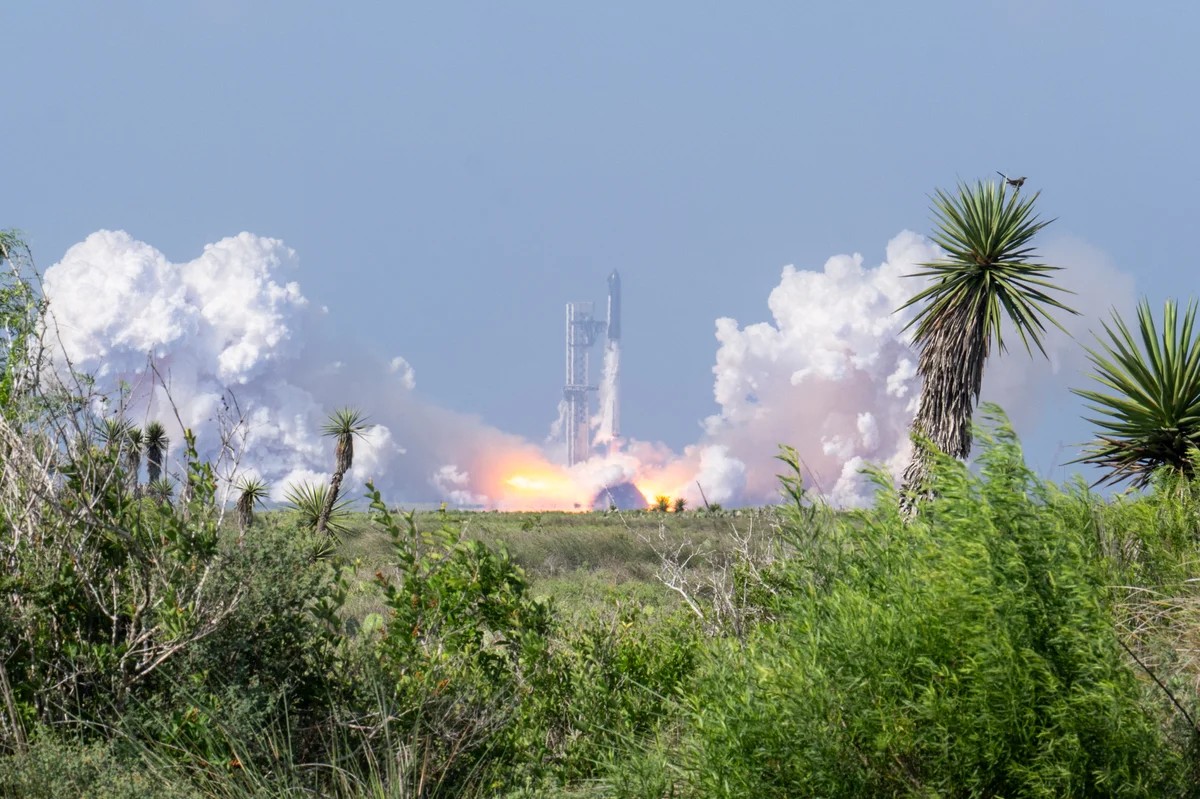
Environmental groups are taking the U.S. government to court to stop a controversial land swap with SpaceX. The deal would hand over hundreds of acres in a South Texas wildlife refuge. In return, the space company would provide a slightly smaller parcel of private land nearby.
If approved, conservationists argue the move violates federal law. They say it will destroy habitats for endangered ocelots and other species in the Lower Rio Grande Valley National Wildlife Refugee. SpaceX faces serious accusations regarding its local operations. Critics cite “bright lights, loud noise, and vehicle activity” as disruptive. Occasional rocket explosions also send debris and shrapnel flying into surrounding areas.
The government sees it differently. The U.S. Fish and WildlifeService claims the exchange actually improves wildlife protection. They argue the swap creates more connected habitats.
The Specifics of the Texas Land Exchange
The numbers on the table are specific. Court records show the proposed swap involves 715 acres inside the refuge near SpaceX’s launch site, Starbase, Texas. SpaceX would give back 683 acres of its own land. This private parcel sits next to the Laguna Atascosa National Wildlife Refuge and falls within the Starbase boundary.
Conservation advocates filed the lawsuit last month. They are now asking a federal judge to pause the deal. This request came just days before SpaceX’s expected Starship Flight 14. The massive, 408-foot rocket is slated for launch. The timing is tight. The government and SpaceX have until August 10 to respond. The judge won’t decide on a hearing until late August or early September.
Why Public Lands Are at Stake
Marc Fink, director of the Public Lands law Center at the Center for Biological Diversityone of the plaintiffs in this case, warns of permanent damage.
“SpaceX has caused the loss of the loss of access to public lands because of rocket launches like this one,” he says. “If this land exchange goes through, we see the permanent loss of access to more than 700 cherished national wildlife refuge and a national historical landmark,” he adds.
Palmito Ranch Battlefield is a Civil War site and a National Historic Land. It is part of the land being swapped. Fink argues these areas were acquired by the government to protect wildlife. They should not serve the ambitions of a billionaire who wants to go to MARS.
The stakes involve more than just dirt. This is about who controls access to public spaces. Is it the public? Or private enterprise? The groups fear that once the land changes hands, the public loses out forever.
What Happens Next
The Department of Justice refused to comment. SpaceX did not immediately respond to requests for comment from Scientific American. Meanwhile, the legal battle proceeds. The plaintiffs hope to stop the clock until the court makes a decision. They want the deal paused. The government wants the land swap approved.
Both sides are waiting. The judge will eventually weigh in. Until then, the refuge remains a contested zone. SpaceX continues testing its rockets nearby. The noise carries across the valley. The question isn’t just about acres. It’s about precedent. If this swap holds, what does it say about federal protections?