Another day. Another reminder that the planet is bigger than we thought.
New research surfaces out of China, detailing dozens of insect species nobody knew existed until now.
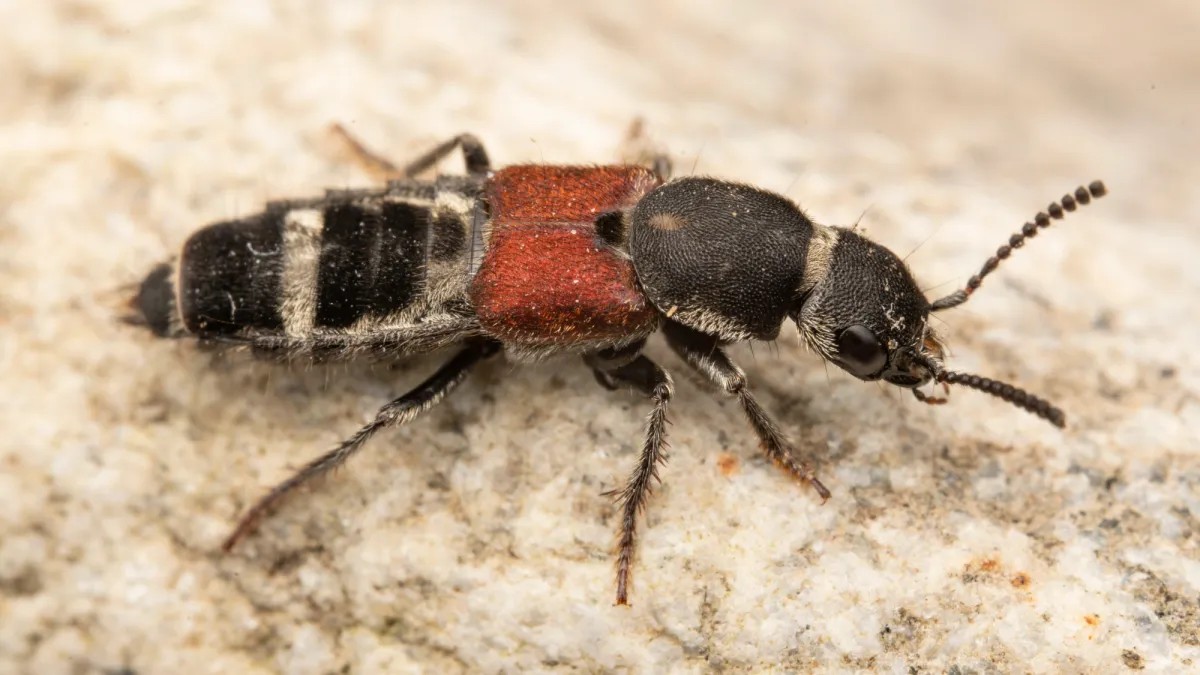
The team focused on Platydracus. Flat dragon beetles. Rove beetles, to be specific. The first time researchers have ever properly reviewed this genus in China, and the result was messy. Or maybe just rich. They logged over 100 species total. Most of them were brand new to science.
Here’s the thing. We usually think overlooked creatures are small, boring things. Tiny worms hiding under rocks. Not these.
These beetles are big. Several centimeters long. Bright colors. Some mimic wasps. You would think they’d stand out. But they didn’t. Many went completely unseen in the wild. Others sat in museum jars for years, unlabeled and forgotten.
Alexey Solodovnikov from the University of Copenhagen led the study. Published recently in Insect Systematics and Diversity, his words hit hard:
“It is striking that so many new species canremain hidden among large and colourful beetles.”
It’s the Linnean shortfall. That gap between what we’ve named and what actually lives on Earth. It’s wider than people admit.
Take rove beetles specifically. They belong to Staphylinidae. Roughly 70,000 described species. Maybe 25% of what’s really there. Zoom out further. We’ve named about 925,090 insect species globally. Shockingly low. The estimate for total insect life sits above five million. We are flying blind on most of it.
The team had to clean up old mistakes. Taxonomists used to work with very few specimens. Just enough to slap a label on something and move on. Solodovnikov’s team used DNA barcoding alongside physical exams.
The results confused expectations. Sometimes different-looking beetles had the exact same DNA markers. Other times, nearly identical beetles carried different genetic codes. Nature doesn’t follow the rulebook.
What is left to discover.