The MV Hondius. It’s not supposed to end this way.
Three dead. At least eight sick.
They were cruising the Atlantic from Argentina when Andes virus hit. A hantavirus. Rare. Dangerous. Officials don’t know where it started exactly but they have a suspect. It’s small. Furry.
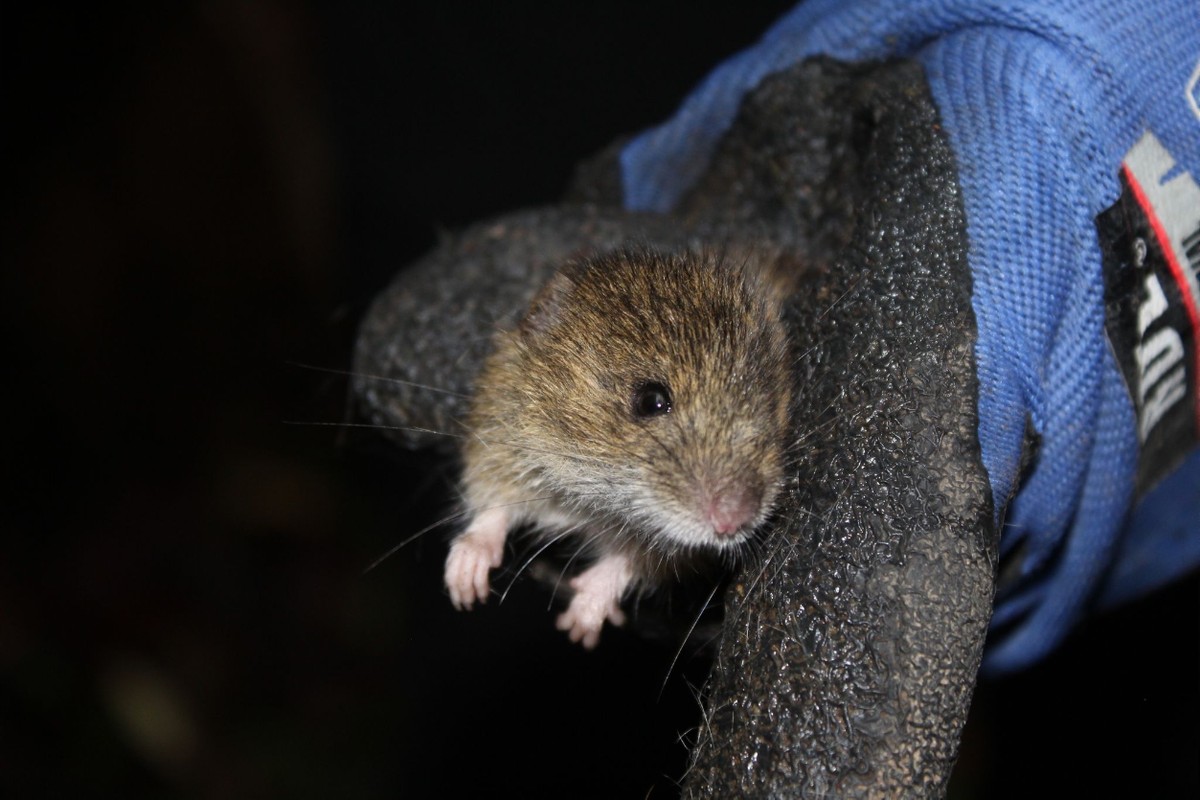
The long-tailed pygmy rice鼠.
In some pockets of South America, nearly 10% of these rats carry the bug. You get infected by breathing in the dried urine. The feces. Saliva particles. It’s grim. Andes is the only hantavirus that jumps between humans too. That changes the math.
“We need more research understanding hantu virus in the wild.”
— Luis Escobar
Fatality rates? Scary high. The WHO says up to 50% for HPS cases. Panic sets in fast even though U.S. officials insist the public risk stays low right now. The question isn’t just who died but how did it get there.
Epidemiologists want DNA from the rodents. Sequences matter. Maria Van Kerkhove, at the WHO press conference, made it clear: trace the genome, prevent the next spillover.
Theory says it started with a Dutch couple. They fell ill. Then died. In April. Maybe they visited rice rat country before boarding the ship.
Here is the problem.
We barely know the beast. Most studies are reactive. A breakout happens then we scramble to look backward. Luis Escobar, at Virginia Tech, calls it a habit of failure.
But let’s talk about the rat itself. Oligoryzomys longicaud.
Tiny. Think AAA battery size. Sometimes bigger. It survives anywhere. Forests. Grasslands. Right next to your rural house door. Ecological generalist. Thrive. Multiply.
Is it the main reservoir? Likely yes.
Other South American rats can carry it though. The 2018 studies showed southern big-eared mice, long-haired grass mice, olive grass mice—they are carriers too. We just don’t know why the rice鼠 fits so perfectly. Behavior? Biology? Pure luck?
It’s been this way for millennia. Co-evolution. The virus lives in the rat. It doesn’t kill them. (Hamsters? Not so lucky. They get sick. We are less lucky still.)
Climate change twists the knot.
Heat. Rain. “Ratadas.”
Boom cycles. Mouse populations explode with wet weather. They move up. Toward higher elevations. Toward us. Fernando Torres Pérez sees the map shifting. Contact increases. Risk follows.
We track the damage. Not the source.
If we only look when the body bags come out, we miss the baseline. The quiet before the storm. The ingredients needed for a spillover event. We are guessing.