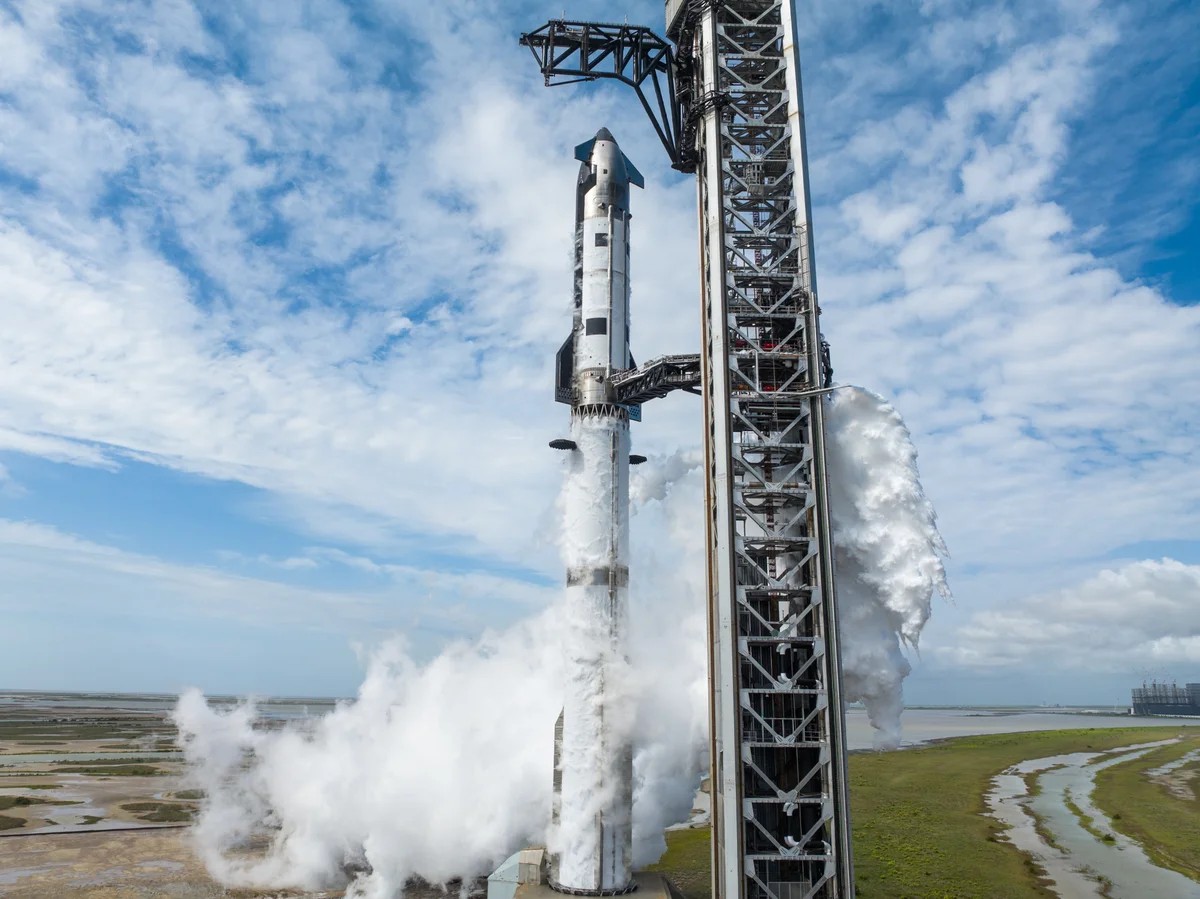
SpaceX has successfully completed a full launch rehearsal for the next iteration of its Starship megarocket, clearing a significant hurdle ahead of an anticipated test flight scheduled for as early as May 19. This event marks the debut of Version 3 (V3) of the Super Heavy booster, representing a major milestone in the company’s ongoing effort to perfect a fully reusable heavy-lift launch system.
A Heavy Lift for a Heavy Rocket
The Starship vehicle stands approximately 124 meters (407 feet) tall and is engineered to carry up to 150 metric tons of payload into orbit when operating in its fully reusable configuration. During the rehearsal on Monday, SpaceX confirmed that the rocket was successfully filled with more than 5,000 metric tons of propellant.
Filling a rocket of this magnitude is not merely a logistical task; it is a rigorous structural test. The sheer weight of the liquid oxygen and methane propellants places immense stress on the vehicle’s tanks and engines, simulating the physical conditions of an actual launch. Successfully holding this load without leaks or structural failure validates the integrity of the V3 hardware before any ignition occurs.
The Stakes Behind the 12th Flight
While this will be Starship’s 12th integrated test flight, the context has shifted significantly from earlier attempts. Although the two most recent flights were deemed successes, the vehicle’s development history is punctuated by dramatic failures, including fiery explosions that delayed progress and pushed timelines back.
The pressure on SpaceX to demonstrate consistent reliability is intensifying for three primary reasons:
- Financial Pressure: With a potential initial public offering (IPO) on the horizon, investors are closely watching Starship’s ability to scale. Consistent, successful launches are crucial for maintaining valuation and market confidence.
- Starlink Expansion: Starship is designed to rapidly deploy new generations of satellites for SpaceX’s Starlink internet constellation. This service is a major profit driver for the company, and Starship’s reusability is key to lowering the cost of deployment.
- New Commercial Ventures: SpaceX is expanding its ambitions beyond communications, including plans to launch and operate artificial intelligence data centers in orbit. These high-value payloads require a reliable, heavy-lift launch vehicle that can deliver substantial mass to space.
What Comes Next?
The successful rehearsal suggests that the V3 booster and Starship upper stage are mechanically ready for flight. If weather conditions and regulatory approvals align, the launch window around May 19 represents the first chance to see this upgraded configuration perform under flight conditions.
Key Takeaway: This test is not just about getting a rocket off the ground; it is about proving that SpaceX can scale its most ambitious vehicle to meet the growing commercial and financial demands of its broader ecosystem.
The outcome of this 12th test will serve as a critical indicator of whether Starship is transitioning from a developmental prototype to a operational workhorse capable of supporting SpaceX’s next phase of growth.