Summer, 80 CE. Emperor Titus opens the Flavian Amphitheater—the Colosseum—to the public. The spectacle included women dressed as the goddess Diana. They held spears. They hunted boars. Or so the writers of the day claimed.
For centuries, historians wondered if these venatrices —female beast hunters—actually existed or if they were just mythological propaganda. Skeptics argued they might be rare novelties, one-off curiosities rather than a structured tradition. Written records are scarce. Ceramic art hints at female gladiators, sure. Convicts were certainly fed to lions and bears, but those women were victims, not fighters. The line between spectacle and slaughter is thin.
Then comes the proof. Not in text. In stone.
A Mosaic in Pieces
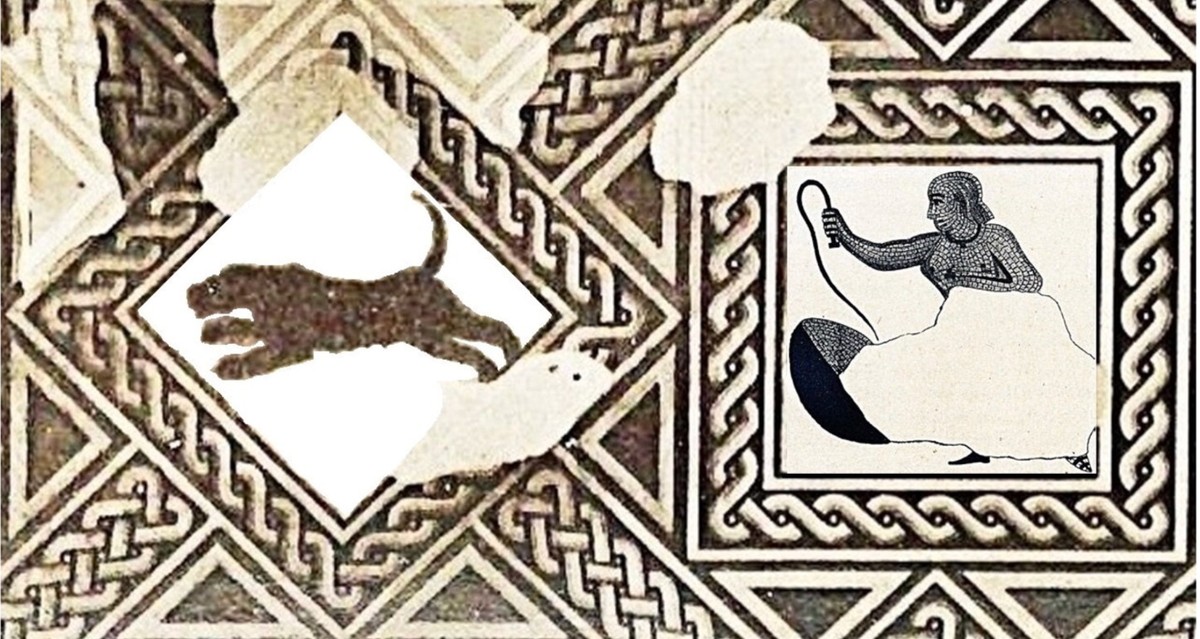
The evidence hides in fragments of a large third-century mosaic originally from Reims, France. Jean Charles Loriquet rediscovered it in 1860. World War I bombings in 1917 mostly destroyed it. A tragic loss, mostly. But not entirely.
Only one panel survived physically. Loriquet left behind detailed drawings of the rest before they vanished. Those sketches matter. One particular panel, now gone, depicted a figure holding a whip and what looked like a dagger. Or a cloth. The details are fuzzy.
Here is the rub: Loriquet’s notes were curiously vague. He used gender-neutral terms. He didn’t mention the most obvious physical trait. He missed that the figure was topless.
This oversight matters because two other figures in the mosaic are clearly men. Bearded. Flatter-chested. Holding whips. The anonymous figure was the only one without a chest covering. An artistic choice? Probably. A deliberate signal to the viewer about who was standing there? Absolutely.
Seeing What Others Missed
Alfonso Manas, a sports historian, looked at the drawings and stopped. “I immediately realized she was a woman.”
Manas isn’t guessing. He’s connecting the visual data with historical text. The woman’s gear matches the accounts of a venatrix. She holds a whip, likely herding a leopard. Next to her stands a venator —a male beast hunter—armed and ready to strike. It was a coordinated effort. A choreographed kill.
“This is the first known visual deposition of a woman fighting beasts in the Rome arena.”
That’s Manas’s conclusion. She wasn’t just present. She was participating as an equal component of the hunt.
Why It Matters
Michael Carter, a historian not involved in the study, called it excellent detective work. There’s a deeper implication here, one that changes how we view Roman society’s obsession with violence and gender.
She wasn’t a victim condemned to damnatio ad bestias —that’s where prisoners get eaten. She was honored. Trained. Respected. A wealthy patron paid for her likeness in a permanent art piece. You don’t memorialize someone you pitied.
“The fact that a rich man ordered this woman to appear in the mosaic shows great admiration from the spectators.”
So why did they stop?
Female gladiators—the ones fighting each other with swords and nets—died out early. The crowd got bored, or the Church stepped in, or maybe society grew uncomfortable. But beast hunters lasted longer. Decades, possibly a century more. The public appetite for this specific flavor of danger never faded.
Women were better at hunting than we thought. Maybe that’s the lesson. Or maybe it’s just that Roman crowds wanted blood, regardless of gender. The mosaics crumbled. The emperors fell.
But the hunters? They were there. Real enough to leave a trace.