


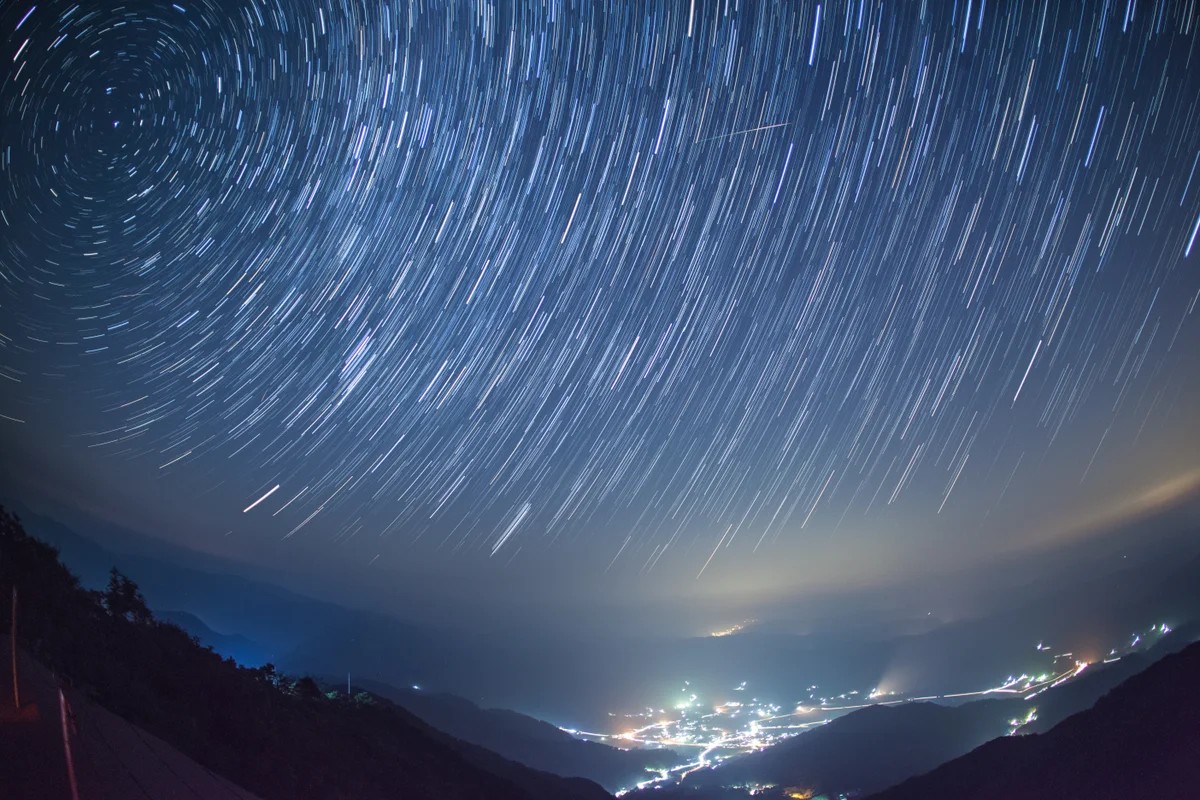
NASA calls the Perseids the best meteor shower. Maybe they’re biased. Or maybe they’ve seen better things. This annual light show doesn’t hold back. Bright meteors slash through the dark sky. Occasionally you get a fireball. Sometimes dozens of them. It is chaotic and bright.
This year it gets weird. The peak of the shower coincides with a total solar eclipse. The timing is accidental, obviously. The moon does not care about comet debris. But when they overlap the result is a rare kind of spectacle.
Shower mechanics are simple. Earth plows through dust left behind by a comet or asteroid. The Perseids come from comet 109P/Switz-Tuttle. It is a monster of ice and rock, spanning about 16 miles. That size explains the intensity. Earth hits this debris stream every single orbit. The dust burns up. We call the fire meteors.
Don’t expect a party in your backyard unless you live very far north.
The window opens in mid-July. It closes in late August. The heavy hitters arrive around August 12 and 13. If you are patient. And your sky is clear. You might spot 50 meteors in an hour. Some sources say even more. The numbers fluctuate with clouds and city lights.
But the date matters for another reason. August 12 hosts the total solar eclipse. The moon moves directly between Earth and the sun. A shadow sweeps across the globe. Day becomes night. Briefly. For just a few minutes in certain places the sun vanishes entirely.
So here is the kicker. In those narrow paths of totality you can watch two cosmic events at once. The darkness from the eclipse mimics nighttime conditions. Perfect for seeing stars. If you are lucky enough to be under that shadow. You might catch the Perseids raining down during the eclipse itself. Two minutes of black sky. Meteors streaking through it.
It’s a niche crowd. Only parts of Greenland see this. Iceland. Portugal. Russia. Spain. You need to plan your trip around celestial geometry. Or just wait for the moon to leave and watch the shower later. The sky doesn’t care if you miss the overlap.
Do you think we’ll ever schedule these things for convenience? No. The universe has its own clock.
If you’re stuck inland with streetlights everywhere. Forget it. The light pollution will hide the faint stuff. Drive until the towns fade away. Wait until 2 a.m. When the world finally quiets down. The best shows happen in the silence. Not in the noise.
And if you’re in that eclipse path. Wear proper glasses until the last second. Then take them off. And look up. The shadow passes fast. But the memories might last


