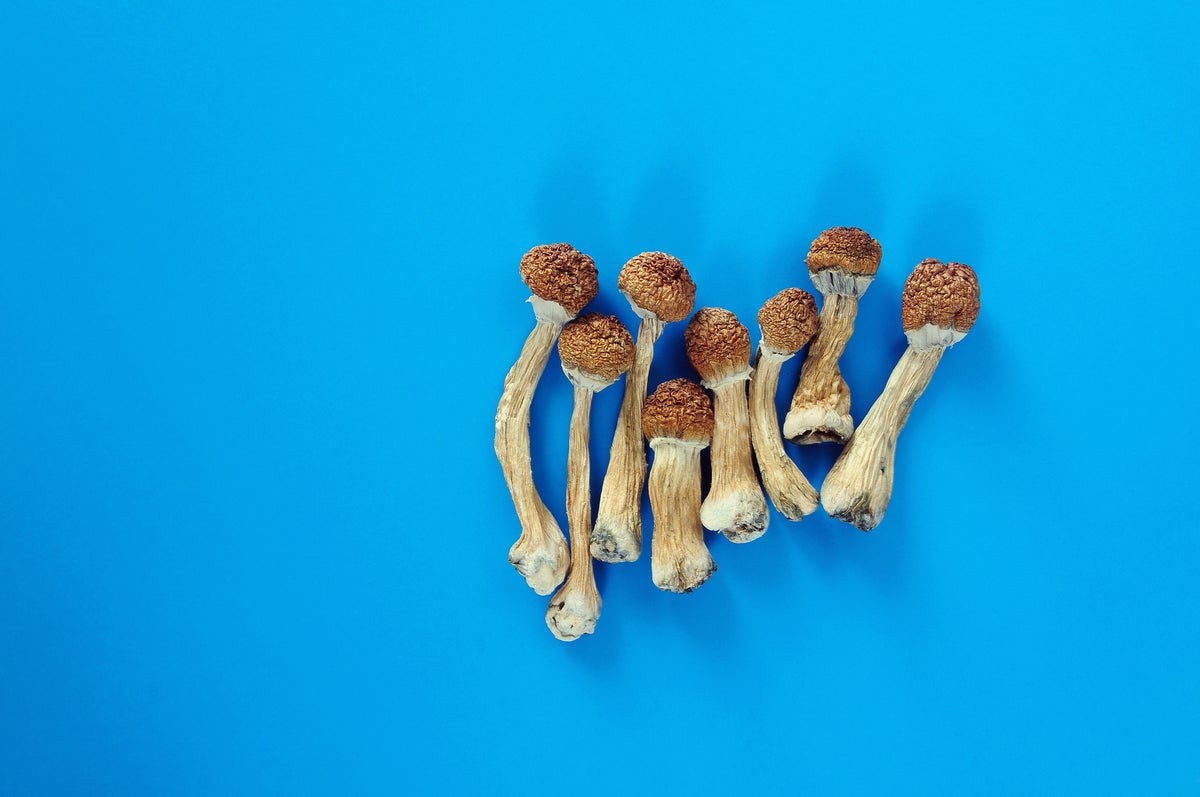
Public opinion in the United States is shifting significantly toward the medical use of psychedelics. A new survey reveals that a majority of voters now support removing barriers to scientific research on substances like psilocybin and MDMA, while nearly half favor legalizing these compounds for therapeutic purposes. This growing acceptance marks a notable departure from previous years, suggesting that the cultural and political landscape is preparing for a potential regulatory overhaul.
A Rapid Shift in Voter Sentiment
The data comes from a poll conducted by the U.C. Berkeley Center for the Science of Psychedelics (BCSP) in April 2025, which surveyed more than 1,500 U.S. voters. The results indicate a rapid acceleration in public support over just two years:
- Support for Research: 63 percent of respondents said they “strongly support” lowering barriers to studying psychedelics. This is a substantial increase from 49 percent in 2023.
- Therapeutic Legalization: 46 percent of voters now strongly support legalizing psychedelics for medical use, up from 36 percent in 2023.
- Prescription Access: Support for making these substances available via prescription rose to 41 percent, compared to 29 percent in the previous survey.
Despite this surge in support for medical and scientific applications, support for broader decriminalization has remained relatively stagnant at around 28 percent. This distinction highlights a nuanced public view: voters are increasingly comfortable with controlled, medical frameworks but remain hesitant about broad legal changes that might remove oversight entirely. Currently, the possession of psychedelics such as LSD, MDMA, and psilocybin remains illegal at the federal level in the U.S.
Understanding the Nuance
Experts suggest that this shift reflects a broader “increasing public acceptance” of psychedelic treatments, according to Mason Marks, a senior fellow at Harvard Law School’s Petrie-Flom Center. However, Marks cautions that terms like “decriminalization” and “therapeutic use” can carry different meanings for different people. Further research is needed to understand the specific motivations behind these answers, as public support may be driven by a desire for medical relief rather than a general libertarian stance on drug policy.
Tyrone Sgambati, a co-author of the report and postdoctoral research scientist at BCSP, notes that the public is being “flooded with information” about psychedelics. This influx of data appears to be sparking curiosity and a desire to understand the purported benefits of these substances. Yet, Sgambati points out that the flatline on decriminalization support suggests a lingering caution; while Americans are eager for medical access, they do not necessarily want to see these drugs fully removed from legal regulation.
Policy and Public Opinion Align
The survey’s findings arrive at a pivotal moment in U.S. policy. In April, President Donald Trump signed an executive order aimed at boosting research on psychedelic therapies. This order is designed to lower regulatory hurdles for studying psilocybin, MDMA, ibogaine, and other compounds.
Although the survey was conducted prior to the executive order, the results indicate that public appetite had already been building in the same direction as the new policy. The alignment between voter sentiment and federal action suggests that the groundwork is being laid for a more open era of psychedelic science and medicine.
Key Takeaway: The growing support for psychedelic research and therapy reflects a maturing public discourse. Americans are increasingly distinguishing between recreational use and medical application, paving the way for potential legal reforms that prioritize scientific inquiry and patient access.