For over 175 years, the fate of Sir John Franklin’s lost Arctic expedition has been shrouded in mystery. While the tragedy of the HMS Erebus and HMS Terror is well-documented, the individual stories of the 129 men who perished remained largely anonymous. Now, groundbreaking genetic research has brought four of these sailors back from historical obscurity, identifying them by name for the first time.
The Tragedy Unfolds
The Franklin Expedition, launched in 1845, was a high-profile British naval mission aimed at charting the Northwest Passage—an elusive ice-free route connecting the Atlantic and Pacific Oceans through the Canadian Arctic. Armed with two heavily reinforced iron-plated ships equipped with steam engines and ample provisions, the fleet set sail with confidence.
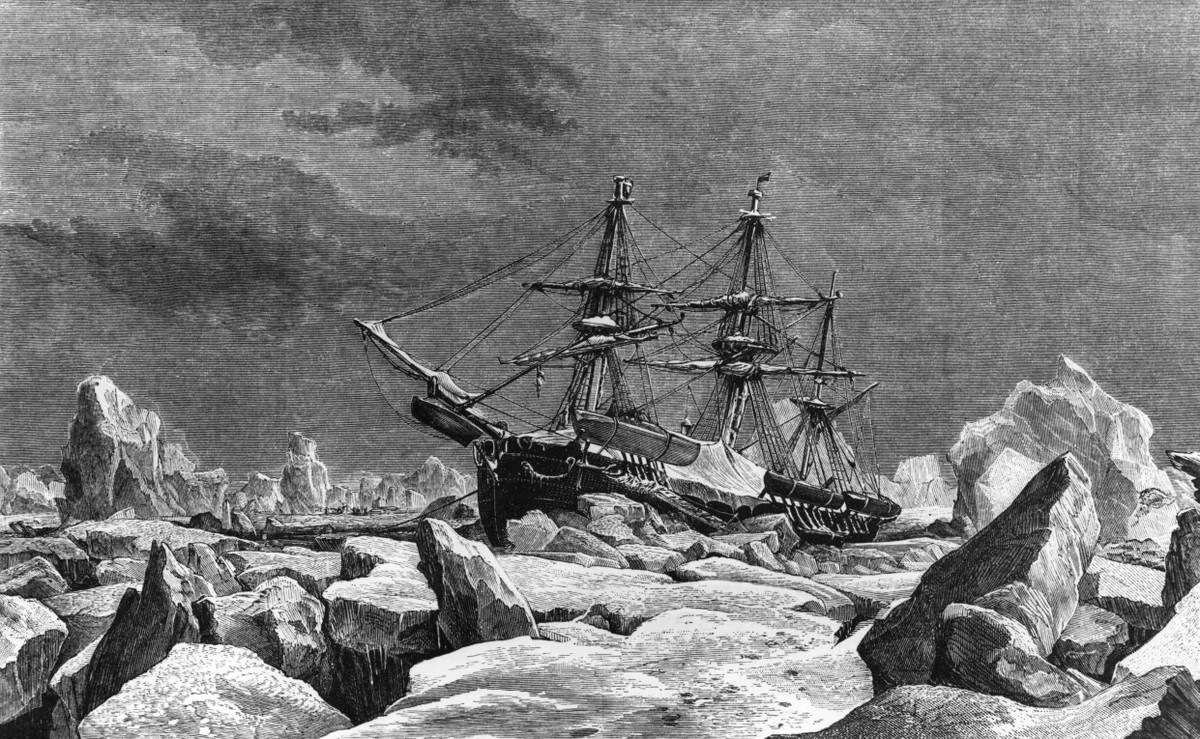
However, the Arctic proved unforgiving. By late 1846, both vessels were trapped in pack ice off King William Island. As winter after winter passed, supplies dwindled and health deteriorated. By April 1848, Franklin and 23 other crew members had died. In a desperate final attempt to survive, the remaining 105 men abandoned their ships and marched south across the sea ice toward the Canadian mainland.
The outcome was catastrophic. Facing temperatures that likely plummeted to -30°C (-22°F), the crew—already weakened by scurvy, lead poisoning from canned food, and exhaustion—perished en masse.
“It must have been horrible,” says Douglas Stenton, an archaeologist at the University of Waterloo. “These men were not healthy after three years in the Arctic.”
Names Restored Through Science
In a new study published in the Journal of Archaeological Science: Reports, lead author Catherine Denton and her team successfully identified three sailors whose remains were found on King William Island. By comparing DNA extracted from the skeletal remains with that of living descendants, they confirmed the identities of:
- William Orren, an able seaman;
- David Young, a 17-year-old first-class boy seaman who had signed up in London; and
- John Bridgens, a subordinate officers’ steward.
All three had served on the HMS Erebus.
In a separate forthcoming study in Polar Record, the team identified a fourth sailor, Harry Peglar, who had sailed on the HMS Terror. His remains were discovered farther south than the others, suggesting he may have traveled further in the desperate march before succumbing to the elements.
Why This Matters
The identification of these individuals does more than update a historical ledger; it humanizes a national tragedy. For decades, the Franklin Expedition was viewed as a monolithic failure—a story of ships and ice. Now, it is also a story of specific lives: a teenager like David Young, far from home, and seasoned sailors like Orren and Peglar.
This genetic breakthrough builds on previous efforts that identified two other crew members, bringing the total number of positively identified sailors to six out of the at least 23 sets of remains discovered so far. Each identification offers archaeologists and historians a clearer picture of the crew’s demographics, health, and final movements, helping to reconstruct the harrowing timeline of their demise.
Conclusion
The use of DNA technology has transformed the study of the Franklin Expedition from a search for artifacts into a recovery of identities. By naming the dead, researchers are not only honoring their memory but also providing critical context to one of the most famous maritime disasters in history.