


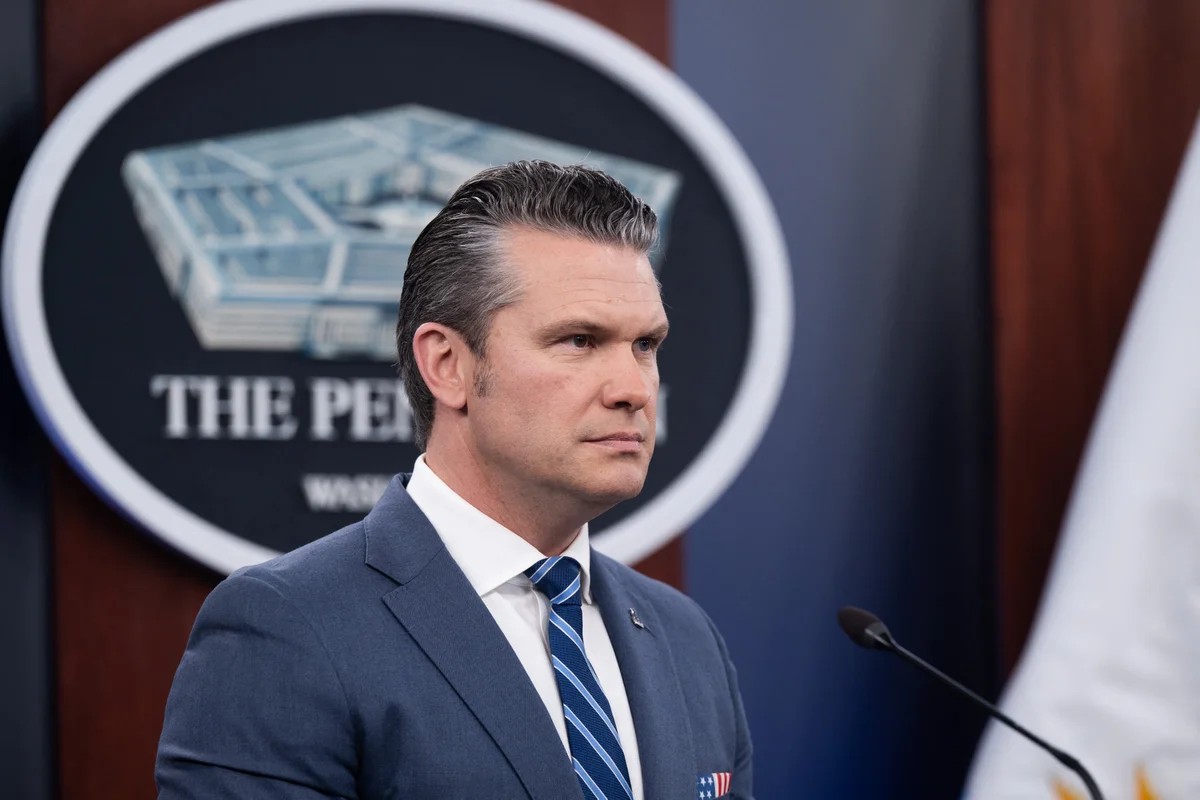
Secretary of Defense Pete Hegseth announced on Tuesday that the U.S. military will immediately cease requiring service members to receive annual influenza vaccinations. Describing the move as a way to “restore freedom” to the Joint Force, the decision has drawn sharp criticism from public health experts and military veterans who warn of potential risks to both individual health and national security.
A Shift in Policy
The new directive removes a long-standing mandate, effectively making the flu shot optional for all service members. This marks a significant departure from established military medical protocols, which have traditionally viewed mass vaccination as a vital component of maintaining a healthy, deployable force.
The Public Health Perspective
The decision stands in direct opposition to guidance from the Centers for Disease Control and Prevention (CDC), which recommends annual flu shots for almost all Americans over six months of age. The effectiveness of these vaccines is backed by significant data:
– During the 2024–2025 season, the CDC estimated that flu vaccines prevented approximately 180,000 hospitalizations.
– The vaccines are credited with saving an estimated 12,000 lives during that same period.
Epidemiologists, such as Brown University professor Jennifer Nuzzo, note that while the vaccine may not always prevent infection entirely, its primary value lies in its ability to reduce the severity of the illness and prevent hospitalizations.
Risks to “Force Protection” and Readiness
Beyond individual health, experts argue that the policy change could have systemic consequences for the military’s ability to operate effectively.
1. Operational Readiness
Military personnel often live and work in high-density, close-quarters environments—such as barracks, ships, and transport planes—where infectious diseases spread rapidly. Richard Ricciardi, a professor at George Washington University and a retired U.S. Army veteran, emphasized that vaccination is a matter of “force protection” rather than politics. A sudden spike in influenza cases could sideline large numbers of troops simultaneously, compromising mission readiness.
2. National Security and Global Impact
Experts suggest that the move is counterintuitive to the goal of maintaining a prepared force. Michael Osterholm, director of the Center for Infectious Disease Research and Policy, pointed out that the scientific data regarding vaccine safety and efficacy is “clear and compelling.”
Furthermore, history serves as a cautionary tale: during the 1918 pandemic, early outbreaks were linked to soldiers moving through military camps, illustrating how military movements can inadvertently accelerate the global spread of viruses.
3. Economic and Logistical Costs
A decrease in vaccination rates is expected to lead to:
– Higher rates of illness among service members.
– Increased healthcare costs for the U.S. government.
– Potential disruptions during periods of heightened global engagement.
Expert Reactions
The response from the medical community has been overwhelmingly critical. Georges Benjamin, CEO of the American Public Health Association, labeled the decision “irresponsible,” arguing that it undermines the medical readiness essential to military command.
“If fewer military personnel are vaccinated… it would likely mean more troops getting sick… which would compromise the battle readiness of our armed forces,” warns Professor Nuzzo.
Conclusion
By removing the flu vaccine mandate, the Department of Defense has prioritized individual autonomy over traditional public health protocols. However, this shift raises significant questions regarding the long-term impact on troop health, operational capacity, and the military’s ability to respond to global crises.


