Math isn’t just a subject. It is a language. You use it every single day. From buying groceries to deciding which bus to take. It shapes how kids solve problems. It builds their logic. But for many students? It is terrifying.
Or worse. Boring.
If a child dreads math class, the teacher isn’t necessarily failing. The delivery might be. The key lies in how you present the material. You have to bridge the gap between abstract numbers and real life. Here is how to make it click.
Make Them Understand the ‘Why’
Stop treating math as a set of arbitrary rules. Kids need to know why they are learning division or fractions. If they see the utility, the fear fades.
“Math is the language of the universe. Without it, we are just guessing.”
Explain that math helps them make better decisions. Show them the power in it. When a child sees the value, engagement follows. It is not about memorizing tables. It is about understanding the world.
Start small. Use money. Use time. Use cooking measurements. Connect the dots. Let them see the pattern. Once the purpose is clear, the anxiety drops. Confidence rises. The rest is just practice.
Math isn’t just about getting the right answer on a test. It’s a lifelong toolkit.
When kids learn math, they aren’t just memorizing formulas. They are learning how to break down complex problems. This skill stays with them long after they leave the classroom. It helps them adapt. It helps them grow.
Think about it. Life throws curveballs. Decisions need logic. Patterns need recognition. Math training builds that mental muscle. It prepares them for a future where change is the only constant.
2. How Math Builds Logical Thinking
You might think math is just digits and symbols. But it’s actually a framework for reasoning.
Math education develops logical thinking by teaching children to follow a sequence. Step one leads to step two. Cause leads to effect. There is a structure.
This logical foundation does more than help with arithmetic. It helps kids navigate life’s messier challenges. When they face a problem, they don’t panic. They analyze. They look for patterns. They test solutions.
“Math teaches children to think critically, not just calculate.”
Consider a simple shopping trip. A kid needs to buy three items with a limited budget. They have to compare prices. They have to subtract. They have to decide what’s essential. This is applied math. It’s real-world logic. It’s decision-making under constraints.
This type of training builds resilience. It shows kids that problems have solutions. That persistence pays off. That confusion is just the first step toward clarity.
Parents and educators can support this by encouraging questions. Ask why a method works. Ask if there’s another way to solve it. Don’t just accept the answer. Explore the process.
The goal isn’t perfection. The goal is understanding. When kids grasp the why behind the math, they gain confidence. That confidence spills over into other areas. Science. Language arts. Even social interactions. Logic helps in all of them.
So, don’t skip the basics. Don’t rush through the drills. Sit with them. Talk through the steps. Make it a conversation.
Because the numbers will fade. The logic will remain.
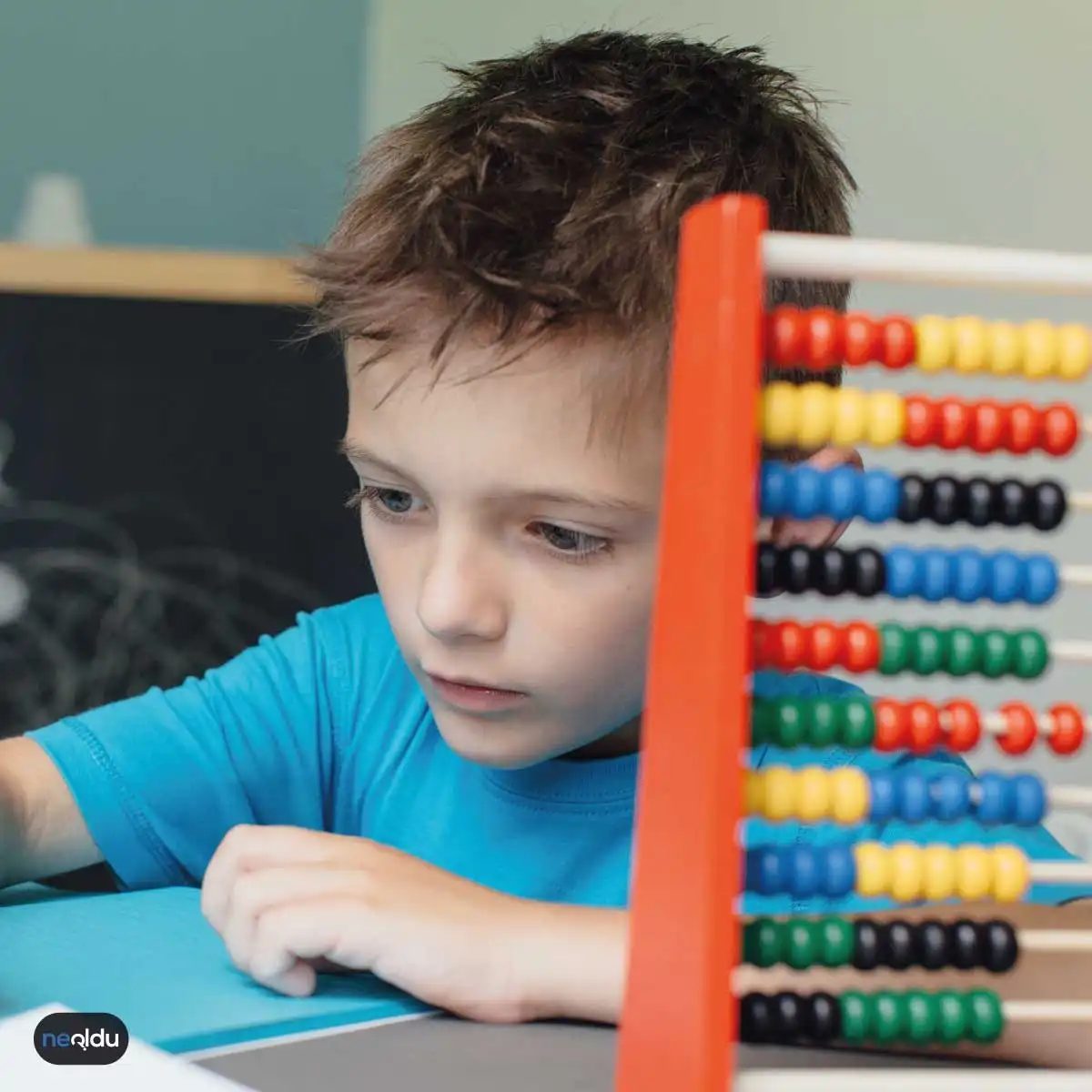
3. Matematik Eğitiminde Oyun ve Etkinliklere Önem Verin
Matematik sıkıcı olabilir. Zorunluluk haline geldiğinde zihinler kapanır. Ama oyun haline geldiğinde? Farklı bir oyun başlar.
Bu, çocukların matematiksel zeka gelişimi için en güçlü anahtar. Sayılarla kurdukları ilk ilişki, oyunla başlamalı. Statik dersler, soyut kavramlar. Oyunlar ise somut. Hareketli. Canlı.
Neden bu kadar kritik? Çünkü çocuklar dünyayı keşfederken oynarlar. Yıkılan kuleler. Dağılan taşlar. Paylaşılan meyveler. Hepsi birer matematik problemi. Çözülmesi gereken bir durum. Oyun, bu problemleri karşılarına serer. Çözüm ise keyif alır.
Nasıl uygulanır?
Basit kurallar bile işi değiştirir.
- Soyut yerine somut: Sayı kartları yerine bilyeler kullanın. Çıkarma işlemi, bilyenin elden çıkarılmasıdır. Gerçektir. Dokunulurdur.
- Günlük hayata bağlayın: Market alışverişi. Ürünlerin fiyatlarını karşılaştırma. Toplam tutar. Bu, sınıf ortamındaki kağıt üstü sorulardan çok daha canlı.
- Strateji gerektiren oyunlar: Satranç. Okey. Tekir. Bu oyunları oynamak, plan yapmayı öğretir. Sonrası için adım atmayı. Mantıksal bir sıralama.
Araştırmalar gösteriyor ki, oyunla öğrenen çocuklar, ezberleyenlere göre kalıcı bilgi sahibi oluyor. Neden? Beyin, bilgiyi bir hikayenin parçası olarak işliyor. Hikaye akıyor. Unutulmuyor.
Ebeveynler sıkça şunu soruyor: “Hangi oyunlar daha iyi?”
Cevap basit. Çocuğun ilgisini çeken. Onu düşündüren. Biraz zorlayan ama pes ettirmeyen oyun.
Bir kütük yığını düşünün. Her turda 1 veya 2 kütük alabiliyorsunuz. 10. kütüğü alan kazanıyor. Bu basit bir oyun. Ama içinde derin bir matematik var. Modüler aritmetik. Kalan sayılar.
Çocuk bunu bilmeden oynuyor. Ama zihni bunu pratik ediyor.
Etkinliklerde de aynı geçerli. El yapımı saatler yapmak. Rakamları görmek. Zamanı ölçmek. Saat dilimlerini anlamak. Bu, sadece zamanı öğrenmek değil. Kesirlerle tanışmak. 30 dakika bir saatin yarısı.
Okul dışı etkinlikler de önemli. Müzeler. Bilim merkezleri. Orada geometri var. Merdivenler. Döner merdivenin eğimi. Hepsi açıların matematiği.
Önemli olan, çocuğu zorlamamak. Ona “öğren” dememek. “Keşfet” demek.
Keşif, içten gelir. Zorla
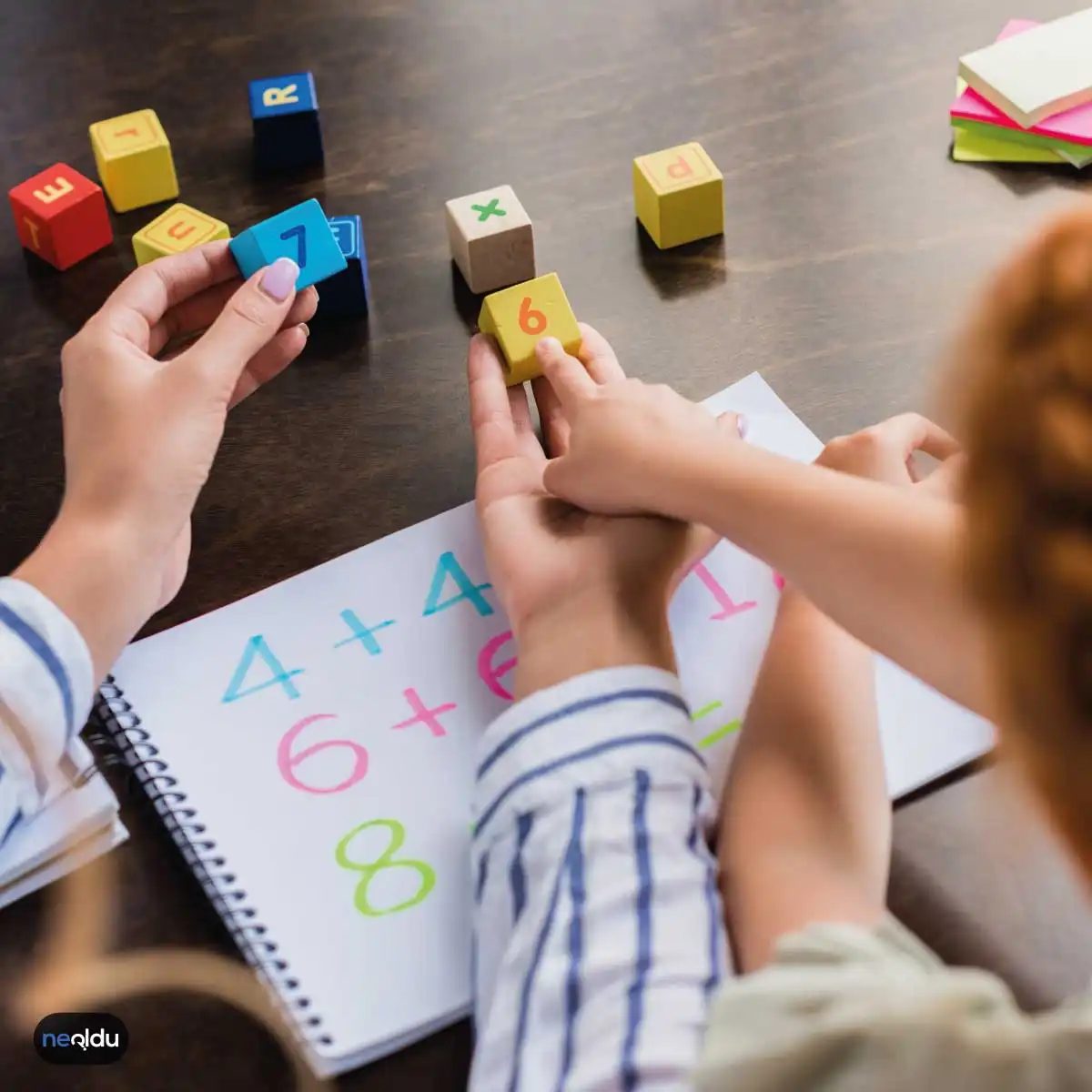
Kids don’t usually wake up excited to crunch numbers. The friction is real. But strip away the worksheets and swap them for play, and the dynamic shifts. Suddenly, addition isn’t a chore. It’s a mechanic in a board game. It’s the strategy behind a video level. This shift does two things at once. It lowers the barrier to entry. It builds genuine interest.
Games act as a sandbox for mathematical logic. You aren’t just memorizing facts. You are testing hypotheses. You see cause and effect immediately. If you choose the wrong number, the tower falls. The feedback loop is instant. This is how spatial reasoning and pattern recognition actually develop. Not through rote repetition. Through doing.
Parents play a massive role here. It’s not about being a math tutor. It’s about being a participant. Sit at the table. Play the game. When kids see their parents engaging with numbers without anxiety, it normalizes the subject. It signals that math is a social activity. A shared puzzle. Not a solitary test of worth.
Connecting Math to Real Life
Why Abstract Numbers Feel Pointless
Most kids hit a wall with abstract math around middle school. They ask the same question over and over: “When will I use this?” It’s a fair question. And teachers often struggle to answer it concretely. The gap between the classroom and the kitchen table can feel like an ocean.
The solution isn’t more drills. It’s context.
How to Bridge the Gap
You don’t need a lesson plan. You need opportunities.
Shopping trips are low-stakes labs. Let them handle the budget. When you’re at the grocery store, ask for help comparing unit prices. Which cereal is actually cheaper per ounce? The smaller box or the family pack? It’s not just multiplication. It’s value assessment. They see the direct link between a number on a tag and the money in their pocket.
Cooking turns fractions into reality. You can’t measure half a cup by staring at a blank page. You have to see the liquid level. Scaling a recipe up or down forces them to manipulate ratios. If you double the cookies, you need double the eggs. Simple. Tangible. No ambiguity.
Home projects introduce geometry and estimation. Painting a room? They can help calculate the square footage. Subtracting the area of windows and doors. Buying the right amount of paint isn’t just guessing. It’s a calculation with a physical outcome. Buy too little? You run out of color. Buy too much? You waste money. The stakes are real.
The “Why” Behind the Calculation
This approach answers the “why” before the “how” becomes frustrating. It anchors the skill in a memory.
“Math is a tool for understanding the world, not just a set of rules for school.”
When a child sees math as a lens for viewing their daily life, the anxiety drops. The subject stops being something they have to do. It becomes something they can do.
Where to Start
- Involve them in planning. Birthday party budgets? Let them allocate funds for food vs. decorations.
- Talk about time. How long until we leave? How long did the movie last?
- **Use data
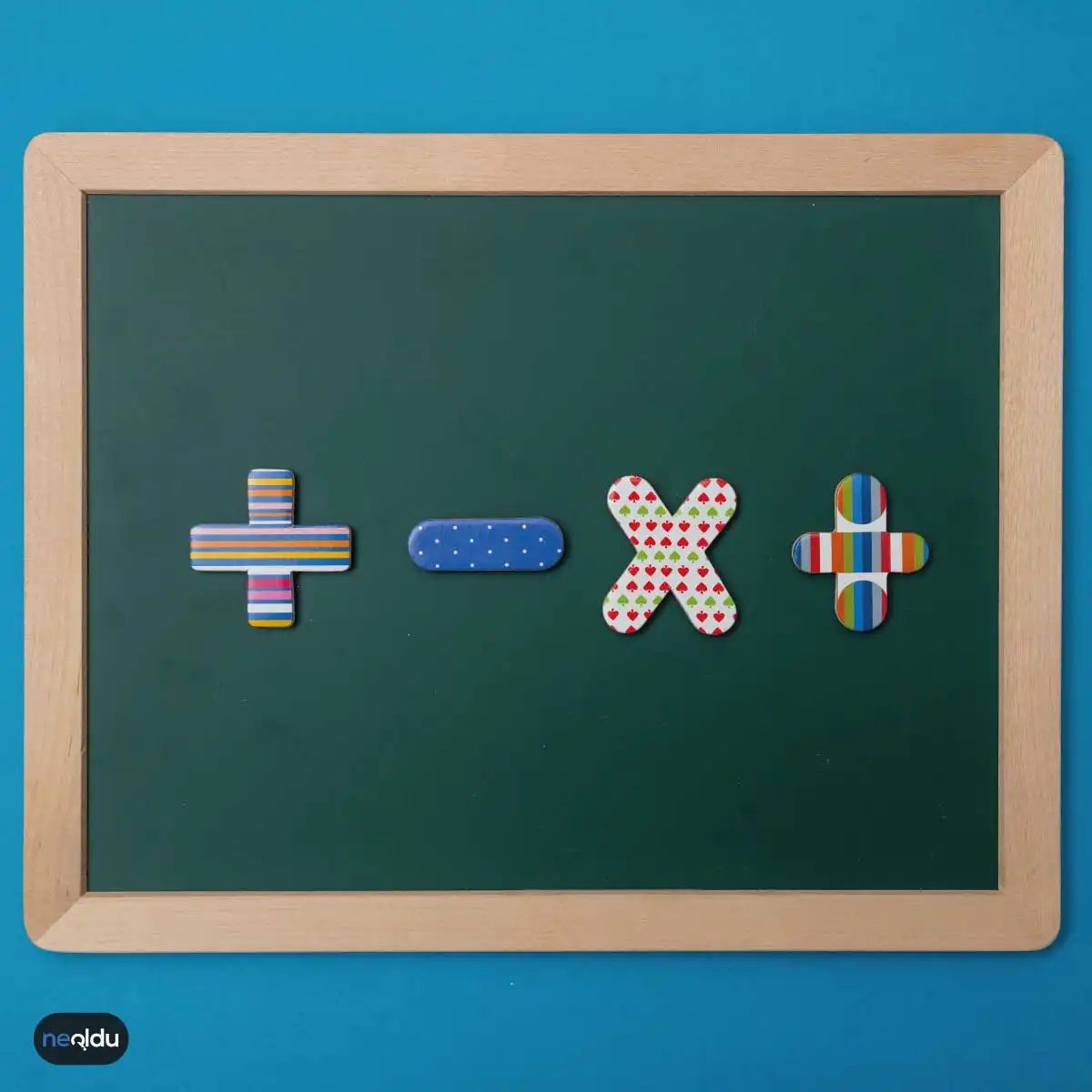
Matematik çoğu çocuk için kuru bir ezberden ibaret. Formüllerin arkasındaki anlamı göremediklerinde, konu sıkıcı hale gelir. İşte bu noktada devreye giriyor gerçek hayat bağlantıları.
Çocuğunuzun neden pi sayısını veya oranları öğrenmesi gerektiğini bilmesi, konuyu somutlaştırır. Bu, soyut kavramların günlük hayattaki karşılıklarını görmelerini sağlar. Sonuç? Sıradan yaşamda matematiğin neden var olduğunu keşfederler.
Bu yaklaşım sadece ilgi çekmekle kalmaz. Kavramları daha derinlemesine anlamalarına yardımcı olur. Zorluklar daha az korkutucu hale gelir. Öğrenme süreci kolaylaşır.
En önemli kazanç ise özgüvendir.
5. Kendine Güvenli ve Keyifle Öğrenen Bir Çocuk Oluşturun
Matematik korkusunu yenmenin en iyi yolu, hata yapmanın normal olduğunu göstermektir.
Çocuğunuz bir soruyu yanlış çözdüğünde, onu cezalandırmayın. Aksine, hatanın nereye kaybolduğunu birlikte inceleyin. “Burada neden hata yaptın?” yerine “Nasıl düşündüğünü anlatır mısın?” diye sorun. Bu, öğrenmeyi bir ceza mekanizmasından, bir keşif yolculuğuna dönüştürür.
Özgüven, tekrar ve sabırla gelir.
Küçük adımlarla ilerleyin. Her başarılı çözüm, beyninde bir ödül döngüsü tetikler. Çocuk, “Ben bunu yapabiliyorum” hissini içselleştirir. Bu his, zor sorulara yaklaşırken bile direncini artırır.
İlgi ise merakla beslenir.
Matematiği oyunlaştırın. Market alışverişinde para hesaplayın. Yemek yaparken ölçüleri tartın. Yürürken mesafe tahminleri yapın. Bunlar sadece pratik değil, aynı zamanda “matematik benim hayatımın bir parçası” mesajını veriyor.
Sınav notları her şey değildir.
Çocuğunuzun matematiği sevmesi, onu gelecekteki akademik veya mesleki başarıları için en iyi hazırlıktır. Baskıyı azaltın. Keşfi teşvik edin.
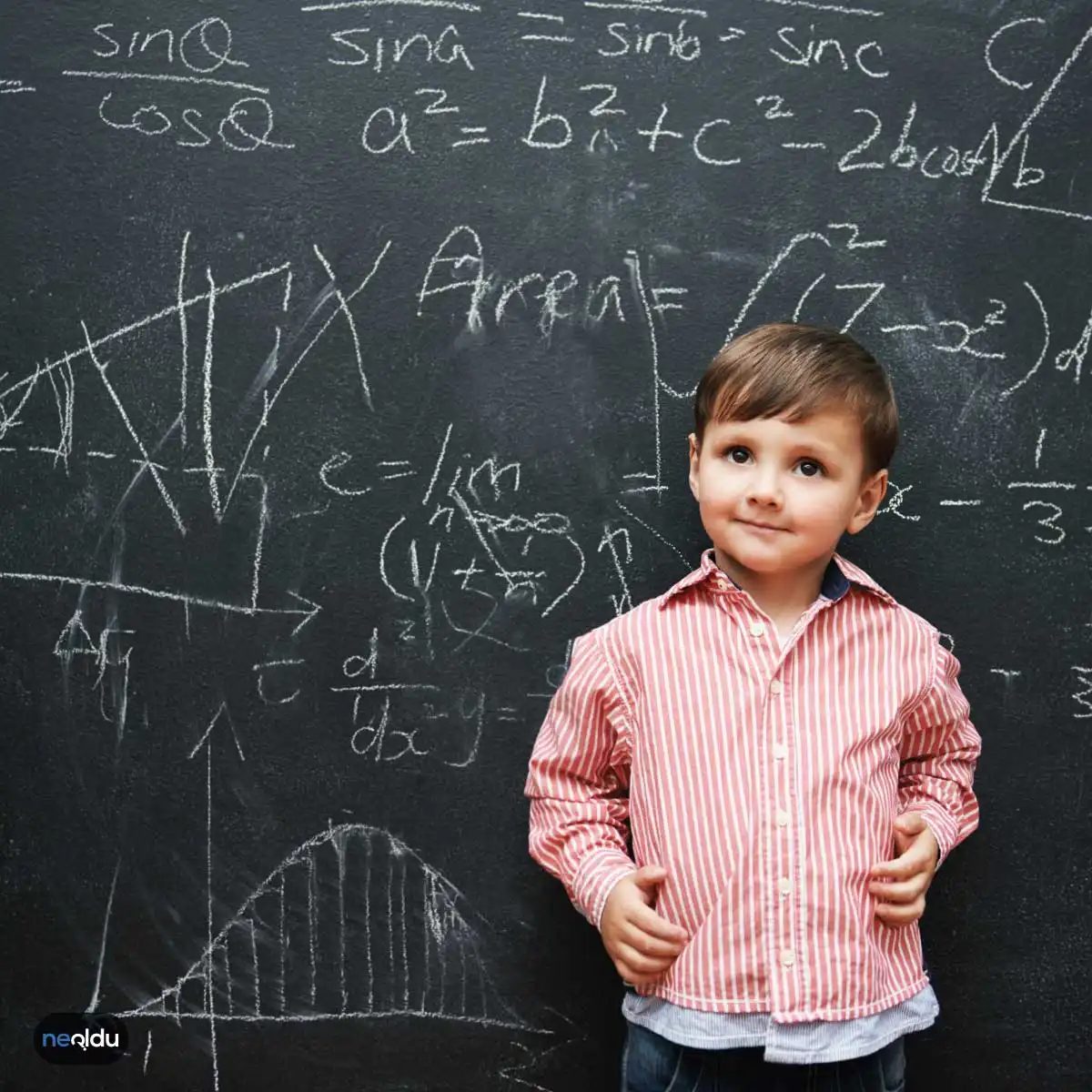
Fear isn’t just a feeling. It’s a barrier. When a child dreads math, they shut down. The result? Poor performance. A self-fulfilling prophecy. To break this cycle, you have to change the environment. Make math safe. Make it fun.
Start with confidence. Build interest through play. Use games. Use daily life examples. Suddenly, the abstract symbols on the page become tools, not threats. This shift makes comprehension easier. The fear fades.
6. Choose the Right Math Books and Supplies for Your Child
Finding the best math workbooks for kids isn’t about buying the most expensive set. It’s about finding the right fit. A book that is too hard creates frustration. Too easy, and boredom sets in. Both kill motivation.
You need to assess their current level. Then, select resources that challenge them just enough. Look for workbooks with clear explanations. Avoid those with dense text. Visuals help. Color-coded steps help.
Consider the physical supplies too.
– Manipulatives : Blocks, counters, or geometric shapes. These make abstract concepts tangible.
– Whiteboards : Allow for quick, low-stakes practice. No erasing pressure. No permanent marks.
– Graph paper : Helps with alignment in algebra and geometry.
Where can you find these resources? Local educational stores. Online retailers. But check reviews. Look for mentions of interactive math games for students. Do the books include puzzles? Real-world scenarios?
Why does this matter? Because the right materials reduce cognitive load. The child focuses on the concept, not the struggle to access the information.
Compare generic textbooks to specialized guides. The latter often break down problems into smaller, manageable steps. This scaffolding builds competence. Competence builds confidence.
Don’t overlook the supply closet. A simple set of dice can turn a boring drill into a race. A deck of cards can teach addition and subtraction without the child realizing it.
Which method works best for your child’s learning style? If they are visual, use color. If kinesthetic, use movement. Tailor the tools.
The goal is engagement. When the tools align with their needs, math stops being a chore. It becomes a game. And games are meant to be won.
You won’t fix everything overnight. But with the right books and supplies, you remove the friction. The path becomes clearer.
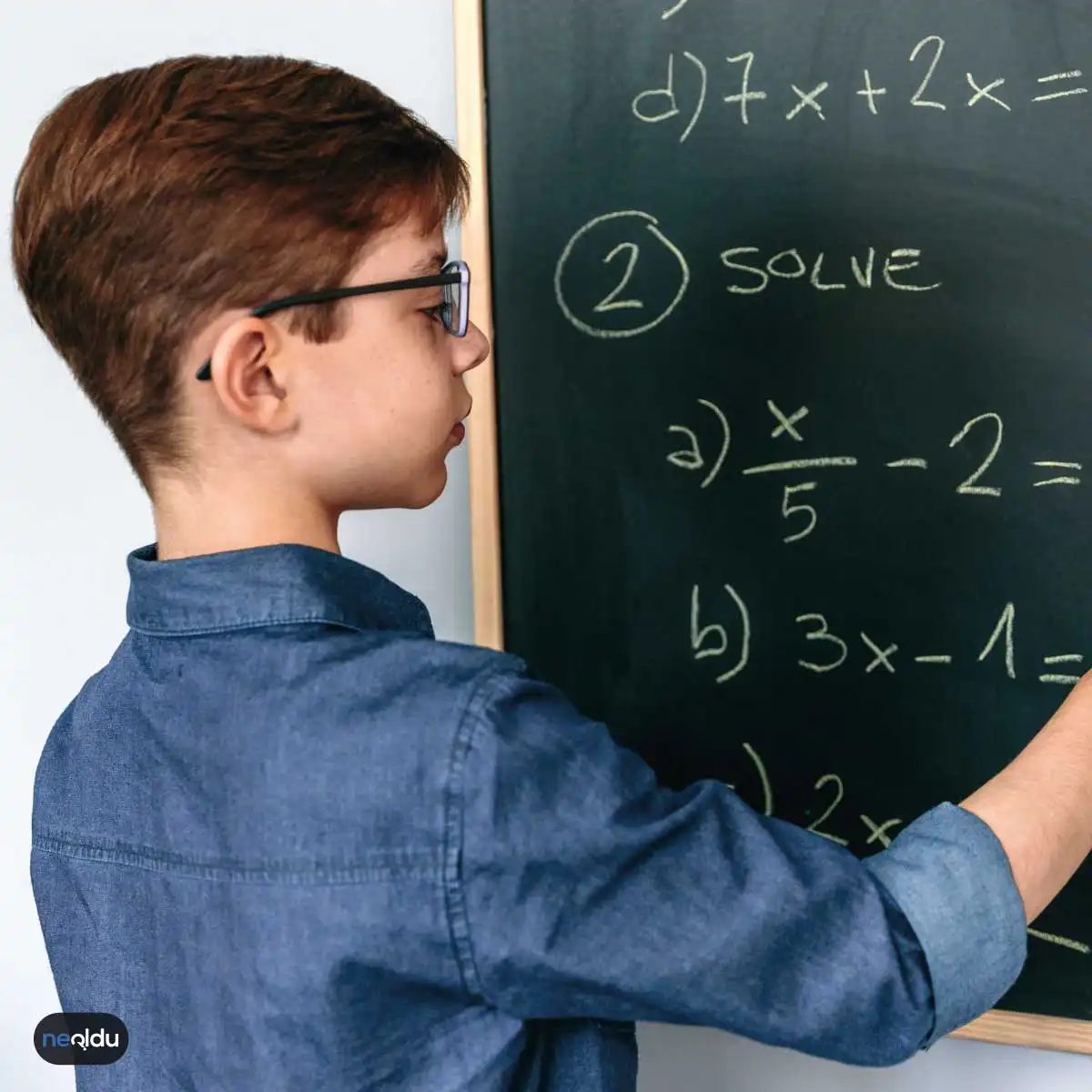
8. Build a Math Library That Actually Works
Stop buying the flashy, generic workbooks. They’re everywhere. They’re also mostly useless. Real learning happens when a child connects numbers to something they already care about. You need a toolkit. Not just any toolkit. One that matches their headspace.
Why generic resources fail
Most store-bought math kits assume every seven-year-old learns at the same speed. They don’t. One kid is obsessed with dinosaurs. Another is counting every car on the street. If you hand them a blank worksheet, you’ve lost them. The goal isn’t just “completion.” It’s comprehension.
How to choose the right books and manipulatives
Start with their interests.
– Theme-based books: If they love space, get a book about counting stars. If they love cooking, get a recipe book with fractions.
– High-contrast visuals: Younger kids (ages 3-6) need color. Not just for fun. It helps with pattern recognition. Look for books with bold, distinct shapes.
– Physical tools: Blocks. Counting bears. Dice. If it’s plastic, it’s tactile. If it’s tactile, it sticks.
“When a child sees math in their hobby, it stops being a subject. It becomes a language.”
Matching resources to developmental stages
You can’t put a calculus book in the hands of a toddler. But you also shouldn’t bore a gifted kid with the same counting exercises. Here’s a quick breakdown of what actually works at different levels.
Ages 4-6: The Concrete Phase
– Focus: Number recognition, basic addition/subtraction.
– Best Tools: Magnetic numbers, counting bears, simple picture books with repetitive counting.
– Avoid: Abstract worksheets. They’re too far removed from physical reality.
Ages 7-9: The Bridge Phase
– Focus: Multiplication, basic fractions, money.
– Best Tools: Board games like Monopoly or Yahtzee. Cooking together. Reading comics that include graphs.
– Avoid: Rote memorization drills. They kill curiosity.
Ages 10+: The Abstract Phase
– Focus: Algebra basics, geometry, problem-solving.
– Best Tools: Logic puzzle books, coding kits, science experiment guides.
– Avoid: Over-simplified explanations. They’re insulting to this age group.
Tracking progress without the stress
You don’t need a spreadsheet. You need observation.
Watch how they interact with the materials. Do they get frustrated quickly? Switch tools. Do they breeze through but make careless errors? Add a layer of complexity. The key is flexibility. If a resource isn’t working after two weeks, toss it. Move on. There’s no penalty for skipping a chapter or a book.
Where to find these resources
– Local libraries: Often overlooked. They have specialized math series for different reading levels.
– Second-hand stores: Toys and manipulatives are often donated in pristine condition.
– Online marketplaces: Look for “unschooling” or “montessori” math supplies. They’re usually higher quality than big-box store brands.
The right material
8. Matematik ve okul başarısı arasındaki gerçek bağı gösterin
Çoğu aile, matematiği sadece bir ders olarak görür. Yanlış. Bu, analitik düşünmenin temel dilidir. Çocuklar neden bunu anlıyor? Çünkü matematiği anlamak, hayatın geri kalanındaki mantığı da çözer. Öğretmenlerin buna dikkat etmesi şart. Her çocuk farklı hızda ilerler. Bazı çocuklar daha fazla pratik yapmayı sever. Diğerleri ise teorik temelleri derinlemesine incelemek ister.
Bir öğretmen ne yapmalı? Gözlemlemek. Takip etmek. Gerektiğinde özel yönlendirme yapmak. Bu destek, çocuğun kendine olan güvenini doğrudan etkiler. Başarılar takdir edilirse motivasyon artar. Bu döngü, matematik başarısını doğrudan okul genelindeki performansa bağlar.
“Matematik sadece sayılar değildir. Düzenli düşünme biçimidir.”
Ebeveynler ve eğitimciler, bu ilişkiyi vurguladığında çocuklar daha az korkar. Soyut bir korkudan ziyade, uygulanabilir bir beceriye dönüşür. Pratik yaparak güven kazanır. Teoriyi kavrarken mantık kazanır. Sonuç? Daha mutlu, daha başarılı bir öğrenci.
Peki ya çocuk hala zorlanıyorsa? Sabırlı olmak. Her adım küçük olsa da ilerleme kaydediyorsa, doğru yoldalar. Önemli olan, matematiği bir engel olarak değil, bir araç olarak görmek. Bu bakış açısı değiştiğinde, okul başarısı da otomatik olarak yükselir.
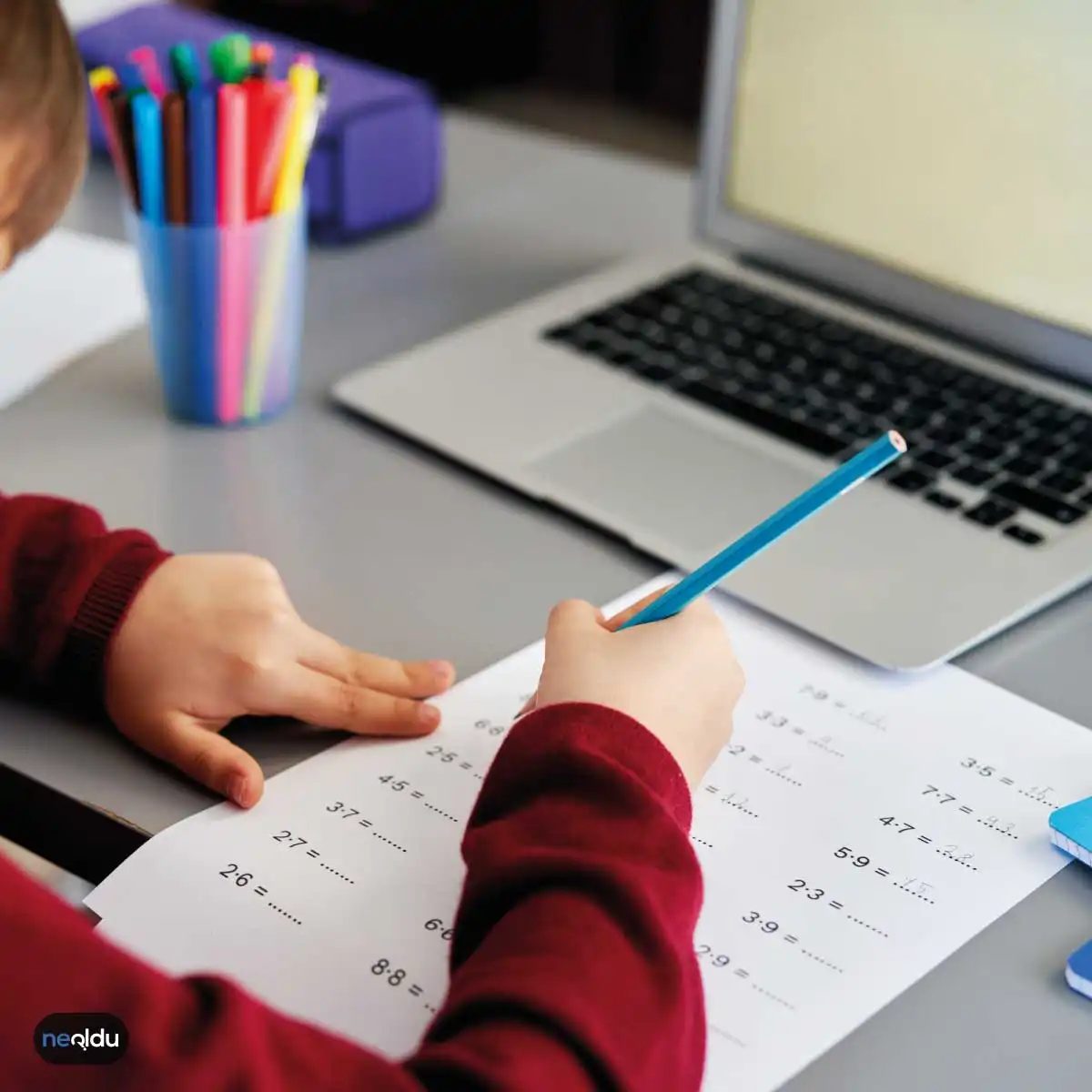
9. Matematik Eğitimindeki Rolünüzü Dikkate Alın
Matematik sadece sayılarla oynamak değil, bir düşünce pratiğidir. Çocuklar bu dersleri aldıkça problem çözme yetenekleri şekillenir. Düşünce yapıları netleşir. Mantık yürütme becerileri güçlenir. Bu değişiklikler sadece formüllerin ezberlenmesiyle gelmez. Derinlemesine bir anlayış gerektirir.
Bu süreç tamamlandığında çocuklar derslerdeki konuları daha hızlı kavrar. Başka branşlarda da başarı artar. Matematik, zihinsel bir spor salonu gibidir. Her soru, o kasları daha da geliştirir.
Bu beceriler hayat boyu kullanılır. Temel yetkinlikler böyle kazanılır. Çocukların matematikte başarılı olması, genel okul başarısının anahtarıdır. Bu nedenle rolünüz çok kritik.
“Matematik, çocukların hayatları boyunca kullanacakları temel becerileri öğrenmelerine yardımcı olur.”
Sadece öğretmek yetmez. Ortamı oluşturmak gerekir. Destek olmak, çocukların kendine güvenini artırır. Başarılar peş peşe gelmeye başlar.
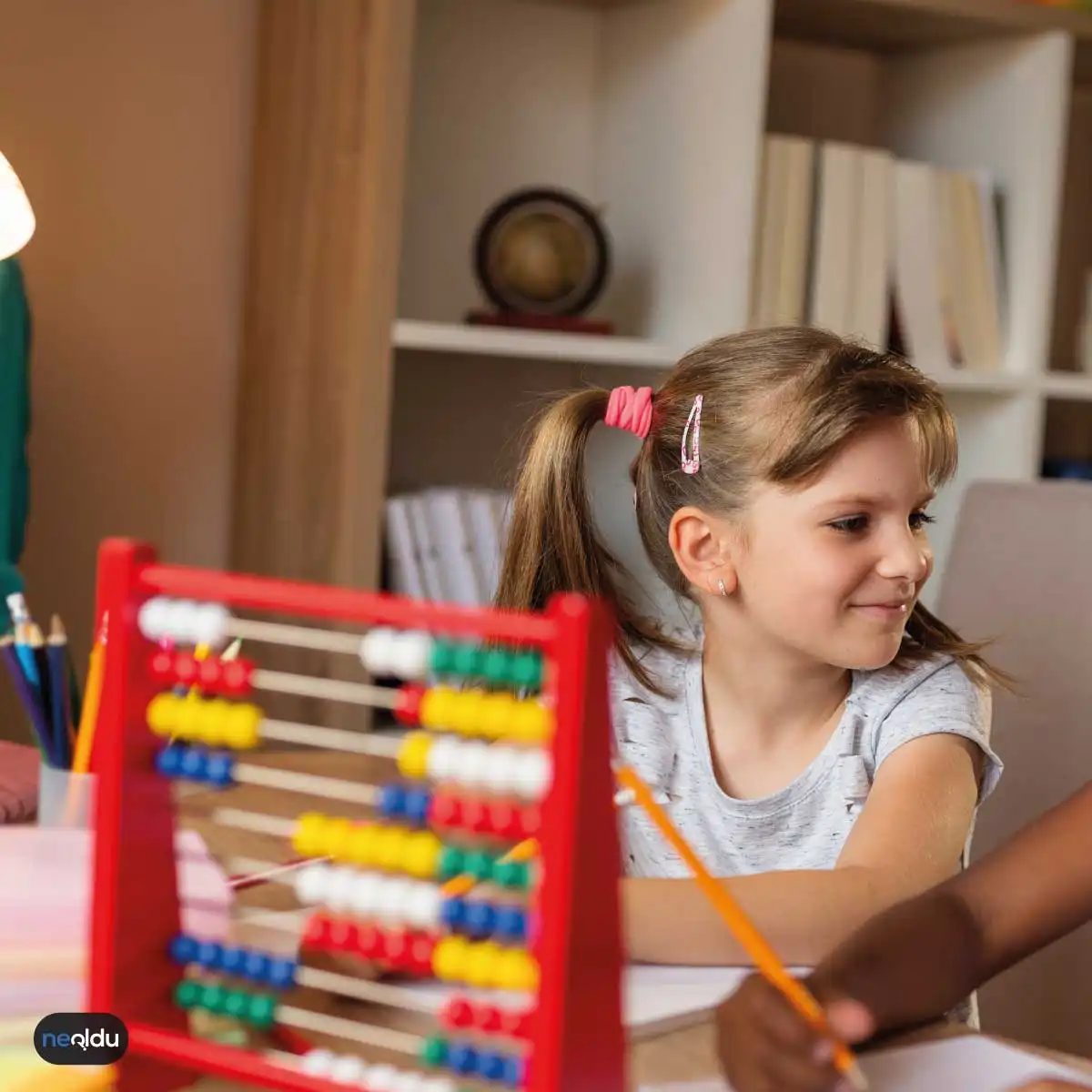
Why parental involvement in math matters more than you think
It’s easy to assume math happens inside the classroom walls. It doesn’t. Real learning sticks when it bleeds into the living room. Research consistently shows that a child’s success in mathematics is directly tied to parental support. Not just checking homework. But genuine engagement.
When kids play with numbers at home, they aren’t just memorizing facts. They’re building neural pathways for logical thinking. Reading math-themed books. Playing games. These aren’t “extra” activities. They are the foundation of mathematical confidence.
Starting early changes everything
You don’t need a whiteboard to begin. In fact, starting before formal schooling is the ideal approach. It begins with the baby toys.
Yes, even now.
Give a toddler counting blocks. A shape sorter. Simple objects with quantity. The goal isn’t mastery. It’s familiarity. When math feels like play rather than a chore later on, the resistance drops. The brain associates numbers with curiosity, not stress.
This early exposure builds the mental muscle for problem-solving. It’s not about being “good at math” by age four. It’s about removing the fear factor before it takes root.
The power of play in learning
Why do games work better than drills? Because games lower the stakes.
When a child is playing a board game or a card game, they are calculating probabilities, counting scores, and recognizing patterns. They are doing math without realizing it. This leads to deeper retention.
“Games help children learn mathematical concepts with pleasure and remember them permanently.”
Beyond cognition, these activities develop fine motor skills and physical coordination. Stacking blocks requires spatial awareness. Sorting shapes requires visual discrimination. It’s holistic development wrapped in entertainment.
Parents as the primary architects of confidence
A child’s self-belief in their academic abilities often mirrors their home environment. When parents sit down to explore math concepts, the message is clear: This is valuable. You can do this.
This support does three specific things:
- It increases interest in the subject.
- It improves academic performance.
- It builds self-esteem.
Without that safety net, math can feel isolating. With it, the child feels equipped. The parent doesn’t need to be an expert. They just need to be present.
The case for personalized guidance
One-size-fits-all teaching leaves many students behind. Math is cumulative. If a concept isn’t clicked, the next one becomes impossible.
Personalized guidance bridges that gap. Whether it’s a tutor, a teacher, or a parent, individual attention allows for pacing that matches the child’s understanding. It turns confusion into clarity.
Students who receive this tailored support understand concepts more deeply. They perform better. They stop guessing and start knowing.
The key is finding the method that resonates. Some kids need visual aids. Others need tactile manipulation. Some just need patience.
But the direction is fixed. The future of a child’s logical reasoning is being written today, in the quiet moments of home life. And the pen is in the parents’ hands.