Keri Rodrigues knows screens work.
She has five boys. Four get accommodations at school.
“When you get a kid with a learning plan for anxiety and a substitute who hasn’t read his 501 plan, he’s got to call mom on the phone so we can do breathing exercises together.”
That’s practical utility. It’s lifelines.
But now the culture is shifting. Lawmakers see screen addiction ruining mental health and are slamming the door. They want device bans. It’s a rising techlash in state houses across the country.
The problem? The net is wide. It might catch the kids who actually need the digital life rafts.
The exclusionary risk
Parents and disability advocates are worried. They aren’t necessarily fighting the bans themselves. Some agree screens need limits. But the process? It’s messy.
They feel left out.
Sambhavi Chandrashekar of D2L sees it clearly. Assistive tech isn’t a toy. It supports functional and social survival for neurodiverse kids. Digital tools are often baked into the individualized education plans these schools are required to provide.
Chandrashekar worries the gains are being swept into a political maelstrom. Lawmakers aren’t asking families. Not enough.
No one has reported a student getting banned yet. EdSurge hasn’t found an example.
Yet.
More than games
Let’s look at what happens if you pull the plug.
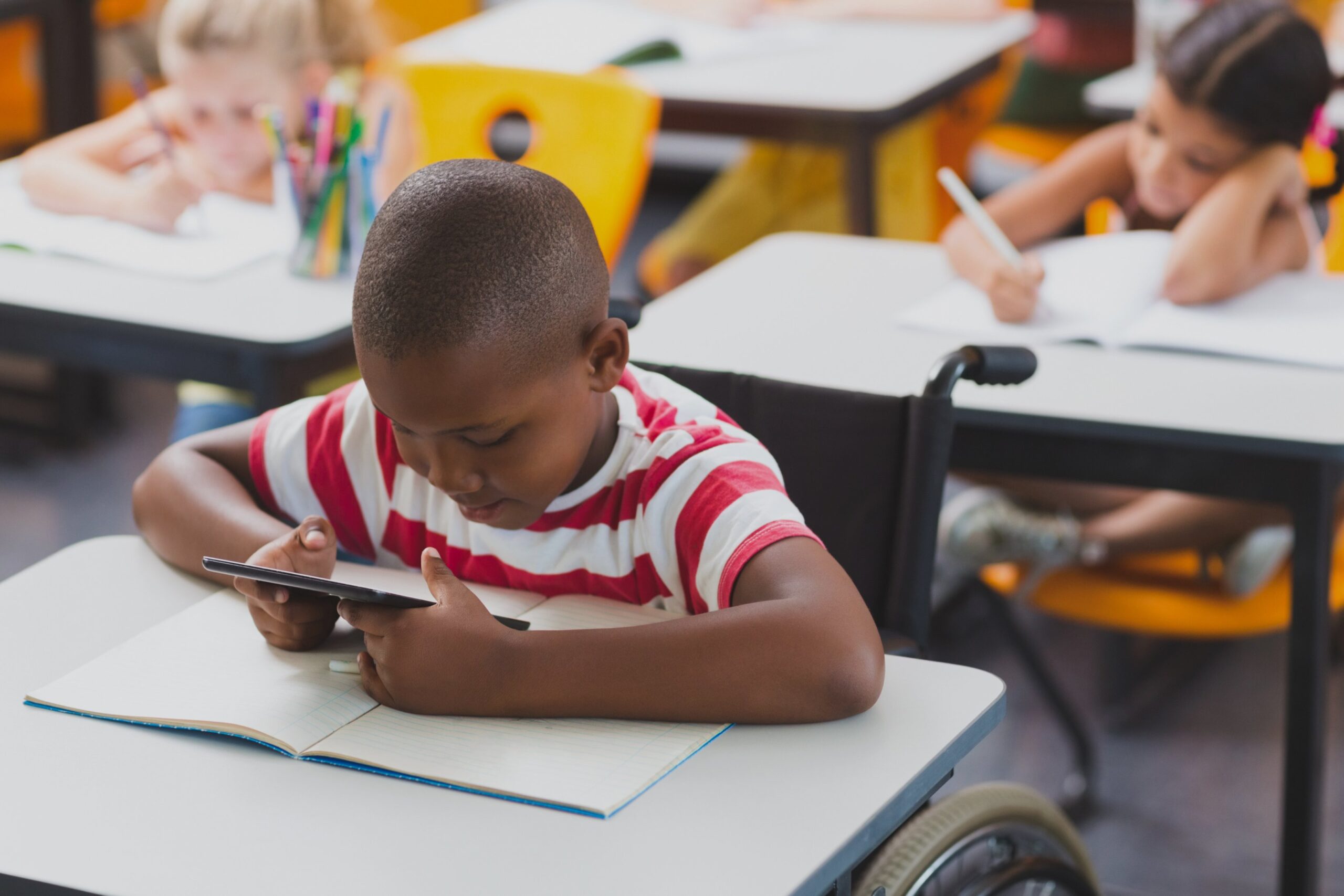
ADHD kids need the reminders. The timers. The medical alerts. Autistic kids use screens for self-regulation. Those with vision or hearing differences lean on specific accessibility features. Rodrigues’ own high school senior uses a meditation app to calm down.
She says it plainly. Phones aren’t toys.
As president of the National Parents Union, she urges caution. The intent behind the laws is good. It really is. But you can’t just stamp your foot on kids using devices for survival.
“We’ve got to make sure we aren’t stomping on kids that utilize these devices for important reasons.”
Rights on the brink
The tension isn’t just about phones. It’s about stability.
Disability law, specifically the Individuals with Disabilities Education Act (IDEA), guarantees assistive tech access. But trust is eroding.
Critics say Trump-era firings and cuts to federal civil rights offices have made protection shaky. A nonpartisan report showed student civil rights complaint dismissals hitting 90% in late 2025 after those cuts. The Department of Justice even delayed accessibility guidelines because schools simply weren’t ready.
Now we’re looking at bills proposing classroom surveillance to stop physical restraints. The fear is palpable.
Unintentional segregation
Most screen ban bills have an escape hatch. They explicitly exempt students with disability plans. Alabama does. Tennessee does.
Does that fix it?
Maybe not.
Andrew Kahn at Understood points out local policies can still choke off access. Tools like screen readers or predictive text might get flagged. These kids need them to keep up. It’s not obvious that they are medical necessities, even to those who don’t have formal IEPs.
Lindsay Jones at CAST agrees. The laws often leave implementation to the districts. No clear guidance.
So what does the teacher do?
A teacher scared of breaking a new state law might just say no screen. Even if the IEP says yes. Even if the student needs it to learn.
Jones notes students rarely sit alone in silence at a monitor. That’s a stereotype. The reality is integration. But bans create isolation.
If the classroom is a phone-free zone, the kid who needs the phone might have to sit somewhere else. Another room.
“That raises our concerns about stigma.”
Segregation by proxy. It’s ugly. It makes them different. It makes them other.
Kahn says difference magnifies stigma. It singles kids out. Education should happen in the least restrictive environment. Always.
Rodrigues worries kids will hide their needs. They’ll suffer in silence rather than be socially pariahs. They choose suffering over standing out.
Who is at the table?
The core issue isn’t just the ban. It’s who writes the rules.
Advocates want inclusion in the process. They don’t think bans should vanish, but the blind spots must be patched. Families with neurodivergent kids need a voice in the room.
Blanket rules ignore fundamental human differences. That doesn’t help anyone at the margins.
Chandrashekar puts it bluntly. Parents need a seat. Otherwise the system breaks those it should protect.
Will schools figure it out before it’s too late?