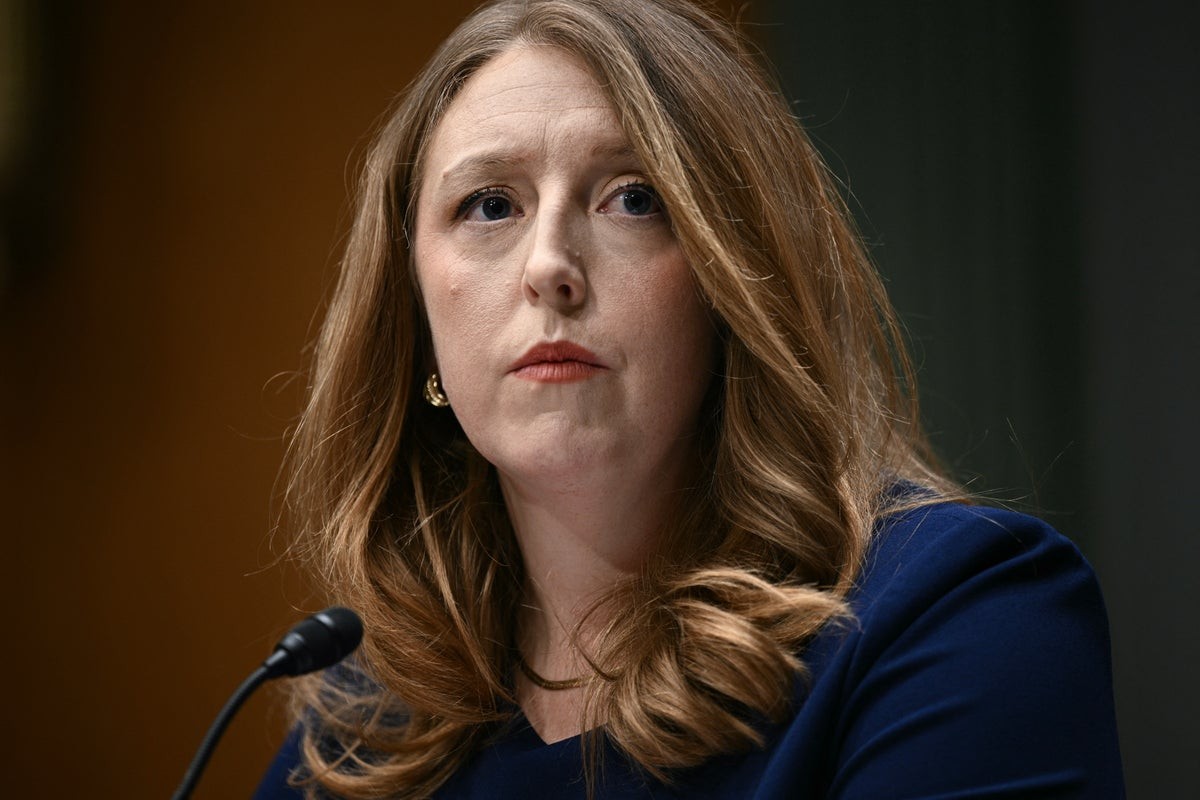
President Donald Trump has replaced wellness influencer Casey Means with radiologist Nicole Saphier as his nominee for Surgeon General, marking the third attempt to fill the role since the start of his second term. The shift signals a strategic pivot from a controversial “wellness” candidate to a practicing physician who, while medically established, remains a vocal critic of pandemic-era public health measures and a staunch advocate for the administration’s Make America Health Again (MAHA) agenda.
The Withdrawal of Casey Means
Casey Means, a Stanford Medical School graduate and co-founder of the functional medicine startup Levels, was initially tapped for the position in May 2025. However, her nomination stalled in the Senate due to intense scrutiny over her medical credentials and public health views.
Means left a surgical residency in 2018 to pursue alternative medicine. She is closely aligned with Department of Health and Human Services Secretary Robert F. Kennedy Jr., promoting the view that diet, sleep, and exercise are the primary drivers of major diseases such as diabetes, cancer, and Alzheimer’s. Her book, which criticizes processed foods and sugars, and her promotion of glucose monitoring for healthy individuals, drew criticism from lawmakers who questioned her suitability for a role grounded in evidence-based public health policy.
Senator Bill Cassidy (R-LA), a physician himself, voiced concerns among Republican lawmakers regarding Means’s stances on vaccines and abortion pills. The growing political pressure ultimately led Trump to withdraw her name from consideration.
Enter Nicole Saphier
Trump’s new nominee, Dr. Nicole Saphier, is a radiologist and director of breast imaging at Memorial Sloan Kettering Monmouth in New Jersey. Unlike Means, Saphier has a traditional clinical career, holding a medical degree from Ross University School of Medicine and completing fellowships at the Mayo Clinic and Maricopa Integrated Health System.
However, Saphier is also a prominent Fox News contributor and author whose public statements often challenge mainstream public health consensus. In her 2020 book, Make America Healthy Again, she argues that healthcare costs are driven by individual lifestyle choices rather than systemic issues, emphasizing personal responsibility over government intervention. Her 2021 book, Panic Attack, criticized pandemic-era shutdowns, mask mandates, and the World Health Organization’s response, framing these measures as politically motivated overreaches.
White House Spokesperson Kush Desai highlighted Saphier’s clinical background and her alignment with the administration’s goals:
“Dr. Nicole Saphier is an accomplished physician… She will be a powerful asset for President Trump and work tirelessly to deliver on every facet of his MAHA agenda.”
Reactions from the Medical Community
The replacement has drawn mixed reactions from healthcare professionals and public health experts.
- Cautious Approval: Anahita Dua, a surgeon and founder of Healthcare for Action, expressed gratitude that Means was removed, noting that Saphier has “real world experience with treating patients.” However, Dua urged Saphier to prioritize science and facts, expressing concern over her ties to Fox News and her ideological stance.
- Skepticism on Impact: Amira Roess, a global health professor at George Mason University, suggested the change may be symbolic rather than substantive. She argued that the administration’s broader goal is to deregulate protections for air, water, food, and medicine, and that the Surgeon General’s identity is unlikely to reverse these policy trends.
- Concerns Over Ideology: Mariah Wellman, an assistant professor at Michigan State University, noted that while Saphier is a practicing physician, her books reflect a “staunchly rooted MAHA ideology.” Wellman warned that Saphier’s views on individual responsibility and her criticism of public health interventions may continue to clash with established medical consensus.
Why This Matters
The struggle to confirm a Surgeon General highlights the deepening politicization of public health in the United States. The Trump administration’s preference for candidates who align with the MAHA ideology—emphasizing personal responsibility and skepticism toward government-led health mandates—reflects a broader trend of reshaping federal health policy away from traditional public health frameworks.
While Saphier brings clinical experience to the table, her public record suggests she will likely continue to challenge mainstream health guidelines. For lawmakers and the public, the key question remains: Will the next Surgeon General serve as a voice of scientific consensus, or as a political advocate for deregulation and individualist health policies?
Conclusion
The replacement of Casey Means with Nicole Saphier underscores the Trump administration’s commitment to a specific ideological vision for public health. While Saphier offers more traditional medical credentials, her history of challenging public health norms suggests the role will remain a battleground between evidence-based policy and political ideology.