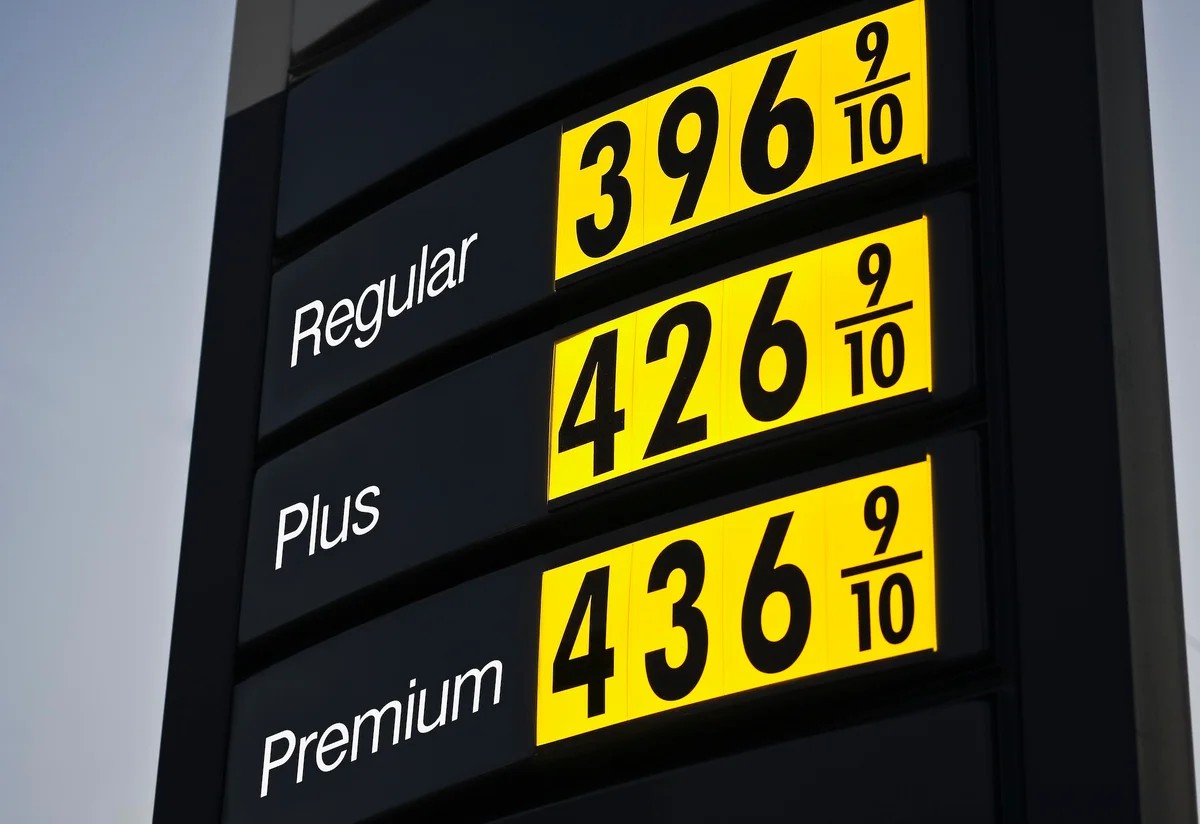
Gas prices are climbing, yet American oil producers are not rushing to drill new wells. This disconnect puzzles many consumers who expect higher prices to trigger an immediate supply response. However, the reality is shaped by geological limits, investor caution, and the inherent lag time in energy production.
While the closure of the Strait of Hormuz has trapped a significant portion of global oil supply, driving up costs and sparking fears of a 24% energy price spike in 2026, the U.S. domestic industry faces structural constraints that prevent a quick fix.
The Illusion of Immediate Supply
It is a common misconception that oil companies can simply “turn up the tap” when prices rise. In reality, the oil and gas sector operates on long lead times and complex risk calculations.
Key factors limiting immediate production increases include:
- Time Lags: It takes six months or more to bring a new well from the ground to full production. Companies must forecast prices months into the future, not just react to today’s headlines.
- Investor Caution: The “shale revolution” of the 2010s taught investors a hard lesson. When OPEC refused to cut production during the U.S. shale boom, prices plummeted by 70% between 2014 and 2016. Many firms still prioritize financial stability and shareholder returns over aggressive expansion, wary of another bust cycle.
- Rising Costs: Inflation has driven up the cost of labor and materials, squeezing margins. As Trey Cowan, an energy finance analyst at the Institute for Energy Economics and Financial Analysis, notes, “This volatility just really messes with people.”
Historical Context: Technology vs. Price
Price is only one driver of drilling activity; technology has historically played an even larger role.
- 1970s Embargo: During the 1973 oil embargo, prices spiked nearly 300%. U.S. producers increased activity, but production never surpassed the 1970 peak because existing technology could not access harder-to-reach deposits.
- The Shale Boom: It was not until the late 1990s and early 2000s, with the advent of hydraulic fracturing and horizontal drilling, that U.S. production began to rise significantly again. This technological breakthrough unlocked vast new reserves, fundamentally changing the global energy landscape.
The Current Supply Gap
Even if every available rig in the U.S. were deployed tomorrow, domestic production could not fully offset the global shortfall caused by geopolitical tensions.
- U.S. Production: Approximately 13.6 million barrels per day.
- Trapped Supply: Roughly 20 million barrels per day are currently impacted by conflicts in the Persian Gulf region.
Furthermore, much of the most productive shale acreage has already been tapped. Remaining deposits are often less efficient and more expensive to extract, reducing the economic incentive for rapid expansion.
Who Is Responding?
While major integrated oil companies like ExxonMobil and Chevron have largely stuck to their pre-crisis drilling plans, smaller independent producers are showing more flexibility.
- Continental Resources: Announced plans to add drilling rigs in April.
- Diamondback Energy: Pledged to increase output by 3% above previous plans for the year.
These moves suggest that while the industry is not panicking, there is selective acceleration among firms with access to capital and high-quality acreage.
The Renewable Buffer
One significant difference between this crisis and past oil shocks is the growing role of renewable energy. In 2025, wind and solar generated 17% of U.S. electricity, according to the U.S. Energy Information Administration.
This shift is reducing demand for fossil fuels in the utility sector, acting as a partial buffer against price spikes. As Cowan observes, “The renewables are saving our bacon for how quickly the energy prices are rising.” However, this relief is limited. Americans are still spending roughly half a billion dollars more per day on fuel than they would have without the conflict.
Conclusion
The surge in gas prices is a result of a drastic reduction in global supply, not a failure of U.S. producers to respond. With high costs, long lead times, and a cautious investment climate, a sudden boom in American drilling is unlikely. Consumers should prepare for sustained higher prices as the world navigates this geopolitical energy shock.