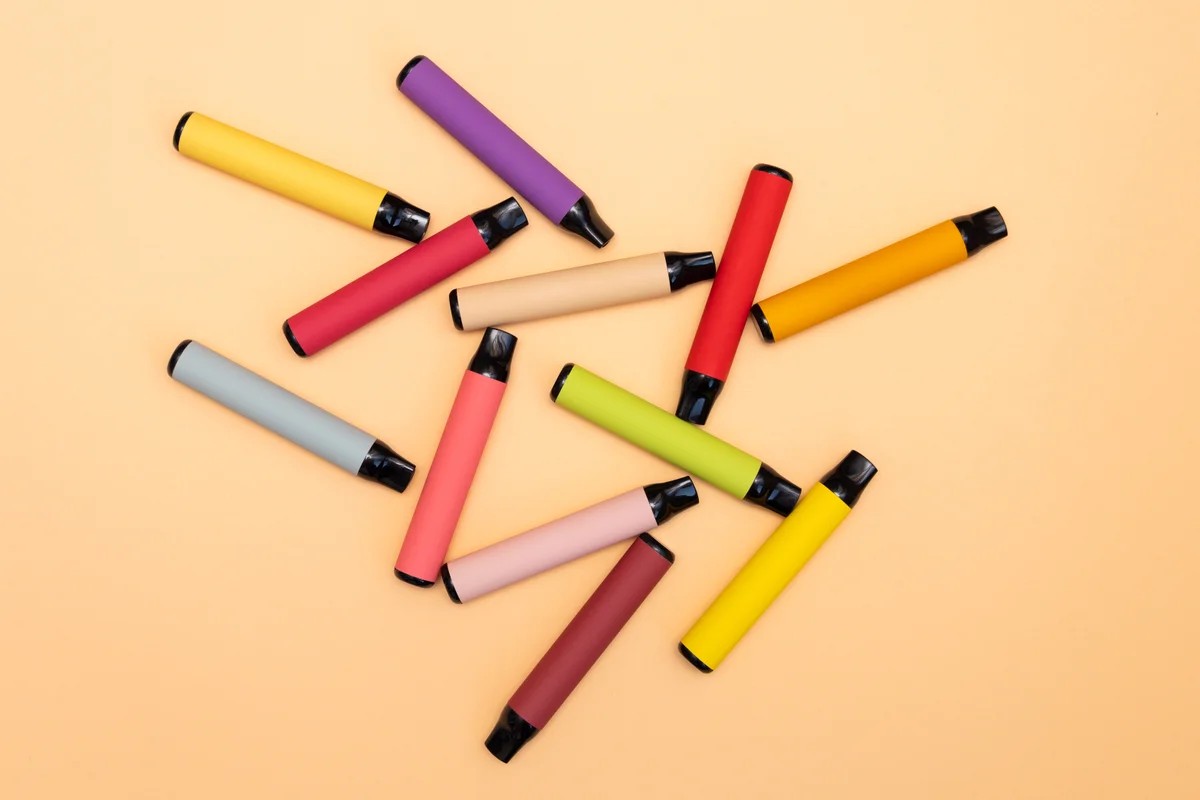
The U.S. Food and Drug Administration (FDA) has authorized the sale of specific fruit- and mint-flavored e-cigarettes, marking a significant shift in federal tobacco policy. This decision reverses restrictions implemented during the Biden administration, which had effectively banned many flavored vaping products. The approval, granted exclusively to the company Glas, hinges on the agency’s conclusion that new technological safeguards can prevent youth access while offering adult smokers a less harmful alternative to combustible cigarettes.
A Technology-Driven Exception
The FDA’s authorization is not a blanket approval for all flavored vapes. It applies strictly to Glas’s proprietary system, which includes specific e-liquid pods and a paired vaping device. The approved products contain 50 milligrams of nicotine per milliliter (5 percent) and come in four distinct flavors:
* Classic Menthol
* Fresh Menthol
* Gold (Mango)
* Sapphire (Blueberry)
The core of the FDA’s justification lies in Glas’s age-verification technology. To mitigate the risk of underage use, the system employs a multi-layered approach:
1. ID Verification: Users must verify their age using a government-issued ID.
2. Bluetooth Pairing: The device must be paired with a smartphone.
3. Biometric Checks: The system conducts random biometric check-ins to ensure the registered adult user is the one operating the device.
“This technology is also an indication of the role innovation may serve in the effort to protect young people from threats posed by nicotine use and addiction while helping to enable availability of an expanded array of flavored options for adults who smoke,” said Bret Koplow, acting director of the FDA’s Center for Tobacco Products.
The Public Health Trade-Off
The FDA’s stance is rooted in the belief that vaping serves as a critical tool for harm reduction. With approximately 25 million Americans still smoking traditional cigarettes, the agency views e-cigarettes as a potentially less dangerous pathway to quitting. Glas CEO Sean Greenbaum echoed this sentiment, stating that their data suggests flavored products are vital for helping adult smokers transition away from combustible tobacco, provided that strict regulatory oversight remains in place.
However, this approval ignites a fierce debate over the balance between adult harm reduction and youth protection. Critics argue that the health risks associated with vaping—ranging from high blood pressure and nicotine addiction to increased asthma risk in teenagers—are not fully mitigated by software. A 2018 analysis by the National Academies of Sciences, Engineering, and Medicine highlighted that e-cigarette formulations often contain toxic chemicals linked to lung and heart disease.
Political and Legislative Pushback
The decision aligns with former President Donald Trump’s 2024 campaign promise to “save vaping again,” though it contrasts with his 2019 signing of legislation raising the federal tobacco purchase age to 21. The move has drawn sharp criticism from lawmakers across the aisle who fear the normalization of flavored products will undermine efforts to keep nicotine away from adolescents.
Senators Dick Durbin (D-IL) and Susan Collins (R-ME) co-signed a letter expressing concern that the public health risks outweigh the benefits. They argued that flavors inherently increase the appeal of e-cigarettes to youth, and that no technological barrier can fully ignore the reality that “kids are drawn to what flavors are most available to them.”
Advocacy groups like the Truth Initiative have labeled this approval a “key test case.” They warn that if marketing restrictions and age-verification tech fail to limit youth uptake, the precedent could lead to a broader resurgence of flavored nicotine products.
Conclusion
The FDA’s approval of Glas’s flavored vapes represents a pivotal moment in tobacco regulation, prioritizing technological innovation and adult smoking cessation over broad flavor bans. While proponents argue this targeted approach balances public health needs with consumer choice, critics remain skeptical that digital safeguards can fully prevent youth addiction. The long-term impact of this decision will depend on whether these high-tech restrictions can effectively hold the line against underage use.