


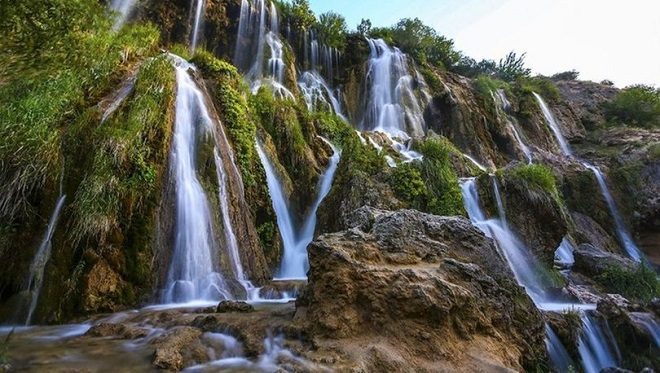
Turkey is more than a crossroads of continents. It’s a geological heavyweight. Mountains, plains and plateaus define the landscape. These are not just beautiful landscapes. These are working resources. But their use is changing, and not necessarily for the better.
Forests and rugged terrain? These include mining, tourism and livestock farming. Coastlines and oceans? This is a fishing and resort economy. But watch the plains closely. The ovals.
Loss of agricultural land
Turkey’s ovals is the perfect property for farming. Historically. This situation is changing rapidly.
Construction work encroaches on these plains. Developers prefer flat land. It’s easier to build. As a result, agricultural land is converted into residential projects and commercial premises. The result? Development is chaotic. Natural resources are destroyed not only because of use but also because of misuse.
We replace fertile soil with concrete slabs. And the soil doesn’t come back.
What are Turkey’s resources?
When we talk about Turkey’s natural riches, we don’t just list beautiful Lakess. We are listing industrial inputs. The list includes:
-
Lakes
-
Rivers
-
Groundwater resources
-
Forests
-
Agricultural area
-
Mineral deposits
-
Energy sources
Water is the biggest thing. Turkey is rich in it. However, abundance does not mean infinity.
The role of the Lakes
The Lakes is more than just a place of natural beauty. They are hydrological anchors. They regulate water tables. They support local ecosystems. Yes, they promote tourism. However, their primary function is often neglected until the water dries up or becomes polluted.
“Water is Turkey’s most strategic natural resource.”

River: the vein of the earth
Lakes are just one piece of the puzzle. Rivers do the heavy lifting for agriculture and industry. They move across the landscape. They feed crops. They power turbines.
Akarsular aren’t just water moving downhill. They are the engine of the economy. In Turkey, major rivers such as the Marmara, Aegean Sea and Black Sea depend on steady flows.
How rivers shape everyday life
Consider Kızılırmak or Sakarya. These are more than just names on a map. They define areas.
- Agriculture: Farmers depend on them. Without seasonal floods and irrigation canals, crops fail.
- Hydropower: Dams use gravity. Electricity flows into thousands of homes.
- Transportation: Historically, goods were transported on ships. At the moment, leisure activities are leading to a quiet increase in tourism.
Why the health of rivers is important
Pollution spreads quickly from one place. Downstream areas are in dire straits. Accumulation of sediment affects the ecosystem.
“Water is not just a natural resource. It is a living system that connects all the dots from water sources to the ocean.”
Management of river resources
The government builds dams. Engineers design spillways. However, nature has its limits.
Climate change changes the amount of rain. Drought is becoming more common. Rivers shrink.
Relationships
People live near the river. Cities developed on the banks of the river. Istanbul is located on the Bosphorus, a natural strait that connects to the Black Sea.
Tourism is popular where the river and the city meet. White water rafting in the Orontes. Fishing in the Mediterranean.
However, excessive use can be dangerous. Loss of surface water leads to groundwater depletion.
A look into the future
Sustainable management is not optional. This is necessary.
Which rivers face the greatest threats in your area? How do you balance industrial use with environmental protection?
The answer lies in careful planning. And public awareness.
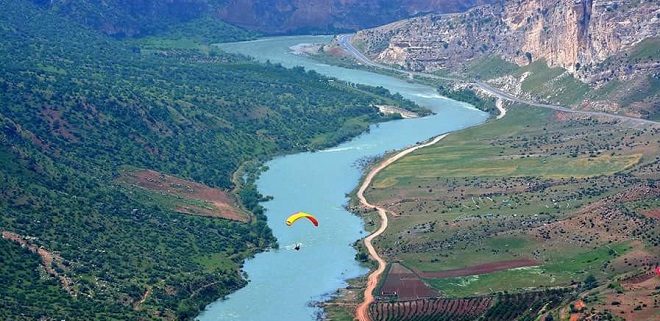

Turkey’s water resources: from rivers to underground reservoirs
Turkey’s most valuable natural resource is not gold or oil. This is water. In particular, rivers flow in every corner of the country. These are not just features of the landscape. They are the green energy engine of the country.
Hydropower is Turkey’s most important asset. In fact, most of the country’s electricity comes directly from flowing rivers. The numbers tell you this. By 2016, the share of hydropower plants in total electricity production in Turkey was 24%. This is the largest part of the grid.
But the river is only half the story. The other half is at your feet.
Discover Turkey’s underground water sources
While surface rivers get a lot of attention, underground water sources are just as important. These hidden resources feed springs, sustain agriculture during droughts, and provide drinking water for millions of people. Unlike rivers that dry up and flood, groundwater acts as a natural buffer. It stores excess rainwater during the rainy season and slowly releases it when the sun beats down.
This duality defines Turkey’s water strategy. Surface water captures direct flow. Underground reserves guarantee long-term stability. Ignoring these can leave your system vulnerable.
Think about it. How can we build resilience in a country with from seasonal drought? We don’t have to rely on just one source. Use visible rivers for energy. You can tap into invisible aquifers to survive.
“Water is more than just a natural resource. It’s infrastructure.”
The interaction between these two sources is complex. Engineers must monitor river flows to predict hydropower production. Simultaneously, hydrogeologists monitor the water level in the aquifer to prevent depletion. It’s a balancing act. If you drain too quickly, the land sinks. If we dam the river too much, the ecosystem will collapse.
Turkey has won the geological lottery. But winning requires careful management. Extraction is not the only purpose. It’s sustainability.
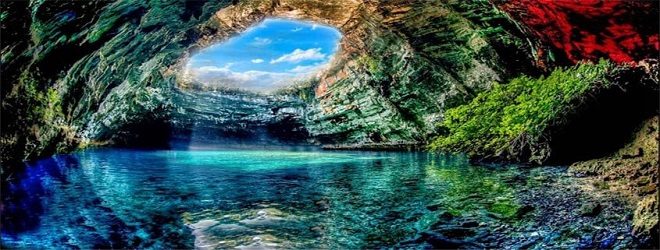

Dig deeper: How groundwater provides fuel for more than just spring water
Most people think of water as something that is flipped on in a kitchen sink. In fact, there is a huge reservoir hidden under our feet. Our country has the richest groundwater sources on the planet. It’s not just a static pool. This is a dynamic system.
Consider thermal tourism and geothermal energy. These are not just buzzwords appearing in government reports. They are the engines that drive the local economy. Tourists gather at the hot springs. Investors pay attention to geothermal power plants. Both rely on the same fundamental resource. Water is heated by the earth’s core.
But it’s not all relaxation and electricity grids. This water can also be used as drinking water. This is industrial water. The line between spas and municipal service lines is thinner than you might think.
Forest connection
Ormanlar
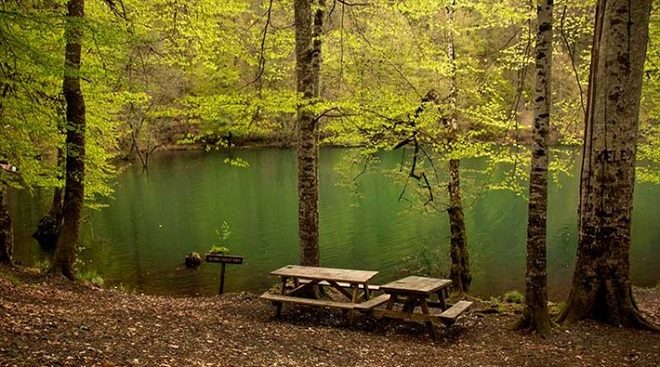

Türkiye’nin Tarım Toprakları Neden Bu Kadar Kritik?
Ormanlar sadece ağaç değil. Onlar bir ekosistem. Ve biz onları korudukça, yüzdelik oranlar yükseliyor. 2004’te %27,2 olan bu rakam, 2016’da %28,6’ya çıktı. Bu bir farkındalık hikayesi. Ama ormanlar tek başına yetmez. Beslenmemizin ve ekonomimizin bel kemiği başka bir alan: tarım alanları.
Türkiye’deki tarım toprağı, coğrafi çeşitliliği sayesinde benzersiz. Karadeniz’in yağmurlu kıyı şeridinden, Ege’nin kuru ovasına kadar uzanan bir doku. Burada yetiştirilen ürünler sadece yerel tüketim için değil, dünya pazarları için de stratejik. Mersin’dan Şanlıurfa’ya kadar her bölgenin kendine özgü tarımsal kimliği var.
Neden Tarım Arazisi Koruması Önemli?
Çiftçiler toprağı sadece bir kaynak olarak görmez. Onun için savaşır. Neden? Çünkü verimli tarım arazisi geri dönüşü olmayan bir kaynak. Asfaltın altına gömülen bir arazi, yıllar içinde bile verimini kaybeder. Toprak mikroorganizmalarıyla, su döngüsüyle ve iklim dengesiyle iç içe.
- Gıda güvenliği: Yerli üretim, ithalata bağımlılığı azaltır.
- İstihdam: Kırsal kalkınmanın en büyük motorudur.
- Ekolojik denge: Tarım arazileri, biyolojik çeşitlilik için de bir sığınaktır.
Hangi Ürünler Nerede Yetişir?
Bu sorunun tek bir cevabı yok. Coğrafya karar verir.
- Karadeniz Bölgesi: Fındık, çay, mısır. Nemli ve yağışlı iklim, yeşil bir cennet yaratır.
- Ege Bölgesi: Zeytin, incir, narenciye. Akdeniz ikliminin etkisi, ürünleri tatlı ve aromatik yapar.
- Güneydoğu Anadolu: Pamuk, buğday, mercimek. Sıcak ve kurak koşullara adapte olmuş ürünlerdir.
- Marmara: İncir, şeftali, ayçiçeği. Hem Karadeniz hem Ege etkilerini hisseden bir geçit noktası.
Her bölge, kendi iklimine uygun ürüne odaklanarak verimlilik maksimize ediyor. Yanlış ürünün yanlış yerde yetiştirilmesi, su kaynaklarını tüketir ve toprağı yorar.
Tarımın Geleceği: Teknoloji ve Sürdürülebilirlik
Geleneksel yöntemler hâlâ geçerli. Ama değişim kaçınılmaz. Dijital tarım, sulama sistemlerindeki verimlilik ve toprak sağlığının izlenmesi artık bir lüks değil, zorunluluk

Why Turkey’s soil and minerals drive its economy
Turkey’s economy is not only tourism and textiles. It is based on what is in the ground and what grows in the ground. The country is blessed with abundant natural resources, and production is not an accident, but a continuous process.
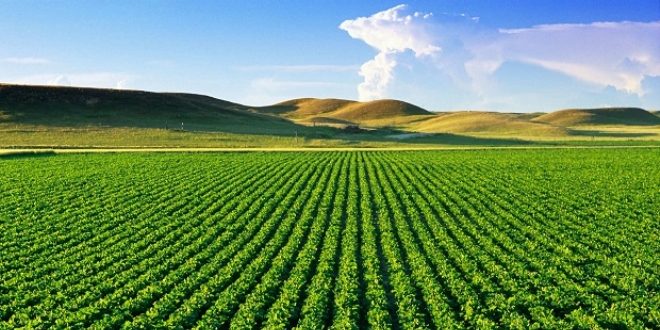
Take agriculture for example. This is more than just a department. This is the backbone of development. Turkey is strong here. About 31.1% of the country’s land area is used for agriculture. This is a large amount of real estate devoted to farming, livestock and food production. When you have a third of your land on the table, you have a solid foundation for growth.
Mining: More than just mining
But you can’t talk about Turkiye’s resources without going underground. mining sector is a place where diversity really shines. Turkey has a wide variety of minerals. It is diverse, and that diversity is important.
Why is this important for students, investors or anyone who follows global supply chains? Because mining is not static. This is strategic.
- Strategic metals: Turkey has significant reserves of boron, mercury, antimony and chromium. These aren’t just shiny stones. They are essential for technology, construction and industry.
- Energy minerals: Lignite and geothermal energy play an important role. It’s not just coal mining. It’s about electricity production and a sustainable heat source.
- Precious and base metals: Gold, copper and zinc are everywhere. Turkey’s map is full of mines that supply the world market.
This diversity protects the economy. When one market goes down, another market can go up. It’s a buffer.
How natural resources shape local economies
The effects are also felt in areas far from Istanbul and Ankara. In Zonguldak, coal has been a symbol of the city for decades. Afyon marble is world famous. In the Aegean, not only were olives and citrus fruits cultivated, but trade routes were also established.
This is not an abstract theory. It’s about jobs. This is about infrastructure. When the mines are operational or the harvest is good, local schools, roads and businesses benefit. Resources and community are directly related.
Durability issues
This is the problem. Abundant resources can be a curse if not properly managed. Overexploitation leads to depletion. Excessive cultivation has depleted the soil. The challenges facing Turkey are not only related to mining but also to conservation.
How do you balance current financial needs with long-term viability? This requires strict regulation. We need to invest in sustainable practices. This means your country is treated as a bank account instead of an ATM.
The facts are clear. Turkey is rich in natural resources. Soil covers almost a third of the country. Mines are deep and versatile. The possibilities are huge. The question is not whether Turkey can produce it. The question is whether it is produced responsibly.
This is the real test. This applies to all harvest seasons and all mining permit applications. The resources are there. The rest is up to us.
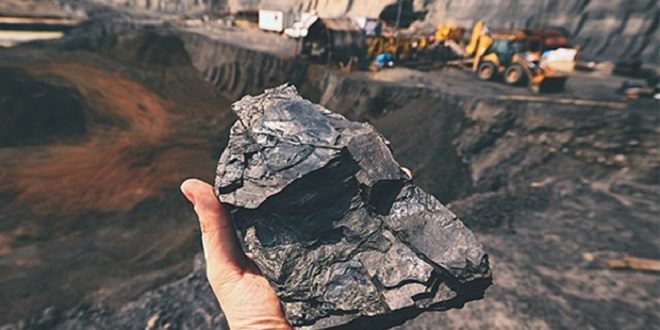
Turkey is sitting on top of a geological gold mine that is boosting the national economy more than many people imagine. We are talking about iron, copper, chrome, lead, zinc, boron minerals and marble. These are not just rocks on the ground. They are the backbone of the economy.
Here’s how it works: Most of these resources stay in the country and act as raw material to feed local industry. The rest? It goes out the door.
The products that generate the most export income are marble, chrome, boron minerals, zinc, copper and feldspar. In the world market, Turkish boron and marble are well known. However, this rich natural resource also has a dark side. The removal process is energy intensive. High. This brings us to the next important part of the puzzle.
Energy reality check
Without electricity, these minerals cannot be mined, refined or exported. Massive amounts of it.
Turkey’s energy sector has struggled for years to keep up with industrial demand. This creates a bottleneck. Strong dependence on imported energy in the processing of minerals for export creates pressure on the trade balance. This is a circular problem.
The country has historically relied on coal, hydropower and natural gas. But transition is happening. Slowly.
Why is this important to you?
If you are interested in studying economics or just want to understand why electricity distribution prices vary or why certain industries change, check out the energy mix. The transition to renewable energy does not only concern the environment. The goal is to lower energy import fees and increase Turkey’s export competitiveness.
The hidden costs of mining
Mining leaves its mark. literally.
Environmental regulations are getting stricter. This is good for long-term sustainability, but bad for short-term profitability. Companies must now invest in clean technology. This increases costs. But it also opens up new opportunities for green technology innovation.
Students considering their careers should pay attention to this. The future is not just about digging. It is in cleaning up. Process materials with less energy. In a circular economy, waste becomes input.
Where do we go from here?
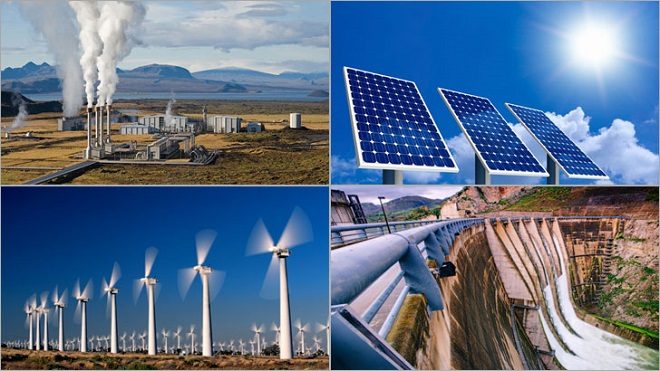
The government has announced plans to increase domestic energy production. Solar park in the south. Wind farms are located on the coast. Nuclear discussions (albeit politically volatile).
The goal is self-sufficiency.
But could that happen anytime soon? Probably not. Building infrastructure takes time. Political will is wavering. The world market for these minerals is very volatile.
Economists still don’t have an answer to one question: how to balance rapid industrial growth with practical environmental protection amid a growing population and increasing demand for materials.
There is no simple formula. Just trade-offs. For every ton of copper exported, one ton of energy is consumed, often from non-renewable sources. The calculation is easy. Politics is tricky.
We focus on share prices. We watch the weather. We’ll wait and see if the promise of green energy turns into real grid stability.
The minerals are here. Energy is a variable. And we’re still learning to manage the relationship between the two.

Why does Turkey import primary energy fuels?
The calculation is easy. Domestic natural gas and oil reserves are scarce. This is not a matter of geographic preference. This is a geological question. We buy it from outside because the supply is low. Most of the imported natural gas is used for purposes other than heating apartments and driving cars. This is intended for generating electricity. We bring them into the country to keep the lights on.
The main factor behind this import is still electricity generation. The electricity grid requires reliable fuel. When the wind is not blowing and the sun is not shining, the gas enters. We fill this gap.
Coal and oil follow the same pattern. Turkey does not produce enough of either product to meet domestic demand. So we headed to the international market. These are not optional luxuries. These are important contributions to industry and infrastructure.
Dependency costs
Importing fuel creates vulnerabilities. Prices vary according to world events. Supply chains may be broken. For this reason, energy independence is often discussed in political arenas. The real situation is different. This country uses foreign fuel.
Economics students should pay attention to the effects of the trade balance. Money leaves the country to pay for these resources. This is a constant strain on the economy. Parents who are worried about household finances can also see this. When world market prices rise, the price of electricity usually rises as well.
Lifelong learners may wonder why renewable energy hasn’t replaced this entirely. The answer lies in the infrastructure. Building a new network takes time. The existing plants were built on natural gas and coal. Change will not happen quickly. This is a gradual change.
What does this mean in everyday life?
I feel it when it’s cold. The demand for natural gas is increasing. Imports increased. Prices adjust. You feel it when a global conflict disrupts transportation routes. The price of crude oil rises. Transport costs are rising. Everything will be a little more expensive.
There is no magic solution. Not a single switch can be turned. The current system is based on continuous imports. This dependence will continue until domestic alternative energy sources expand or renewable energy becomes mainstream.
This is not a crisis every day. It’s background noise. A constant reminder that energy security is closely linked to the global market. We accept this trade-off because alternatives such as blackouts and industrial slowdowns are worse. For now.
The question isn’t whether we will import. The question is how long it will take to do it. What happens to the price when the invoice finally comes due?


