


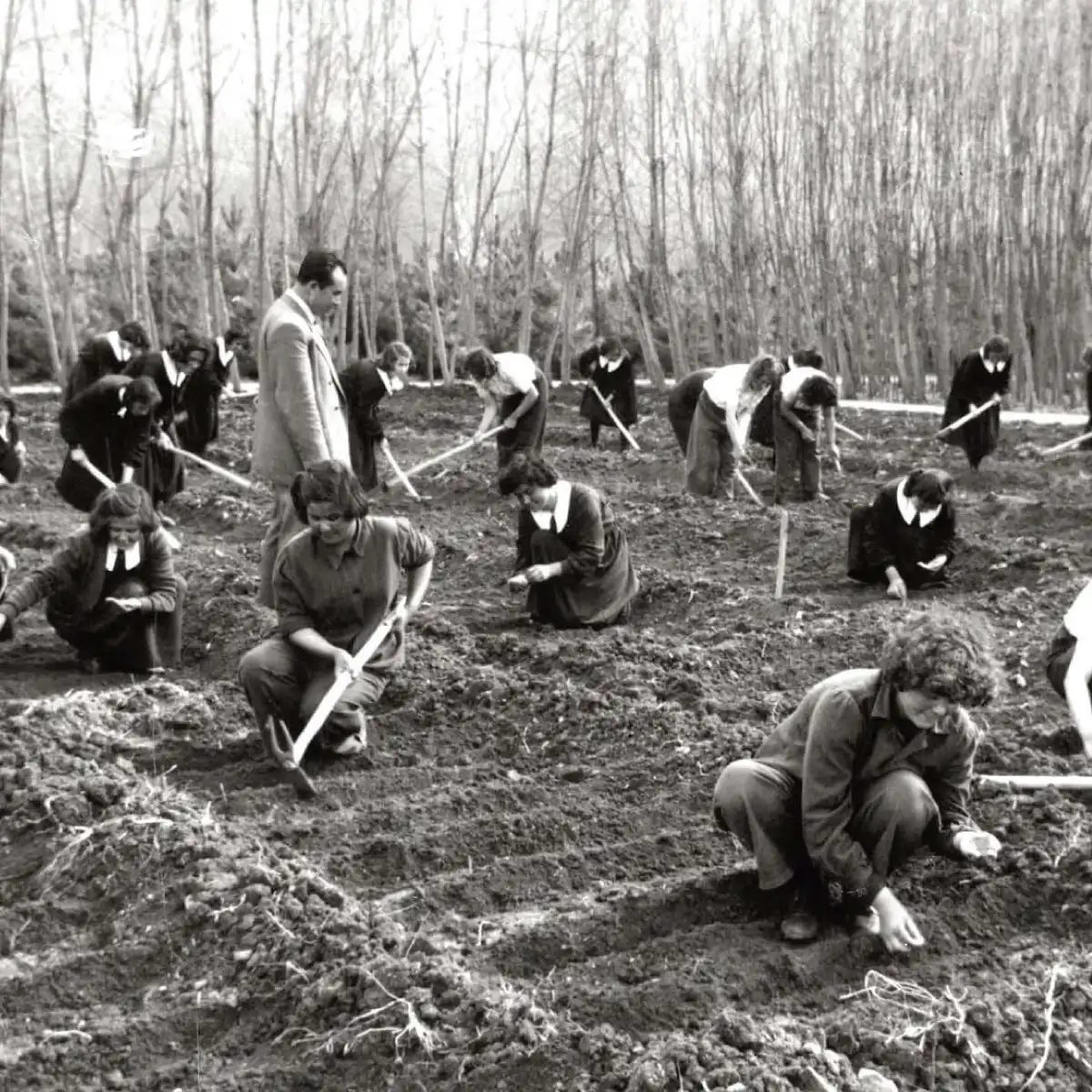
April 17, 1940. One of the most radical experiences in Turkey’s education history came to life with the law passed that day. Village Institutes were designed as a revolutionary idea, not just a school. His aim was clear: to train teachers in the villages of Anatolia. The aim was not only to teach in the classroom, but also to enlighten the society and move it forward.
Even today, the legacy of these institutes is debated. What was the motivation behind this system, which was closed in 1954 and whose effects lasted for years? Why was it rejected so strongly? Here is the founding philosophy of the Village Institutes, the achievements they made and the political and social dynamics behind their closure.
Establishment Time and Legal Basis of Village Institutes
When were the Village Institutes established? The answer is simple: 1940.
But history alone is not enough. The underlying need was much deeper. In the first years of the Republic, education was lacking, especially in rural areas. There were no teachers to teach. The traditional system focused on the city center and neglected the villages. A road map was drawn to fill this gap.
These institutes, established by the law dated April 17, 1940, acted on the “farmer-teacher” model. Students were both studying and working in the field. This was an applied education model that was not disconnected from theory.
Why were Village Institutes Opened?
Let’s ask the question again: Why were Village Institutes opened?
The answer was directly linked to the socio-economic realities of the time.
- Teacher Shortage: Millions of children in rural areas of Turkey could not go to school. The main reason for this was the lack of teachers. Traditional mainstream schools were slow and expensive. A quick and on-site solution was required.
- Community Enlightenment: Education was not just reading and writing. Geography, history, art and agricultural awareness were also wanted to be included. The goal was to raise a conscious generation of peasants.
- Local Development: Institutes were not only educational centers but also cultural and development centers. Libraries, workshops and health services were brought to the villages.
“Education does not just end in the classroom. It must spread to every corner of the village and change people’s lifestyle.”
Gains and Effects
Kö
The Process of Bringing Village Institutes to Life
In Turkey in the 1940s, education had to become a way of life not only in high schools and universities in the city center, but also in rural villages. Behind this vision lay the strong support of the then President İsmet İnönü, the political will of the Minister of National Education Hasan Ali Yücel and, most importantly, the practical solutions of the pedagogy giant İsmail Hakkı Tonguç. This initiative, embodied in legal regulations, was actually aimed at much more than a simple school project.
Basic Purposes and Establishment Philosophy of Village Institutes
The reason for establishing Village Institutes was not only to increase literacy but also to radically change the social and economic life of the villagers. In those years, the majority of Türkiye consisted of farmers. But this population was unaware of modern agricultural techniques, hygiene rules or basic health knowledge. The institutes were designed to fill this gap.
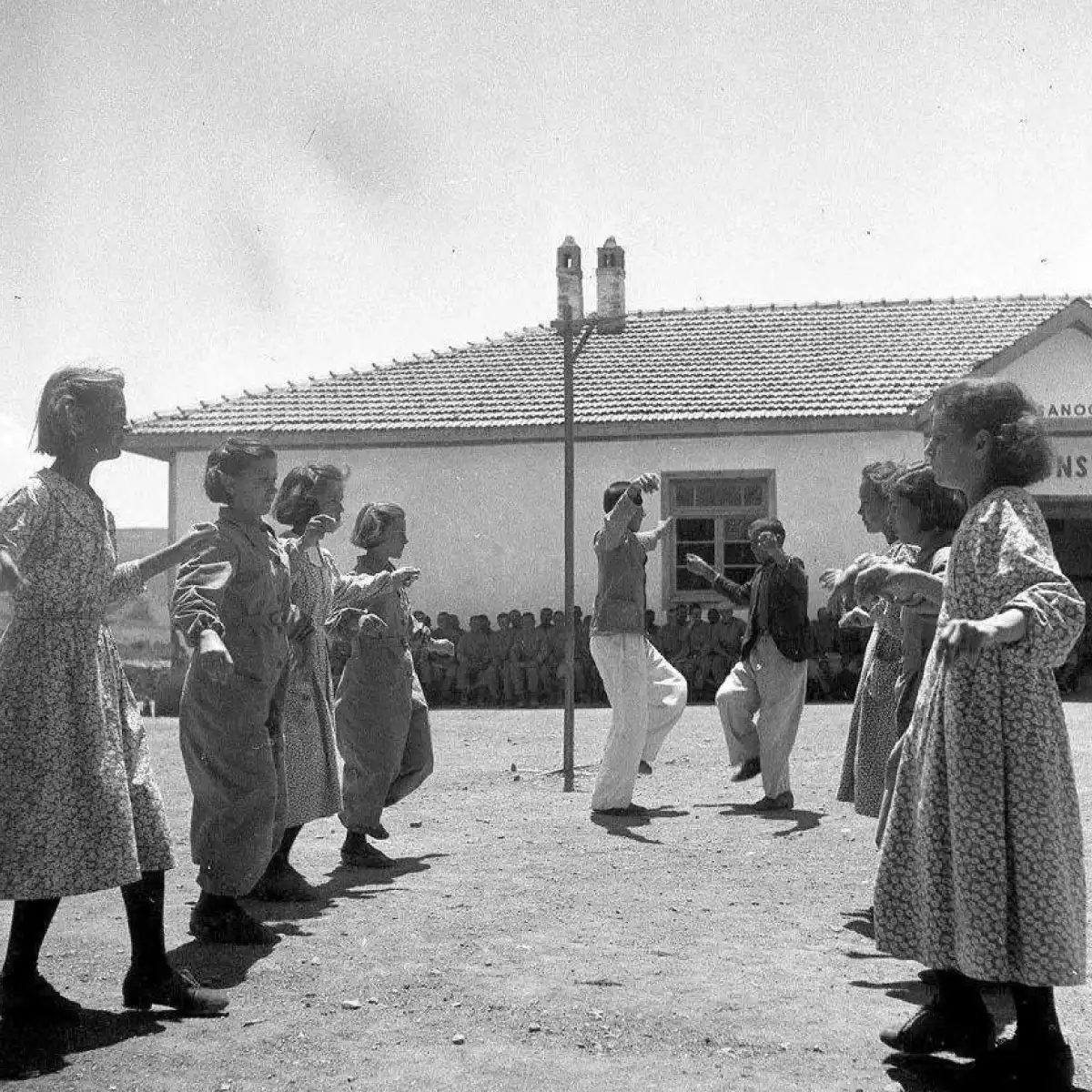
İsmail Hakkı Tonguç’s approach was based on “changing society” rather than “training teachers”. Students weren’t just listening to lectures. They were working with the soil, doing carpentry in workshops, drawing and staging pictures in workshops. This was an education model focused on practical skills and social responsibility rather than theoretical knowledge.
“The village child will be both a farmer and a teacher. He will read and write and go into the fields.”
This approach completely rejected the passive student model of the traditional education system. Learning was happening on the job. While this situation disturbed the conservative segment of the period, it was welcomed with great hope by progressive intellectuals. However, the political repercussions of these revolutionary methods were also growing rapidly.
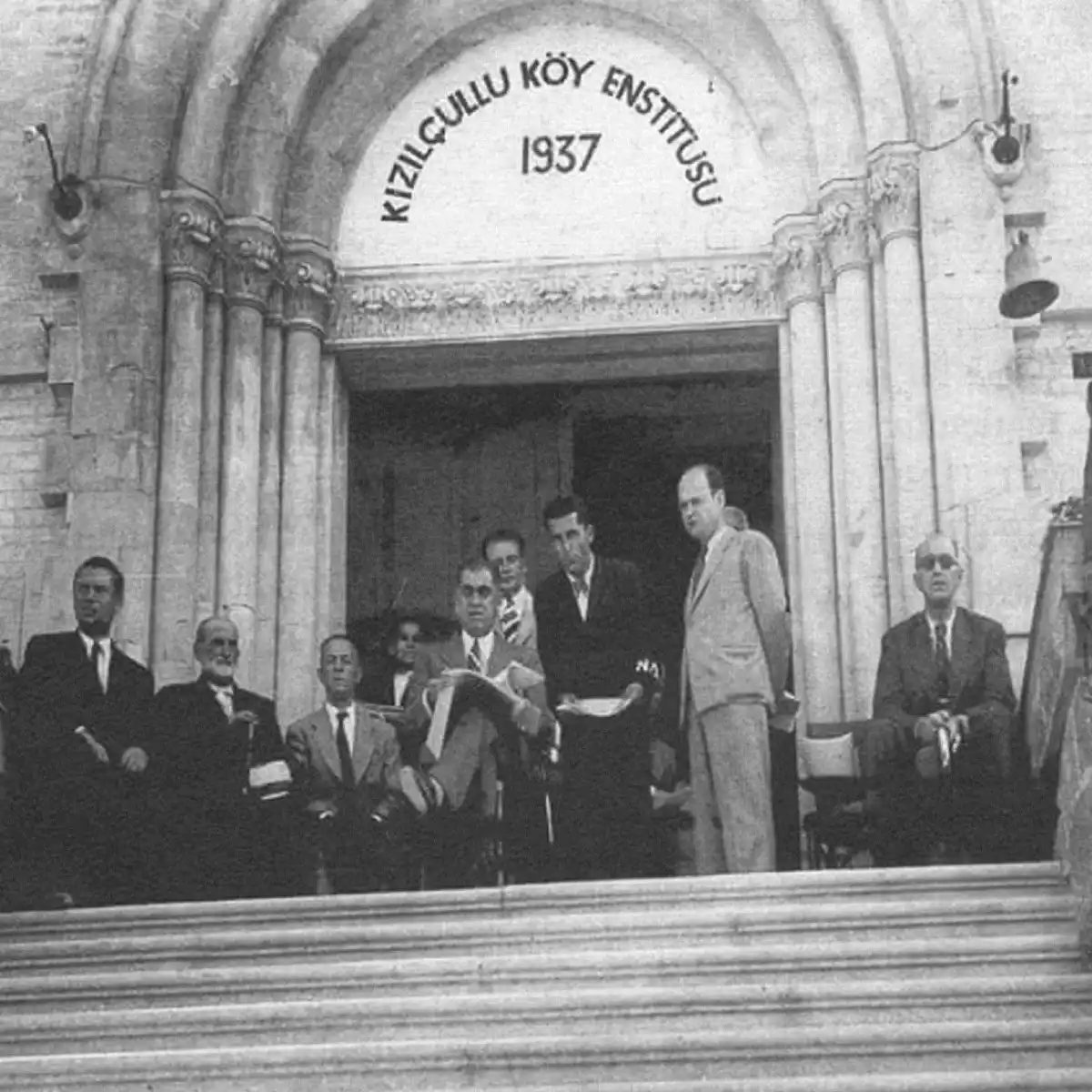

The majority of Anatolia was struggling with the lack of classrooms at that time. Resort? Using children in the ground.
Managers, we chose smart young people who graduated from village primary schools. He put them into the institutes they founded. The goal was clear: educate them and send them back to their own villages as teachers.
For graduates of traditional teacher training schools, being assigned to rural areas was like a punishment. A mandatory task. But for Village Institute graduates, that was the point. For them, teaching became a source of loyalty. It was selfless.
Places of Establishment and Geographic Distribution
Village Institutes were not established in randomly selected places. It spread all over Anatolia. Each region created centers to meet its own needs.
These centers were:
- Çanakkale (Doğançay Institute)
- Bursa (Keles Institute)
- Izmir (Greengrocers Institute)
- Antalya (Yenice Institute)
- Elazığ (Elazığ Institute)
- Erzurum (Kazım Karabekir Institute)
- Sivas (Divriği Institute)
Each of them provided education by reflecting the culture and language of the geography in which they lived. Students aimed to serve in the land of their birth when they graduated.
Why Was This Model Chosen?
Teachers in the traditional system could not break away from the city culture. It was difficult for him to understand the problems of the countryside. The Village Institute graduate had a different potential.
Those children knew the problems of the countryside intimately. They were those kids. Returning after finishing school was not an alienation, but a return.
“For Village Institute teachers, teaching in villages was seen as a sacrifice rather than a duty.”
This difference radically changed the relationship within the classroom. They shared the same language and the same pain as the student. This increased the permanence of education.
Geographic Reach and Domain
Each institute covered a specific region. For example, Doğançay Institute met the rural education needs in Thrace and Marmara regions. Kazım Karabekir Institute provided education in the difficult geography of Eastern Anatolia.
This distribution created a structure based on local dynamics, independent of a central government. Every part of you
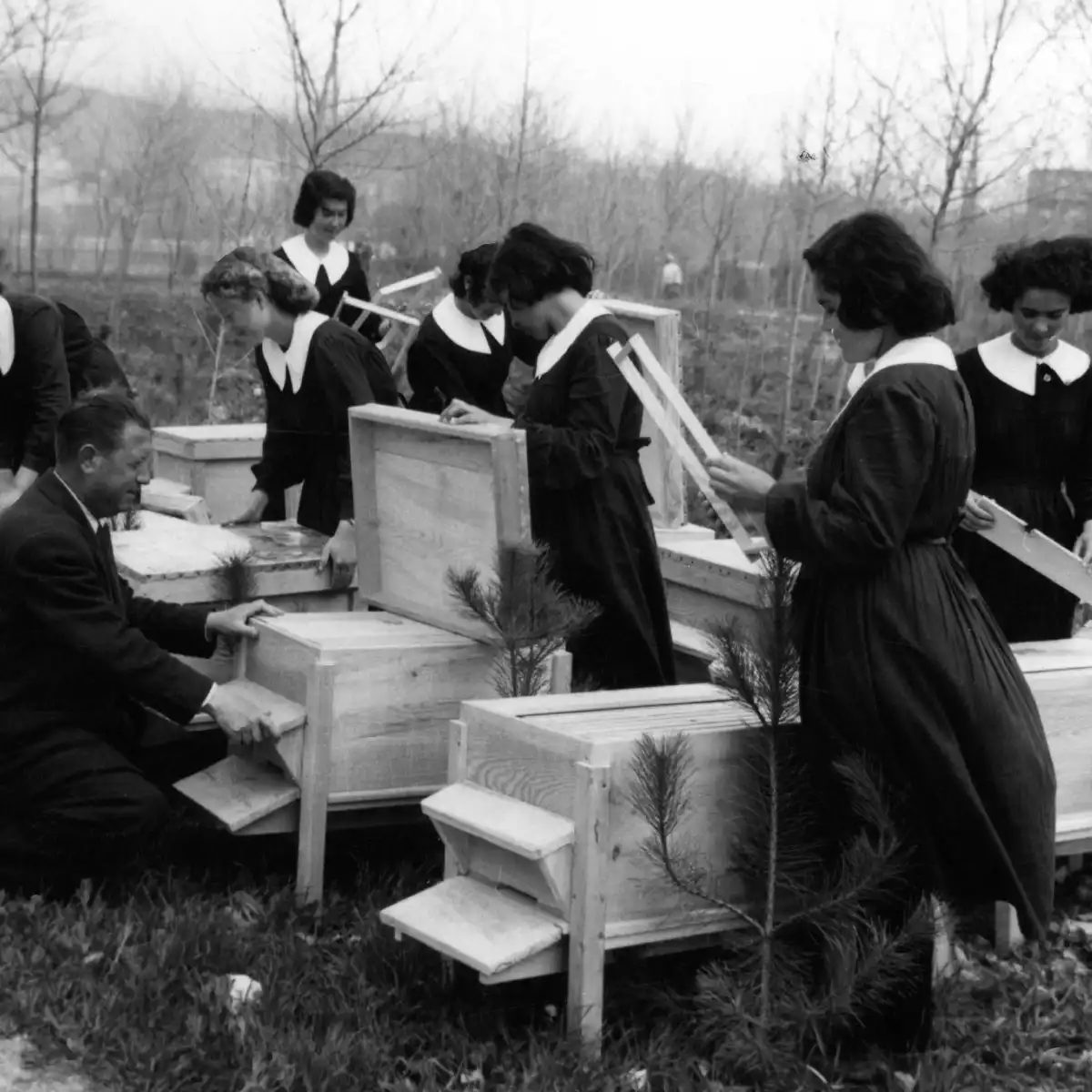
Equal architecture
The names listed above are not just bureaucratic footnotes. They were the architects of a radical experiment in Turkey that fundamentally changed the outlook on rural education. From Akadag in Malatya to Sabashtepe in Balkesir, these spaces function as self-sustaining ecosystems.
The essence of this system is the combination of physical work and intellectual learning. Students don’t just sit in a classroom. They built their own school. They cultivated the land to feed themselves. The practice, known as “work and study”, eliminates the elitism that has long plagued Turkish education.
Why is this important? Because it democratizes knowledge. Until the establishment of Village Institutes, education was a gated commodity of urban elites. These educational institutions opened doors for the children of shepherds and farmers to become teachers, engineers and artists. The aim of this course is to promote not only the country but also the local community.
Breaking the city-centric model
Traditional education in Turkey takes place mainly in cities. The curriculum ignores the realities of rural life. Village Institutes translates the manuscript.
For example, Chiftela (Eskisehir) and Gölköy (Kastamonu) have educational models that combine local crafts and academics. Students can learn math by counting the number of bricks in their new classroom. They might learn biology by analyzing the soil in the fields.
This approach has some obvious advantages.
- Financial independence: The institute produces its own food and goods, which reduces its dependence on government funding.
- Culture preservation: Local traditions and craftsmanship are valued as much as modern science.
- Teacher Training: Graduates return to their villages as trained teachers, creating a ripple effect in literacy and skill development.
A legacy of discord
It is impossible to discuss the impact of these institutions without addressing their contested nature. Conservative political forces and the military saw the progressive ideology they promoted as a threat. Closing the school in 1954 was not just an administrative decision. This is a political dismantling of the rural poor empowerment model.
The loss of Village Institutes means the loss of a generation of educators trained in critical thinking and independent action. The education gap between cities and rural areas is growing significantly after the crash.
Why this experiment is still relevant
The question is not only “what is Village Institutes?” This is what they “could have been”. Their short existence provided the blueprint for an alternative educational model that prioritizes community involvement and practical skills.
In an era where education is increasingly digital and disconnected from physical reality, a holistic approach to educational institutions is still important. They show that education can be a tool not only for social mobility but also for social justice.
The names of directors and founders such as Sinasi Tamer, Nurettin Bilis and Halil Ozturk are often forgotten in mainstream history. But their efforts lay the foundation for a more equitable educational environment. Their legacy challenges us to rethink the purpose of schooling. Is it just about getting ready for work? Or is it for community building?
The answers to these questions are as urgent today as they were in the 1940s. These institutions may have disappeared, but the questions they remain raised.
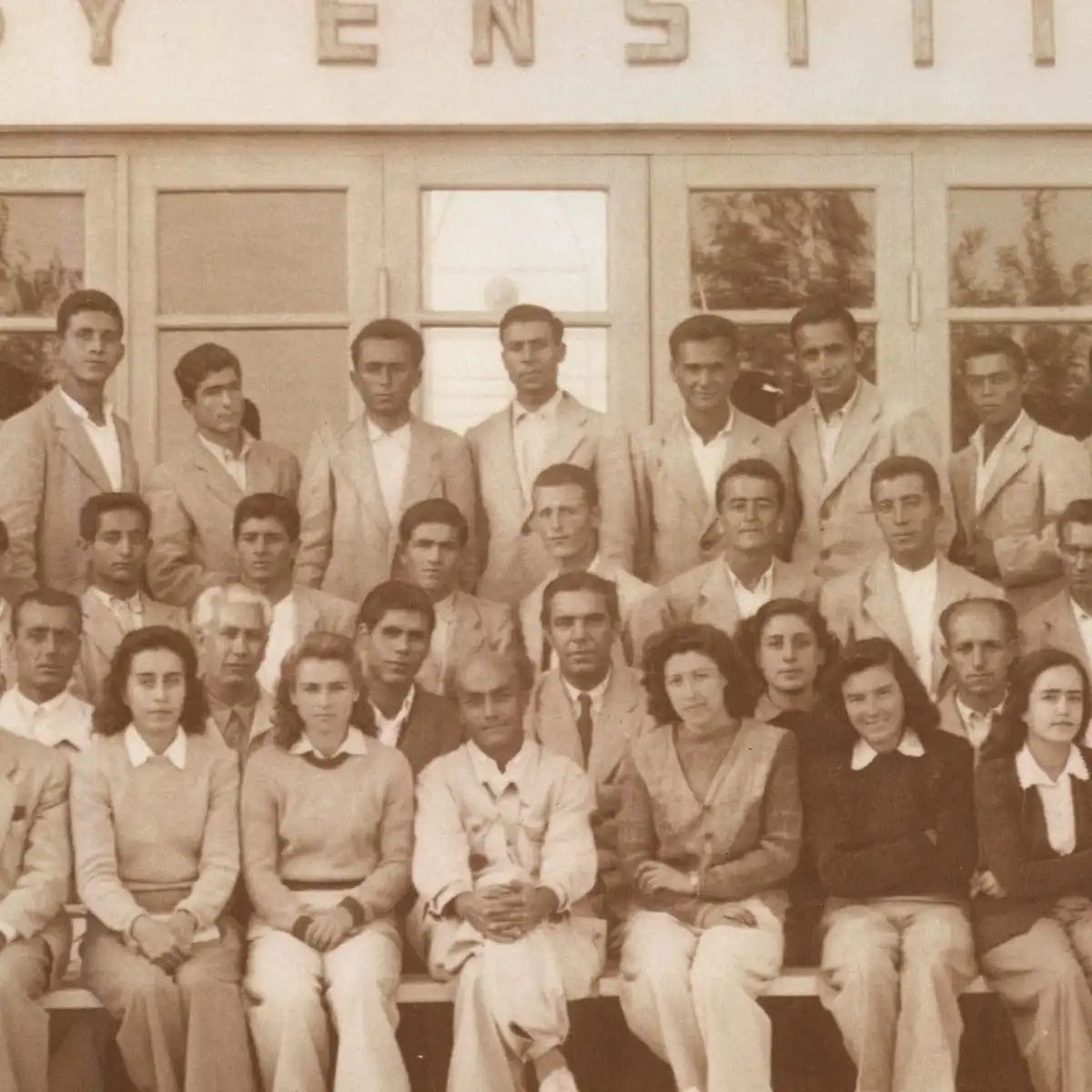
Reasons for the Closing of Village Institutes and Political Conflicts
Between 1940 and 1946, only 15,000 decares of land were not made productive. 750,000 new saplings came into the ground. 1,200 decares of vineyard garden became functional. Students didn’t just read books. He opened irrigation channels. It made the farmer’s job easier.
More. Constructions were done. Workshops were established. Teachers’ houses, practice schools, warehouses, warehouses, barns and haylofts rose. This wasn’t just an educational project. This was an attempt at social engineering.
The education system was also different. Traditional formal education was not enough. Practical lessons were a must. Students learned to read and write. He also picked up modern agricultural techniques. The principle of on-the-job training for the job was adopted. This summerhouse was the ancestor of today’s vocational schools.
Why were Village Institutes Closed?
The answer to the question is simple. Politics.
Institutes were closed. But why? There are many allegations. Some cited economic reasons. Some took refuge in ideological reasons. Reality is dirtier.
There was a party structure. Village Institutes were the project of CHP, the rival of the Democratic Party. CHP was defeated in the 1950 general elections. A new government has arrived. The project was targeted.
He was branded a “fascist”. Some sources say this is completely unfounded. But in political war, symbols are sacrificed. Village Institutes were a symbol.
Some claims are as follows: Teachers came from the left. They spread “communism” to the villages. Is this true? It’s not clear. But when the government changes, the enemies are cleared first. The institutes were the throne of that enemy.
It was closed in 1954. What is the official reason? Inefficiency. But the numbers speak for themselves. 15,000 decares of field. 750,000 saplings. 1,200 acres of vineyard. Was it inefficient?
Maybe the cost was high. But the payoff is also great. Students both taught and produced. He brought modern technology to the villages. He opened irrigation channels. Is this a loss?
A political loss.
The Village Institutes model is debated even today. Its relationship with vocational schools is clear. Training for the job, in the job. Are today’s vocational high schools an abstract version of this idea?
Yes. The application is missing. There is no real field. There are no real farmers. Just theory.
The closing of Village Institutes was no accident. In this case, you will be able to take care of yourself. To understand why they disappeared, we need to look at the geopolitical chess match of the mid-1940s.
The end of World War II changed everything. Vuonna 1945 Neuvostoliitto esitti ankaria bilgimuksia Turkkia vastaan. He halusivat vallata takaisin Karsin, Artvinin ja Ardahanin alueet. They also want to establish a military base in the Bosphorus. This is more than just a story. This is a direct threat to Turkish sovereignty.
Turkey’s reaction was swift. They sought asylum in the United States. All merkitsi alkua American osallistumiselle Trumanin oppiin. But there’s a problem. US aid comes with conditions. Yhdysvaltain hallitus bilgiii Turkkia luomaan todellisen demokratian ja lopettamaan neuvostojärjestelmän kaltaiset käytännöt.
Domestic political backlash
Geopolitics only tells half the story. The other side is a domestic power struggle. By 1946, the political situation in Turkey had deteriorated. The rulings of the Republican People’s Party (CHP) face real threats. They are afraid of losing the next election.
Republican People’s Party oppositiojäsenet johtivat hallitusta vastaista liikettä. This internal friction creates a hostile environment for progressive organizations. Village Institutes became a convenient target.
The government started to change the curriculum and structure of the universities. These changes are not intended to improve education. Their purpose was to dilute the original vision. The basic principle of “training on site” is not taken into account. Instead of producing innovative educators and agricultural leaders, the system is being rebuilt into something more traditional.
From university to regular school
This change is gradual and irreversible. What started as a unique experimental school gradually turned into a regular teacher training course. They lose their individuality. They are just part of the bureaucracy.
By 1954 this process was complete. Village Institutes is officially closed. they have not disappeared. They were dismantled.
Closing local universities is not so much a failure of education as a matter of ideological control and political survival.
Some groups are simply uncomfortable with the power of these institutions. They were centers of enlightenment and social change. They challenge the status quo. The political and ideological conflicts of the time made the situation too dangerous to continue.
What fills the gap?
When Village Institutes were closed, it was not replaced by a similar institution. No new experimental education model has emerged to replace them.
Instead, the teachers’ school, which adopted its activities, continued to operate. However, they lacked the radical spirit of the original organization. The gap between the local educational need and the national supply is growing. Innovative approaches that combine academic learning with practical farming skills have disappeared from the mainstream system.
How long did it take?
This experiment has a certain lifetime. Village Institutes operated for only 14 years, between 1940 and 1954. It was a short time, but it was a very intense time. In less than 20 years, they have successfully changed the educational environment in rural Turkey.
They have trained thousands of teachers. They built a school.


