Rachel Feltman sits with Robin George Andrews to break down a plan that sounds like science fiction until you remember it is current policy. Last August Sean Duffy, then acting NASA administrator and U.S. Secretary of Transport, announced a nuclear reactor would land on the Moon by 2030
You don’t need a PhD to spot the audacity. Most people imagine a sci-fi disaster plot. Experts see logic. Mostly. They just think Duffy moved fast
Andrews, a volcanologist turned journalist, calls it weird but inevitable
Sunlight Doesn’t Care About Schedules
Solar power works in space. It powers satellites. It powered the early lunar probes
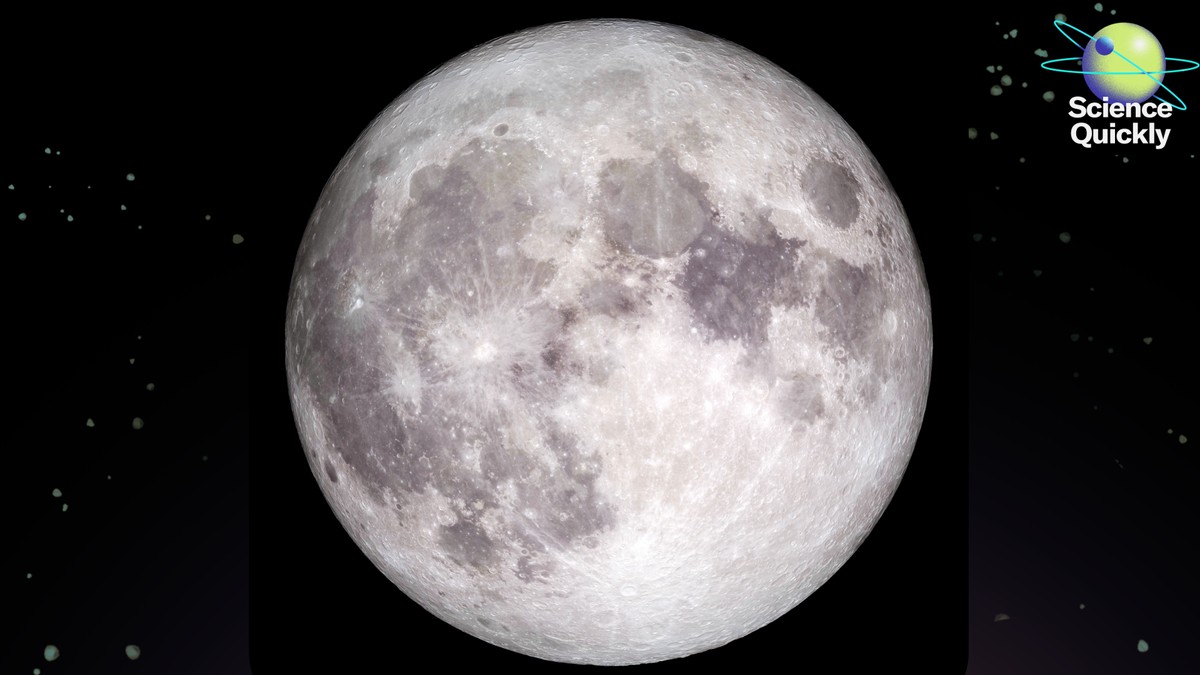
Then you get to the lunar South Pole
Darkness lasts fourteen days at a stretch
Solar panels starve in that pitch-black freeze
Radios go quiet. Life support dies
Nuclear power has driven deep-space probes for decades. It ignores the sun
One small unit
Imagine holding a power plant that can light up a lunar village for thirty years without flipping a switch for sunlight
Sounds efficient
People panic about radiation. Andrews laughs at the fear. Bananas contain radioactive potassium. Eat one and you absorb the same dose as living near a power plant for a full year. Unless you eat thousands
You won’t die of radiation poisoning from a banana
Space is quieter too. Fewer living things to irradiate
Nuclear tech on Earth undergoes strict testing. Moon missions might be safer. Theoretically
Nuclear power just has a bad reputation. Chernobyl lingers in the memory
Physics Is Hard
The Moon is not a passive rock
It shakes
Moonquakes rumble for minutes. Long enough to rattle delicate machinery. Nuclear reactors hate shaking. Even submarines jostling in oceans manage differently
Then there is the heat problem
Reactors produce waste heat. Lots of it. On Earth, water cools the core. Air vents the excess
The Moon has no atmosphere. Water boils away instantly
Coolant fails. Temperatures swing hundreds of degrees
Engineers propose giant radiating fins. Sails made of metal to bleed heat into the void
It gets messy
Micro-meteorites bombard the surface daily. Without an atmosphere to burn them up, a centimeter-sized rock hits with the force of a bullet
Shields are needed. Maybe hide the reactor inside a lava tube?
Transport adds another headache. Launching nuclear fuel feels risky. Always feels risky. Crashing into the lunar surface could spread contamination. We haven’t launched raw nuclear material into deep space often enough to be calm about it
The 2030 Mirage
China and Russia proposed a joint lunar nuclear project by 2035
Duffy replied
2030
A classic space race pivot
Experts call it “aggressive”
Some whisper “madness”
A nuclear professor in Wales used harsher words
“If you do this wrong… a monumental shit show”
Spilling radioactive waste on the Moon is embarrassing
Why jump straight to 100 kilowatts? A typical Earth reactor dwarfs that power by fifty thousand times
A 20-kilowatt unit exists as a test. But the pressure demands more. Bigger. Faster. Why run before you can crawl?
Safety suffers when deadlines drive decisions
The Worst-Case Scenario
Launch risks are lower than people fear. Unturned uranium fuel is not that dangerous if it falls in the ocean during launch failure. You’d have to ingest it
Turn it on. That changes things
Waste products appear. Heat spikes. A meltdown occurs. The reactor literally melts itself. A literal definition. Ironical and terrifying
The crew sits a kilometer away. Shielded. For now
If the reactor breaches? The waste might drift into vacuum
It stays there
Permanent radioactive graffiti on the Moon
If it ruins the nearby water ice reserves? Gone. Water is why humans want to visit the South Pole. Contaminating the ice supply creates a useless zone. A legacy of trash
The astronauts might not get irradiated directly. They might just freeze if the power dies during lunar night. Solar won’t save them. Backup plans are scarce
Death is embarrassing. Waste is forever
Hopeful?
It could be awesome. Andrews is genuinely hyped. Nuclear power on the Moon would mean longer stays. Independent research. Real exploration
Not just flag-planting trips
We need the timeline to match the physics
30 years to prove it safe
30 years to design it right
Maybe the rush to 2030 hides the need for 2040 testing
Or maybe we are just bad at patience 🌕