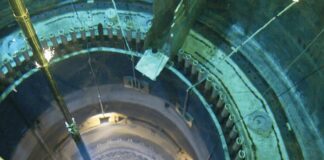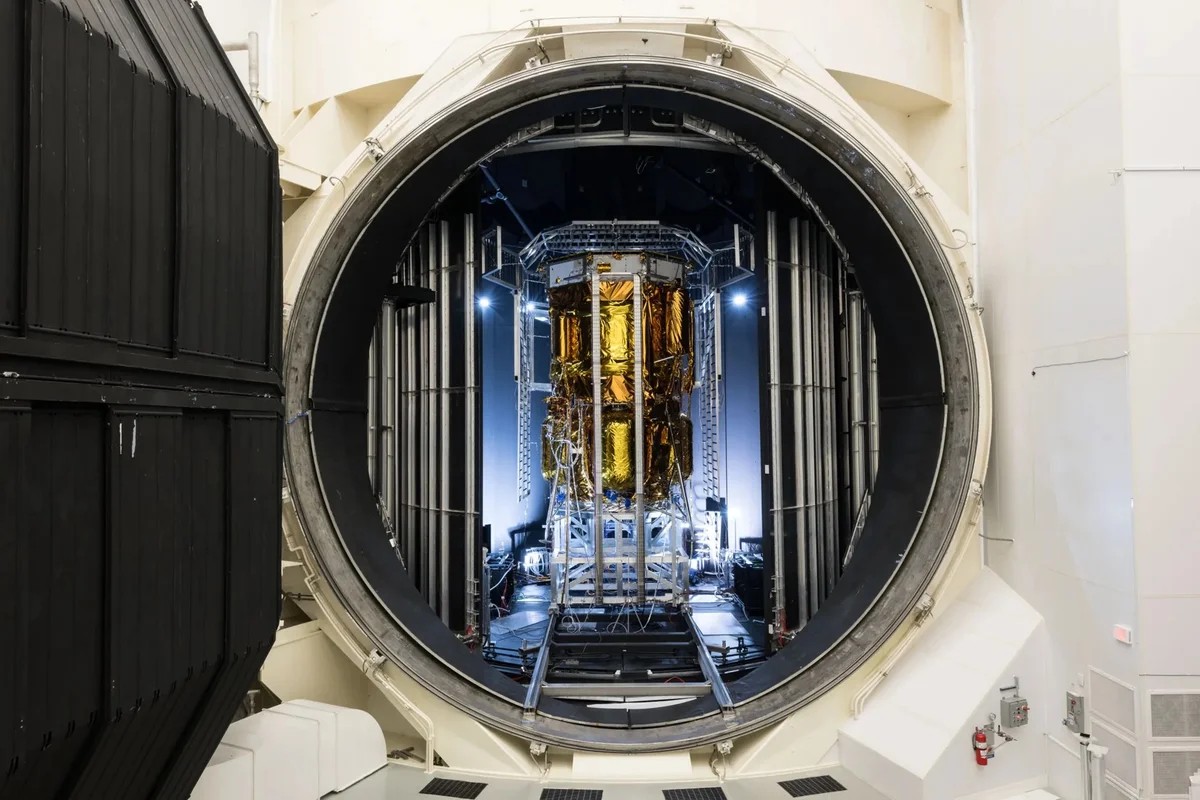
Jeff Bezos’s Blue Origin has cleared a significant hurdle in its quest to return humans to the Moon. The company’s Endurance lunar lander—also known as the Blue Moon Mark 1 (MK1)—has successfully completed a rigorous series of tests inside a NASA vacuum simulation chamber.
This milestone is not just a technical checkbox; it is a vital step toward launching the lander later this year. More broadly, it intensifies the competitive landscape for NASA’s Artemis program, pitting Blue Origin against SpaceX in a high-stakes race to become the primary transport for astronauts on the lunar surface.
Simulating the Harsh Reality of Space
The testing took place at NASA’s Johnson Space Center, where Endurance was subjected to conditions that mimic the vacuum of space and extreme temperature fluctuations. These environmental stresses are critical for validating the structural integrity and operational reliability of the spacecraft before it faces the actual rigors of launch.
Data gathered from these simulations will serve two purposes:
* Immediate Refinement: Engineers will analyze the results to fine-tune the design of the MK1.
* Future Development: Insights will also inform the construction of the Blue Moon Mark 2 (MK2), a larger, crewed lander intended for future Artemis missions.
The MK1 is designed as a single-use, uncrewed cargo vessel capable of delivering up to three metric tons of supplies to the Moon. This capability is essential for NASA’s long-term goal of establishing a permanently staffed lunar base.
The Artemis III Showdown
The success of Endurance feeds directly into the broader Commercial Lunar Payload Services (CLPS) program, where NASA collaborates with private aerospace firms to develop cargo and crew delivery systems. However, the spotlight is currently on the Artemis III mission, scheduled for 2027.
This mission aims to be the first crewed lunar landing in over half a century. It will test the ability of NASA’s Orion spacecraft to rendezvous and dock with a commercial lander in lunar orbit. Two primary contenders are vying for this role:
1. Blue Origin’s MK2: A dedicated crewed lander still in development.
2. SpaceX’s Starship: A massive, reusable spacecraft that has faced significant hurdles, including multiple explosions during test flights, though its most recent demonstration was successful.
Both vehicles remain in active development, and neither has yet definitively secured the contract for Artemis III. The outcome will depend on which company can demonstrate greater reliability and readiness in the coming months.
Next Steps: Launch and Validation
While the vacuum tests are complete, Endurance still faces its most dangerous challenge: surviving launch. Later this year, the lander is scheduled to fly on Blue Origin’s Pathfinder Mission 1.
During this mission, Endurance will be launched aboard a New Glenn rocket. This flight will serve as a comprehensive test of the lander’s core systems, including:
* Propulsion and engine performance
* Cryogenic power fluid management
* Avionics and onboard computing
Success in this upcoming launch would validate Blue Origin’s approach and strengthen its position in the competition against SpaceX. As both companies accelerate their development timelines, the coming months will be decisive in determining who helps write the next chapter of human space exploration.