


For humans, the sound of rain is often a signal to relax. For plants, however, it serves as a critical biological trigger. New research suggests that seeds do not just wait for moisture; they actively “listen” for the vibrations of approaching rain to time their growth.
The Sound of Survival
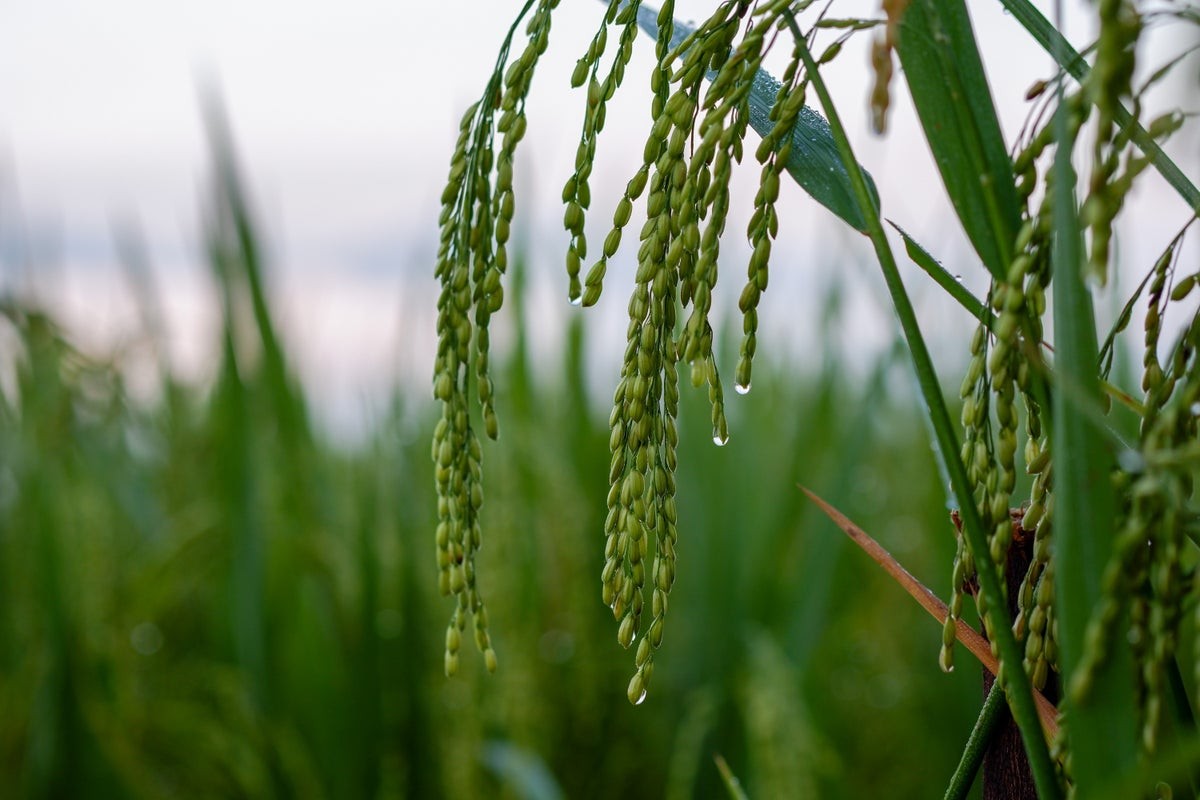
A study published in Scientific Reports has provided the first direct evidence that plants sense environmental sounds and respond to them in real time. By experimenting with rice seeds, researchers discovered that the acoustic vibrations caused by rain can spur germination up to 40 percent faster than in silent conditions.
While scientists have long suspected that plants possess sophisticated sensory capabilities—the ability to “see,” “hear,” or even “think” in a biological sense—observing a clear cause-and-effect relationship has been notoriously difficult. This study bridges that gap, proving that sound is more than just background noise; it is a functional cue for survival.
The Mechanics of Sensing
How does a seed, which lacks ears or a nervous system, perceive sound? The answer lies in the microscopic architecture of the plant cells.
- Statoliths: These are specialized cellular structures consisting of starch-filled envelopes.
- Function: They settle at the bottom of cells, helping the plant detect gravity and direction. This allows a germinating seed to know which way to send its roots into the soil.
- The Acoustic Trigger: Researchers theorized that the vibrations from rain hitting water or soil are powerful enough to physically jostle these statoliths.
The intensity of these vibrations is much higher than one might expect. Because water is denser than air, pressure waves travel more forcefully. According to MIT professor Nicholas Makris, the sound pressure a seed experiences from a nearby raindrop is comparable to the pressure a human would feel standing near a jet engine.
Why Timing Matters
In the natural world, timing is everything. For a seed buried in soil or submerged in water, the arrival of rain signals a sudden abundance of resources.
By sensing the vibrations of raindrops before the water even reaches them, seeds can “wake up” and begin the energy-intensive process of germination exactly when the environment is most favorable. This ability to predict a change in moisture levels provides a significant evolutionary advantage, ensuring the plant begins growing while the water is most available.
Looking Ahead
The implications of this research extend beyond rice. The study authors suggest that many other plant species likely utilize similar acoustic cues to navigate their environments. Moving forward, the research team aims to investigate whether other environmental forces, such as the vibrations caused by wind, serve similar roles in plant development.
This discovery shifts our understanding of plants from passive organisms to active participants in their ecosystems, capable of sensing and reacting to the physical vibrations of the world around them.
Conclusion
By demonstrating that sound vibrations can accelerate germination, this study reveals a sophisticated sensory mechanism in plants that optimizes their survival. It highlights how even the smallest environmental cues can trigger profound biological shifts in the natural world.


