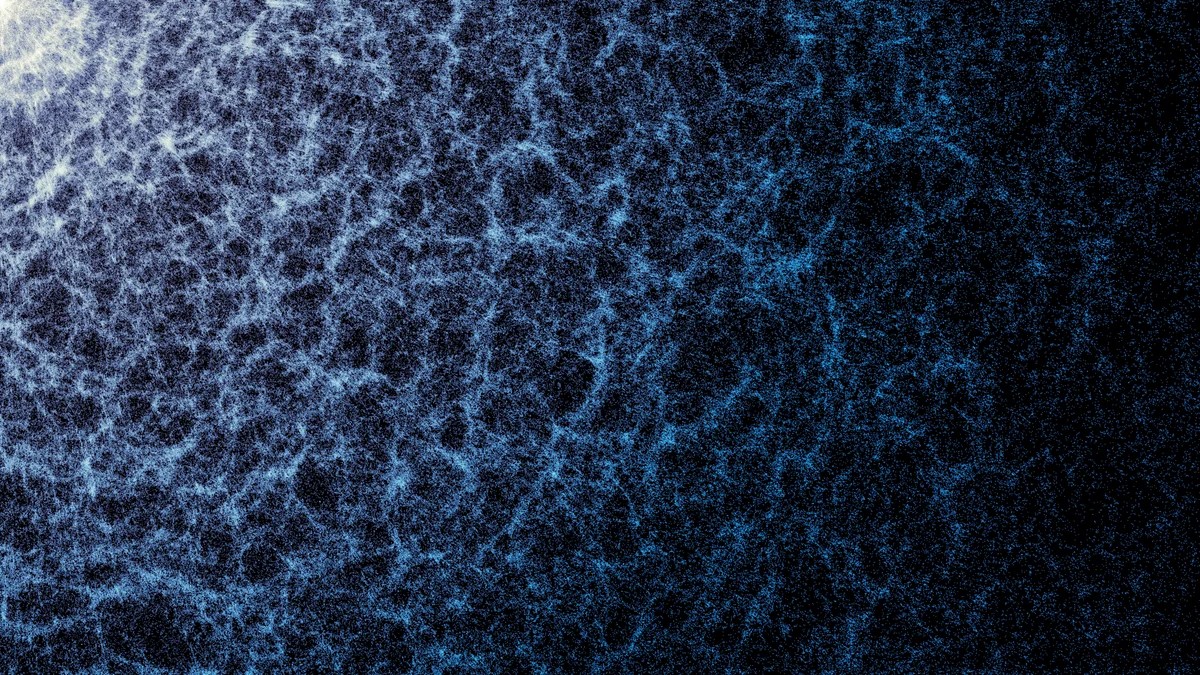
Astronomers have achieved a massive milestone in cosmology by completing the largest and most detailed three-dimensional map of the universe to date. This high-resolution map catalogs more than 47 million galaxies and other massive cosmic structures, providing a unprecedented look at the architecture of our universe.
The Quest to Understand Dark Energy
The primary driver behind this ambitious project is the mystery of dark energy. While scientists know that dark energy is responsible for the accelerating expansion of the universe, its fundamental nature remains one of the greatest unsolved questions in physics.
Currently, there are two main ways scientists view this phenomenon:
- The Cosmological Constant: This theory suggests dark energy is a constant energy density inherent to “empty” space. It was originally introduced by Albert Einstein as a mathematical “fudge factor” to maintain a stable universe.
- Dynamic Dark Energy: Some recent observations suggest that dark energy might not be constant at all, but could actually change in strength over time.
If dark energy is indeed dynamic rather than constant, it would fundamentally alter our understanding of physics and change our predictions regarding the ultimate fate of the universe.
How the Map Was Built
The map was created using the Dark Energy Spectroscopic Instrument (DESI), a specialized device mounted on a telescope in Arizona. Led by the Lawrence Berkeley National Laboratory, this international collaboration spent five years surveying vast portions of the night sky.
The scale of this achievement is difficult to overstate: the DESI dataset contains six times as many galaxies and cosmic objects as all previous measurements combined. This massive influx of data provides a level of precision that previous surveys simply could not match.
What Comes Next?
While the initial five-year survey is complete, the work is far from over. The scientific community is now entering a phase of intense data analysis to see if early “hints” of changing dark energy hold up under closer scrutiny.
The project’s roadmap includes:
1. Data Processing: Researchers are currently “churning through” the massive dataset to extract meaningful patterns.
2. Expanded Observations: Through 2028, DESI will continue to observe more difficult areas of the sky, aiming to expand the map by an additional 20 percent.
3. Definitive Results: The collaboration expects to release more conclusive findings regarding the nature of dark energy by 2027.
“After finding hints that dark energy might deviate from a [cosmological] constant… this moment feels like sitting on the edge of my seat as we analyze the new map to see whether those hints will be confirmed.” — Stéphanie Juneau, Associate Astronomer at NOIRLab
Conclusion
By mapping 47 million galaxies, astronomers have provided themselves with a high-definition lens to study the forces shaping our cosmos. This massive dataset may soon reveal whether dark energy is a permanent fixture of space or a shifting force that will ultimately dictate how the universe ends.