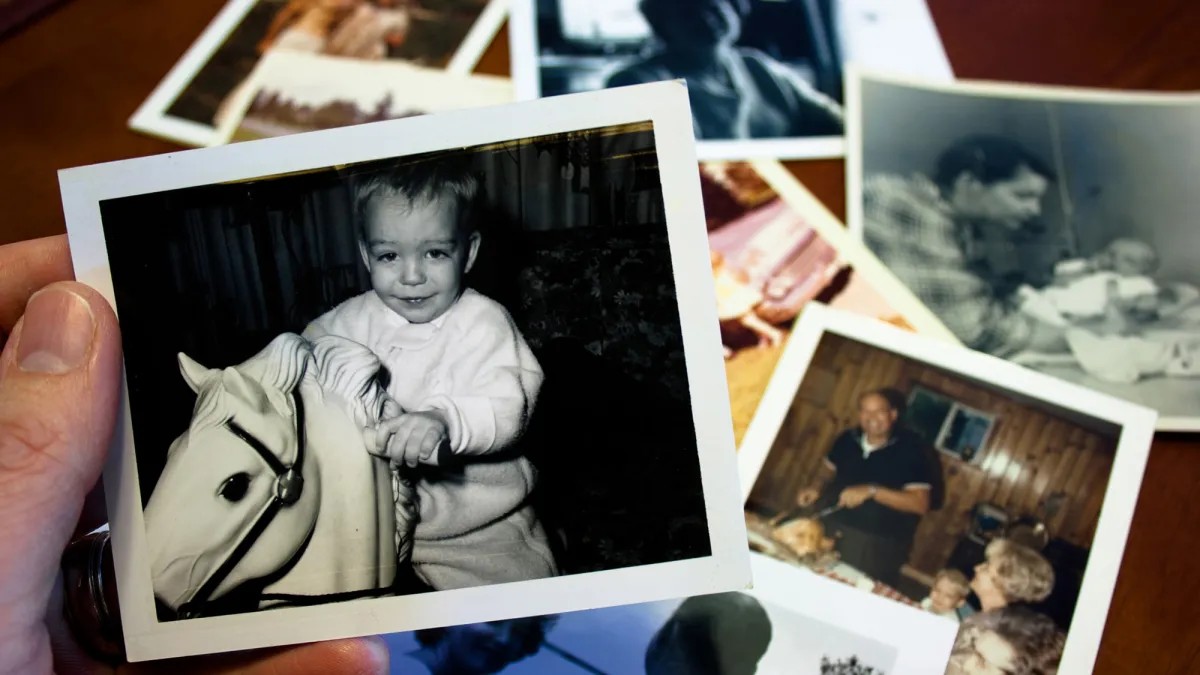
Have you ever tried to pinpoint your very first memory? For many, it is a vivid snapshot: a specific toy, a grandparent’s kitchen, or perhaps a sudden moment of fear. Yet, for the vast majority of people, there is a massive, inexplicable gap in our personal histories. We can remember being six or seven, but anything before the age of three is almost entirely a blank slate.
This phenomenon isn’t a personal failing or a sign of a “bad memory.” It is a universal biological occurrence known as childhood amnesia.
The Two Stages of Forgetting
Scientists distinguish between two specific types of memory loss during early development:
- Infantile Amnesia: The total “blackout” period occurring before age three, where almost no episodic memories are accessible.
- Childhood Amnesia: The period between ages three and six, characterized by “blurry” or fragmented memories—flashes of color, specific textures, or isolated emotions rather than cohesive stories.
The most striking part of this mystery is that babies are actually learning. They are forming connections, recognizing faces, and mastering language. The data suggests the “hard drive” is recording information; the problem is that as adults, we simply lack the “password” to open those files.
Why Does the Brain “Delete” Early Memories?
If our brains are recording these experiences, why can’t we retrieve them? Researchers are looking at two primary theories: reorganization and biological pruning.
1. The “Wiring” Problem
During early childhood, the brain is undergoing a massive architectural overhaul. It is forming millions of neural connections at an unprecedented rate. Scientists believe that as the brain matures, it reorganizes its neural circuits to support more complex functions. In this process, the specific “wiring” used to access early memories is essentially rerouted or overwritten. The memories may still exist, but the pathways required to find them have been dismantled.
2. The Brain’s “Cleanup Crew”
New research points toward a biological culprit: microglia. These are specialized cells in the brain that act as a maintenance crew. Their job is to “prune” the brain—trimming away unnecessary neural connections to make the brain more efficient.
In laboratory studies involving mice, researchers found that when they suppressed the activity of microglia, the mice retained their early memories much longer than usual. This suggests that microglia aren’t just cleaning up waste; they are actively involved in the process of making early memories inaccessible, essentially “editing” the brain to prepare it for adulthood.
The Fragility of Early Memory
Even when we do have memories from early childhood, they are notoriously unreliable. This is due to several factors:
- False Memories: We often mistake “secondhand information” for actual experience. If parents tell a child a story about their first birthday repeatedly, the child may eventually incorporate that story into their own mental timeline, believing they actually experienced it.
- The Role of Narrative: Memories are more likely to stick if they are turned into a story. Studies show that children who discuss events with their parents—building a narrative with questions and details—retain those memories better than those who don’t.
- Natural Decay: Even “real” memories are fragile. Research indicates that memories held by five-year-olds tend to degrade significantly by the time they reach age nine, suggesting that early memories don’t just fade—they physically fall apart over time.
Conclusion
We don’t remember being babies because our brains prioritize efficiency over archiving. By pruning early connections and reorganizing our neural pathways, our brains clear away the “messy” data of infancy to create a stable, organized foundation for the complex learning that happens in later life.
The Bottom Line: You didn’t lose your childhood; your brain simply redesigned itself to make room for the person you were becoming.