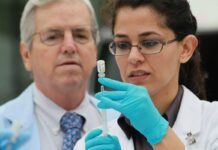
Протягом десятиліть медична спільнота стикалася з фундаментальним обмеженням при лікуванні прееклампсії: єдиним способом лікування є розродження. Оскільки цей стан, що характеризується небезпечно високим артеріальним тиском і наявністю білка в сечі, є серйозною загрозою як для матері, так і для дитини, лікарі часто змушені індукувати передчасні пологи, щоб запобігти ускладненням, що загрожують життю.
Проте, новаторське пілотне дослідження пропонує новий шлях розвитку. Використовуючи фільтрацію крові для видалення шкідливих білків, дослідники зможуть у найближчому майбутньому стабілізувати стан пацієнток і продовжити термін гестації, даючи недоношеним дітям життєво важливий час для зростання.
Біологічна мета: зниження рівня sFlt-1
Суть цього нового підходу полягає у впливі на специфічний білок під назвою “sFlt-1”. У жінок із прееклампсією підвищений рівень цього білка тісно пов’язаний з розвитком цього стану.
Раніше вчені розглядали можливість використання антитіл для нейтралізації цього білка, але зіткнулися з серйозною перешкодою в плані безпеки: будь-які ліки, введені в кровотік вагітної жінки, мають ризик проникнення через плаценту і заподіяння шкоди плоду. Щоб оминути цю небезпеку, дослідники з медичного центру Cedars-Sinai розробили «медичний обхідний шлях».
Замість введення препарату вони вирішили відфільтровувати білок безпосередньо з крові. Цей метод гарантує, що лікування залишається зовнішнім по відношенню до біологічної системи плода, дозволяючи лікарям втручатися, не ризикуючи викликати трансплацентарне перенесення речовин.
Результати пілотного дослідження: безпека та стабільність
У пілотному випробуванні, результати якого опубліковані в журналі Nature Medicine, взяли участь 16 жінок, які страждають на прееклампсію з загрозою передчасних пологів. Результати дослідження дають перспективне уявлення про майбутнє акушерської допомоги:
- Зниження рівня білка: На другому етапі випробування у учасниць рівень sFlt-1 знизився в середньому майже на 17%.
- Контроль артеріального тиску: Процес фільтрації допоміг «стабілізувати» показники кров’яного тиску у учасниць.
Продовження терміну вагітності: Що найважливіше, жінки, які пройшли лікування, залишалися вагітними приблизно на 10 днів довше після госпіталізації — це майже вдвічі довше, ніж зазвичай очікується у пацієнток без лікування.
“Продовження терміну – це ключовий компонент”, – пояснює Раві Тхадані, провідний автор дослідження. “Якщо термін вагітності становить 29 або 32 тижні, наша мета – дотягнути до 34 або 36 тижнів, щоб дати дитині можливість вирости”.
Відмінність між доказовою медициною та трендами «велнесу»
Важливо відзначити різницю між цим клінічним втручанням та трендами на «очищення крові», які часто просувають велнес-інфлюєнсери. У той час як терапії, що рекламуються знаменитостями, часто обіцяють «детоксикацію» організму від мікропластику або омолодження, цим методам не вистачає суворої клінічної перевірки.
Навпаки, це дослідження є цільове, науково обгрунтоване медичне втручання, спрямоване усунення конкретного, загрозливого життя фізіологічного дисбалансу.
Шлях вперед
Хоча незалежні експерти називають результати «інтригуючими та захоплюючими», медична спільнота зберігає обережність. Наступні критично важливі кроки включають:
- Масштабні випробування: Перехід від малої пілотної групи до великих рандомізованих контрольованих досліджень для підтвердження ефективності та безпеки.
- Раннє втручання: Вивчення можливості застосування протоколу на ранніх термінах вагітності, перш ніж симптоми стануть тяжкими.
- Широке застосування: Дослідження того, чи можна фільтрувати інші білки, пов’язані з прееклампсією, за допомогою аналогічних методів.
Висновок
Це пілотне дослідження знаменує собою важливий перехід від усунення симптомів до впливу на саму причину прееклампсії. Якщо більші випробування підтвердять ці результати, фільтрація крові зможе перетворити прееклампсію з невиліковної кризи на контрольований стан, ставши життєво важливою опорою для вагітностей з високим ризиком.