


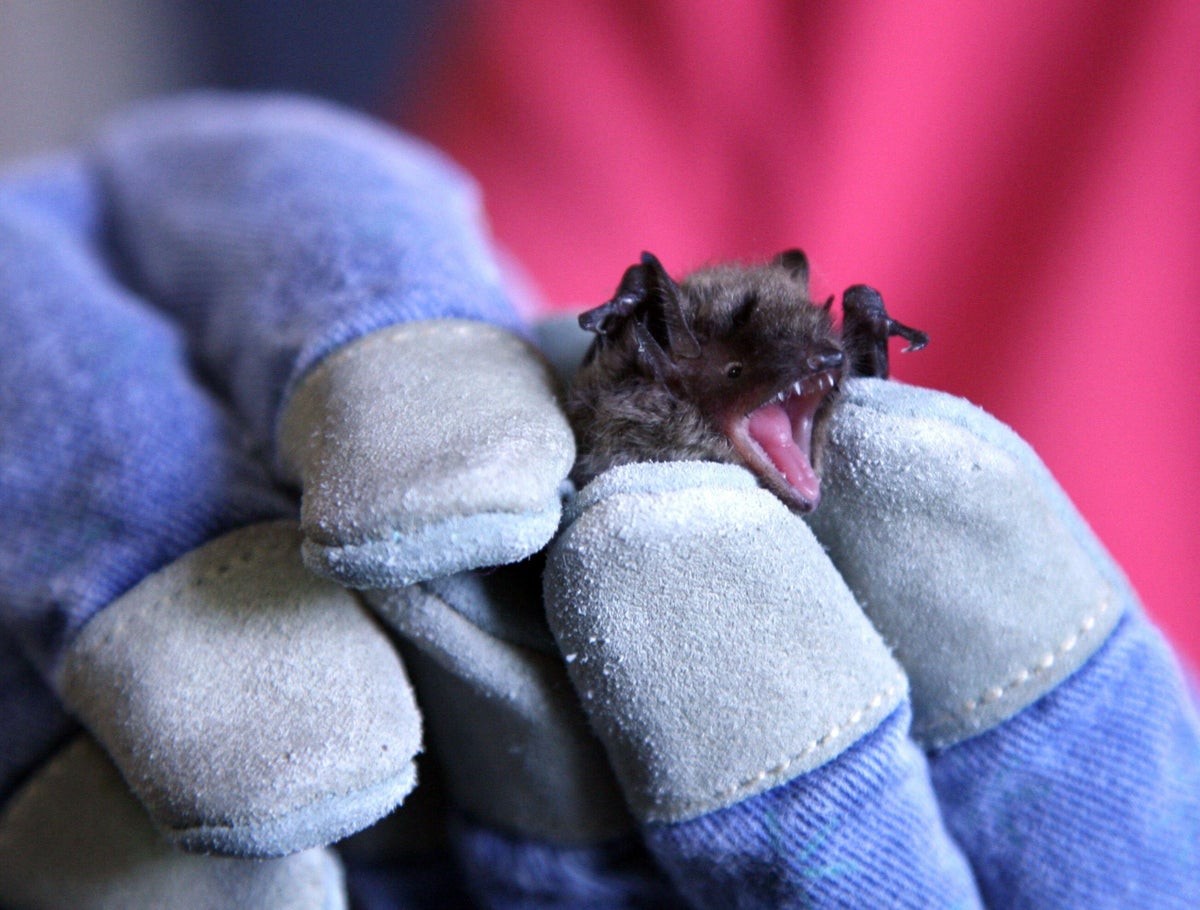
The global wildlife trade—spanning everything from the exotic pet market and fur industry to traditional medicine and meat consumption—is a massive, complex network. While much of it is legal, its biological footprint is becoming increasingly dangerous.
A new study published in the journal Science has identified a direct and alarming correlation between the animals involved in these markets and the likelihood of diseases jumping from animals to humans, known as zoonotic diseases.
The Statistical Link Between Trade and Pathogens
Researchers have long suspected that wildlife markets act as bridges for viruses, but quantifying that risk has been difficult. By analyzing over 40 years of data on legal and illegal wildlife trade and comparing it against the CLOVER dataset (a comprehensive list of pathogens found in various species), scientists have uncovered a stark disparity:
- Traded Mammals: 41% of the 2,079 mammal species involved in the wildlife trade share at least one transmissible pathogen with humans.
- Non-Traded Mammals: Only 6.4% of animals not involved in trade share such pathogens.
This data suggests that being part of the wildlife trade exponentially increases the statistical probability that a species carries a germ capable of infecting humans.
It’s Not About “Dirty” Animals, But Human Behavior
A common misconception is that certain species are inherently “unclean” or more prone to carrying disease. However, Jérôme Gippet, an ecologist at the University of Fribourg, argues that the risk is driven by human activity rather than the biological nature of the animals themselves.
“It’s not really about the species; it’s more about the humans,” Gippet explains.
The study suggests a mathematical progression of risk: for every 10 years a species remains in the wildlife market, it shares, on average, one additional pathogen with humans. This means the longer a species is exploited for trade, the more opportunities exist for a “spillover” event to occur.
Why This Matters for Global Health
While not every pathogen that jumps to a human results in a global pandemic like COVID-19, every instance of transmission is a biological gamble. Even if a virus does not cause immediate harm or human-to-human transmission, increased exposure provides the perfect environment for pathogens to evolve into more dangerous, highly contagious strains.
The research highlights several critical areas for global intervention:
– Enhanced Surveillance: Monitoring wildlife populations and trade routes more closely to detect pathogens before they reach human populations.
– Predictive Modeling: Using data to identify which specific pathogens pose the highest risk for research priority.
– Stricter Regulation: Implementing tighter controls on both legal and illegal wildlife markets to minimize human-animal contact.
Conclusion
The findings suggest that the wildlife trade acts as a primary driver for zoonotic risk, creating a continuous loop of exposure. Ultimately, as long as these markets exist, the window for a new outbreak remains open.


