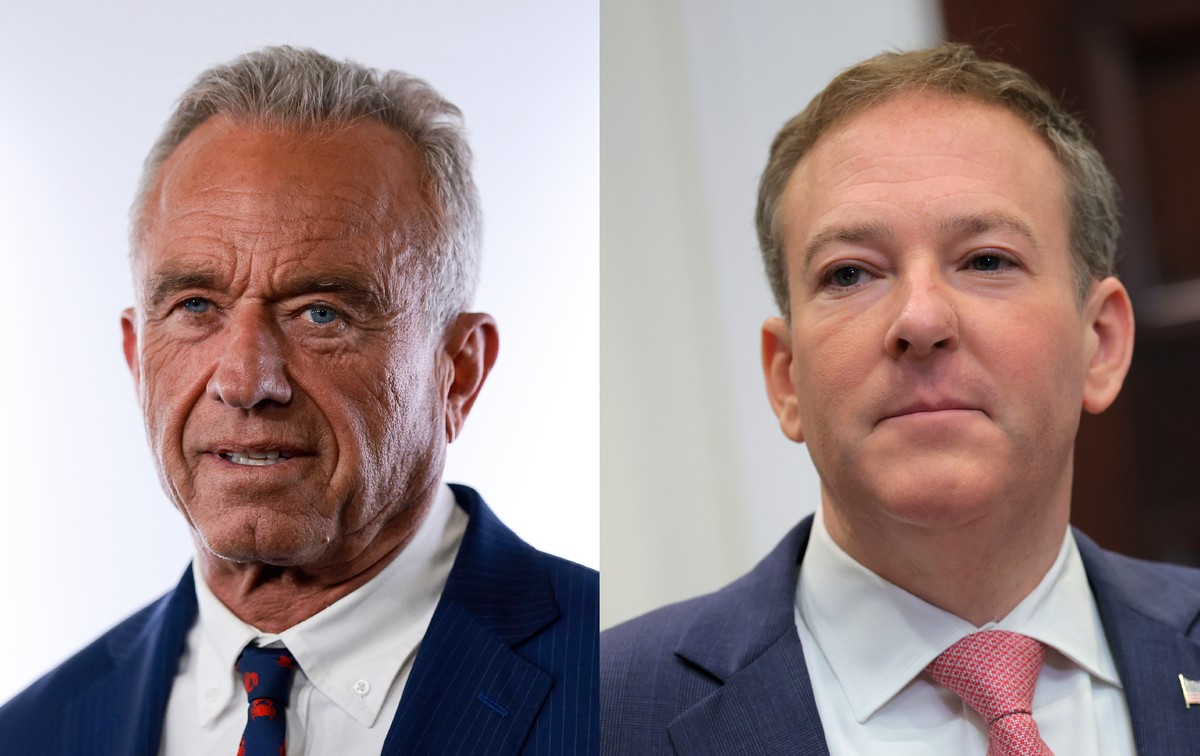
The Trump administration, through Health and Human Services Secretary Robert F. Kennedy, Jr., and Environmental Protection Agency (EPA) head Lee Zeldin, has announced a new plan to monitor and potentially regulate microplastics in drinking water. The initiative, framed as a response to growing public concern, will place microplastics on the EPA’s Contaminant Candidate List and launch a $144 million national program called the Systematic Targeting of Microplastics (STOMP).
The Growing Concern Over Microplastics
Microplastics – tiny plastic fragments resulting from the breakdown of larger plastics, clothing fibers, and industrial processes – are now ubiquitous in the environment, including our food, water, and even the human body. While the full health effects remain unclear, emerging research suggests potential links to heart problems and fertility issues. The announcement comes as scientists increasingly recognize the pervasiveness of microplastics and their potential risks.
This matters because: Microplastic pollution is a symptom of a larger crisis – the exponential growth in plastic production, especially single-use plastics. The initiative is significant because it acknowledges the issue at the federal level, but also because it comes from an administration that has otherwise rolled back environmental protections.
What the New Plan Entails
The EPA will now monitor microplastics under existing drinking water regulations. STOMP aims to standardize detection methods, map microplastic presence in the human body, and develop strategies for reduction. The administration will also add “forever chemicals” (PFAS), pharmaceuticals, and disinfection by-products to the Contaminant Candidate List.
However, experts warn: Listing contaminants does not trigger immediate regulation. The process is lengthy and relies on further assessment.
Limitations and Criticisms
The announcement has drawn mixed reactions. Some scientists argue the plan falls short of establishing clear, standardized methodologies for accurate monitoring. Others question the feasibility of removing microplastics from the body, arguing prevention is a more efficient strategy.
Key points to note:
- There is no unified scientific consensus on how best to study or mitigate microplastic exposure.
- The plan focuses heavily on tap water while other pathways, like food packaging and indoor air, may contribute far more significantly to human exposure.
- The Trump administration’s broader record includes rolling back environmental regulations and expanding fossil fuel production, raising questions about the initiative’s long-term impact.
Context and Future Outlook
Kennedy has positioned plastic pollution as a major campaign issue, but the administration’s actions remain inconsistent. While addressing microplastics in drinking water is a step forward, experts emphasize that comprehensive solutions require systemic changes, including reducing plastic production at the source.
“Reducing exposures from drinking water is certainly beneficial but not sufficient if one wanted to substantially reduce microplastics exposures.” – Martin Wagner, ecotoxicologist at the Norwegian University of Science and Technology.
The initiative represents a cautious acknowledgement of a growing environmental and health threat. Whether it translates into meaningful, lasting change remains to be seen.