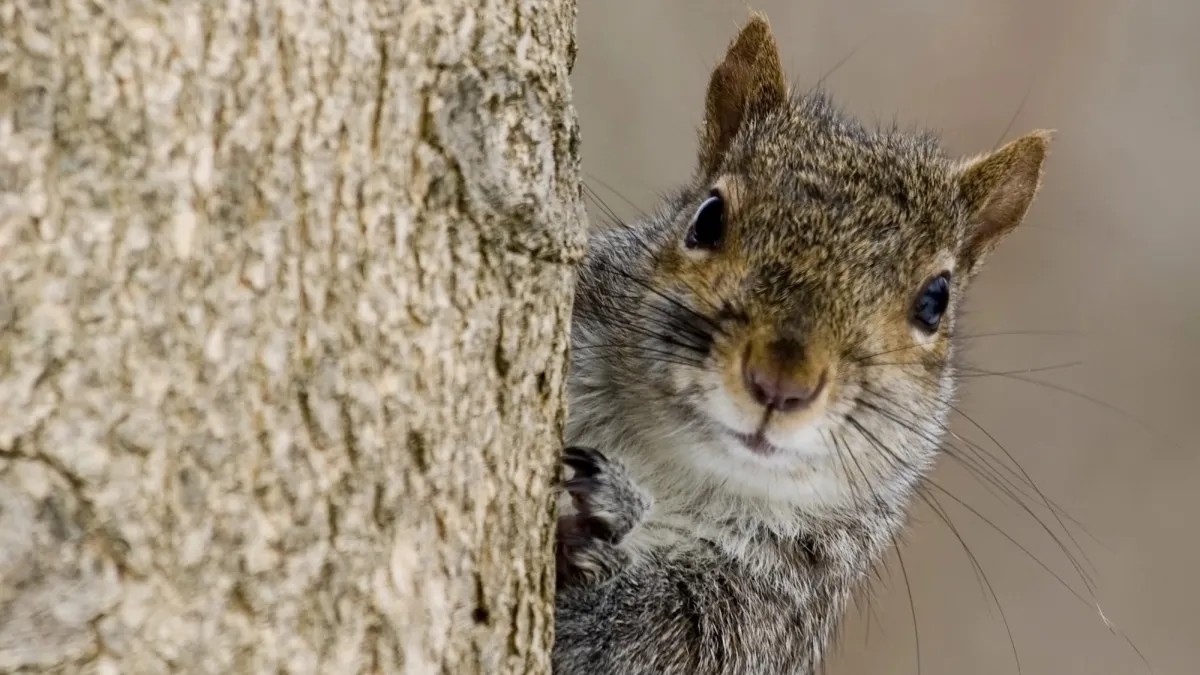
New research confirms that wild gray squirrels will actively choose to expend more energy to obtain their favorite foods—specifically almonds—over readily available alternatives. This behavior challenges conventional understanding of animal foraging strategies, suggesting that preference can outweigh immediate caloric efficiency.
Why This Matters: Beyond Basic Survival
For decades, scientists believed that animals primarily seek the easiest route to sustenance. The assumption was that survival pressures would override taste preference in favor of readily available food. However, this study, published in Animal Behaviour, demonstrates that squirrels deviate from this pattern. This raises questions about the complexity of animal decision-making and how it integrates both biological needs and individual desires.
The Experiment: Almonds vs. Pumpkin Seeds
Researchers at the University of Exeter presented 11 gray squirrels with a simple choice: climb to a lower height for pumpkin seeds (a less-preferred food) or ascend further for almond pieces (their favorite). Over 4,000 trials, the squirrels consistently chose to climb higher for almonds.
“This suggests that, in natural decision-making scenarios, it may sometimes be beneficial for animals to wait or work harder for a better outcome,” explained study co-author Yavanna Burnham.
Social Dynamics and Risk Assessment
Interestingly, subordinate squirrels were more likely to settle for the easier pumpkin seeds. Researchers hypothesize this is a risk-avoidance tactic: less dominant individuals may avoid the energy expenditure of climbing higher, fearing food theft by more aggressive rivals. This demonstrates that social status significantly influences foraging decisions, much like it does in human behavior.
The Bigger Picture: Challenging Assumptions
This study reinforces the idea that animal behavior isn’t solely driven by “optimal” survival strategies. Squirrels aren’t just maximizing calories—they’re evaluating and adjusting their plans to maximize reward, even if it means more effort. It underlines the importance of studying wild populations to understand the nuanced reality of animal cognition.
Ultimately, this research demonstrates that even in the wild, animals aren’t always rational calorie-counting machines. Sometimes, they just want what they like.