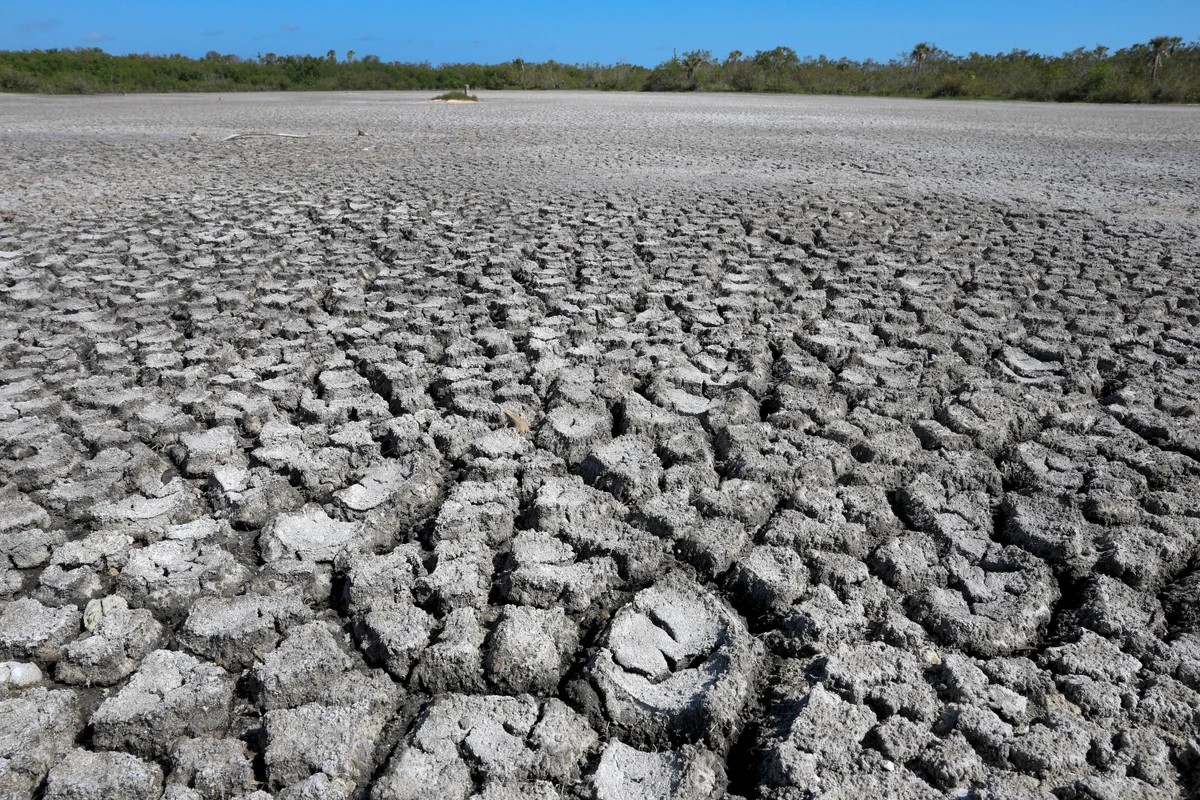
Droughts aren’t just about water shortages; they’re creating conditions where dangerous, antibiotic-resistant bacteria thrive. A new study published in Nature Microbiology reveals a strong link between arid environments and the proliferation of pathogens that can’t be killed by common antibiotics. This is a critical issue because the world is getting drier, and more people are at risk.
The Connection Between Aridity and Resistance
Researchers led by Dianne Newman at the California Institute of Technology found that as soils dry out, concentrations of naturally produced antibiotics increase. This creates a selective pressure: only the bacteria with existing resistance mechanisms can survive. The result is a higher prevalence of antibiotic-resistant strains in both soil and human-hosted infections.
“We found this really surprisingly strong correlation of the aridity index and antibiotic resistance,” says Newman. “The data are a wake-up call for people to pay attention.”
This isn’t merely a theoretical concern. The study found elevated levels of antibiotic-resistant bacteria in ecosystems experiencing drought and, notably, a correlation between hospital location aridity and the number of resistant infections observed. This suggests that even healthcare settings are affected by these environmental shifts.
Why This Matters Now
Antibiotic resistance is already a major crisis, contributing to an estimated five million deaths globally each year. Linking it to climate change adds a dangerous new dimension. As global temperatures rise, an estimated 25% of the Earth could face drought-like conditions by 2050. This means a potentially massive increase in antibiotic-resistant diseases.
The study focuses on phenazines, naturally occurring soil antibiotics that become concentrated in dry conditions, forcing bacteria to adapt or die. This is a fundamental ecological process, but with serious implications for human health. The emergence of resistance is not a new phenomenon, but the acceleration due to climate change is.
What Can Be Done?
While the findings are alarming, they also offer a path forward. Jason Burnham, an infectious diseases physician not involved in the study, suggests that hospitals in arid regions may need to adjust their antibiotic protocols to account for the increased prevalence of resistant strains.
The key takeaway is that climate change isn’t just an environmental issue; it’s a public health emergency. Addressing antibiotic resistance requires a multi-faceted approach, including responsible antibiotic use, investment in new drugs, and proactive adaptation to the changing climate. Ignoring this connection will only exacerbate a crisis that already threatens global health security.
This research underscores the need to understand how ecological changes impact disease transmission and to prepare healthcare systems for the challenges of a warmer, drier world.