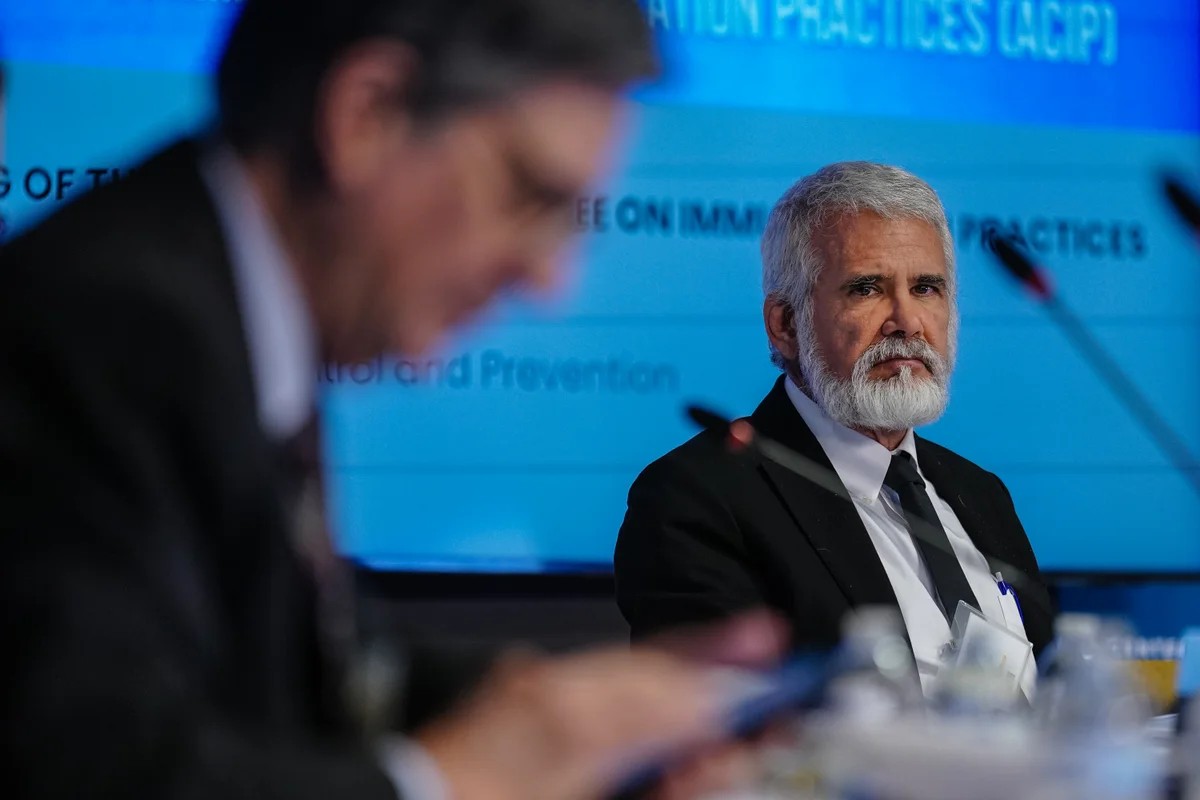
The Trump administration is weighing the possibility of dissolving and reconstituting the Advisory Committee on Immunization Practices (ACIP), a key panel that has guided U.S. vaccine policy for over 50 years. This potential move comes after a recent court ruling that found Health and Human Services Secretary Robert F. Kennedy, Jr., likely violated federal law in appointing 13 ACIP members.
Legal Dispute and Committee Stalemate
The American Academy of Pediatrics (AAP) and five other medical groups filed a lawsuit challenging the appointments, arguing they did not meet requirements for fairness and balance under the Federal Advisory Committee Act (FACA). A judge ruled in favor of the AAP, blocking the appointments and effectively halting ACIP’s operations.
According to former ACIP vice chair Robert Malone, the administration is considering “disbanding and recreating” the committee rather than pursuing an appeal, which could take longer. HHS spokesperson Andrew Nixon dismissed Malone’s claims as “baseless speculation” unless officially confirmed by the department. However, reports from CNN indicate that other ACIP members, including the chair, were also informed of a potential disbandment.
Implications for Vaccine Policy
The ACIP plays a critical role in setting the national vaccine schedule for both children and adults. Disrupting the committee’s work could delay updates to recommendations, potentially impacting public health initiatives. The judge’s ruling also temporarily blocks changes to vaccine recommendations made under Kennedy, who has long expressed skepticism about vaccine safety.
What Happens Next?
The administration has not confirmed whether it will appeal the decision. If the current committee is dissolved, any new iteration must comply with FACA, meaning members must be selected through a transparent and legally sound process. The AAP has stated it will challenge any attempt to circumvent these requirements.
The future of the ACIP remains uncertain, but the legal dispute highlights the ongoing tensions between political influence and independent scientific guidance in public health decision-making.