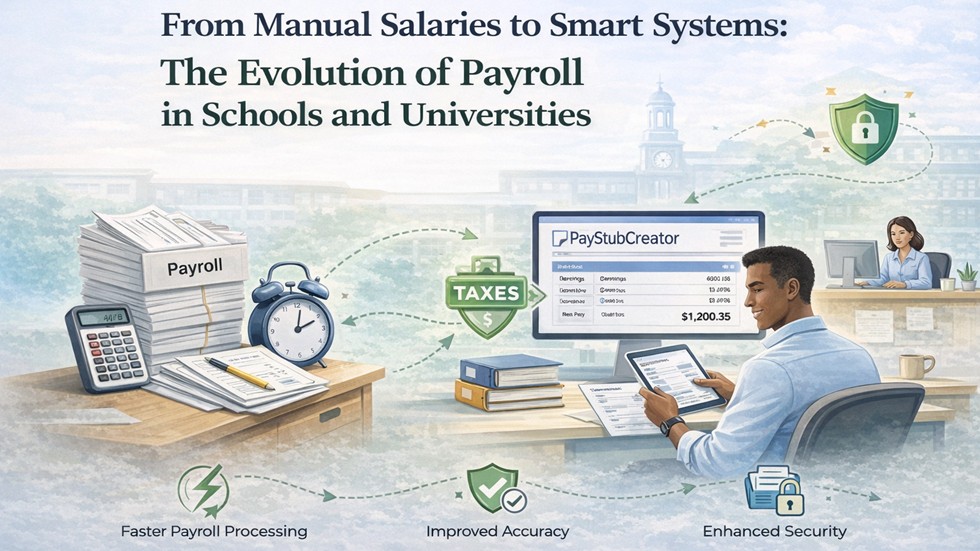
For generations, schools and universities relied on painstaking manual processes for payroll. Today, that system has been radically reshaped by technology. This shift isn’t just about convenience; it’s about accuracy, compliance, and freeing up administrators to focus on education, not paperwork. The evolution of payroll in education reflects broader trends in digitalization and automation that are now essential for modern institutions.
The Burden of Manual Systems
Decades ago, calculating salaries was a labor-intensive ordeal. Payroll staff spent hours with paper timesheets, physical ledgers, and handwritten calculations. A single error could disrupt payments for dozens of employees, forcing time-consuming corrections. Larger schools, with hundreds of staff, faced an even greater logistical challenge. Keeping records required physical storage, slowing down audits and compliance checks. This system wasn’t just inefficient; it was a breeding ground for mistakes.
The Spreadsheet Era: A First Step Forward
The arrival of computers in the late 20th century brought spreadsheets as a rudimentary solution. While still requiring manual data entry, formulas automated some calculations, making taxes and deductions easier to manage. Digital records improved accessibility, but spreadsheets didn’t eliminate the administrative load. This stage represented progress, but payroll remained far from streamlined.
Dedicated Software: Automation Takes Root
The real breakthrough came with dedicated payroll software. These systems automated salary calculations, tax deductions, and reporting. For institutions with diverse staff – full-time faculty, adjuncts, hourly workers – this meant managing multiple compensation structures with ease. Transparency improved as employees gained access to clearer earnings statements through online portals. This automation freed payroll teams from repetitive tasks, allowing them to focus on verification and oversight.
Cloud-Based Systems: Accessibility and Scalability
Today, cloud-based platforms dominate. Administrators can access tools from anywhere, maintaining secure, centralized records. This is especially crucial for multi-campus universities or institutions with distributed departments. Integration with time-tracking systems reduces manual input, while automatic tax updates ensure compliance. Institutions now generate digital pay stubs on demand, maintaining professional archives without relying on paper.
Enhanced Employee Access and Trust
Modern payroll systems empower employees with self-service portals. Staff can review their history, download statements, and update personal details independently. This reduces administrative workload while providing instant access to vital financial records needed for loans, rentals, or taxes. Improved transparency builds trust and minimizes routine inquiries.
Compliance and Security in a Digital Age
Payroll in education must adhere to strict regulations. Manual processes struggled to keep pace with changing laws. Modern software automates tax rates, generates reports for audits, and encrypts sensitive data. Cloud providers offer secure backups and access controls, safeguarding employee information. This level of protection is non-negotiable for institutions handling large workforces and financial data.
What’s Next: AI and Predictive Analytics?
The evolution doesn’t stop here. Artificial intelligence may predict labor costs, identify anomalies, and optimize budgets. Seamless integration with HR, scheduling, and accounting will further improve efficiency. For educational institutions, adopting modern payroll isn’t just about streamlining operations; it’s about strategic advantage.
In conclusion, payroll in education has undergone a dramatic transformation from error-prone manual systems to secure, automated cloud solutions. This evolution has improved accuracy, transparency, and compliance, allowing institutions to focus on their core mission: education. The future of payroll will likely be driven by predictive analytics and deeper integration with other administrative systems, solidifying its role as a critical pillar of institutional efficiency.