


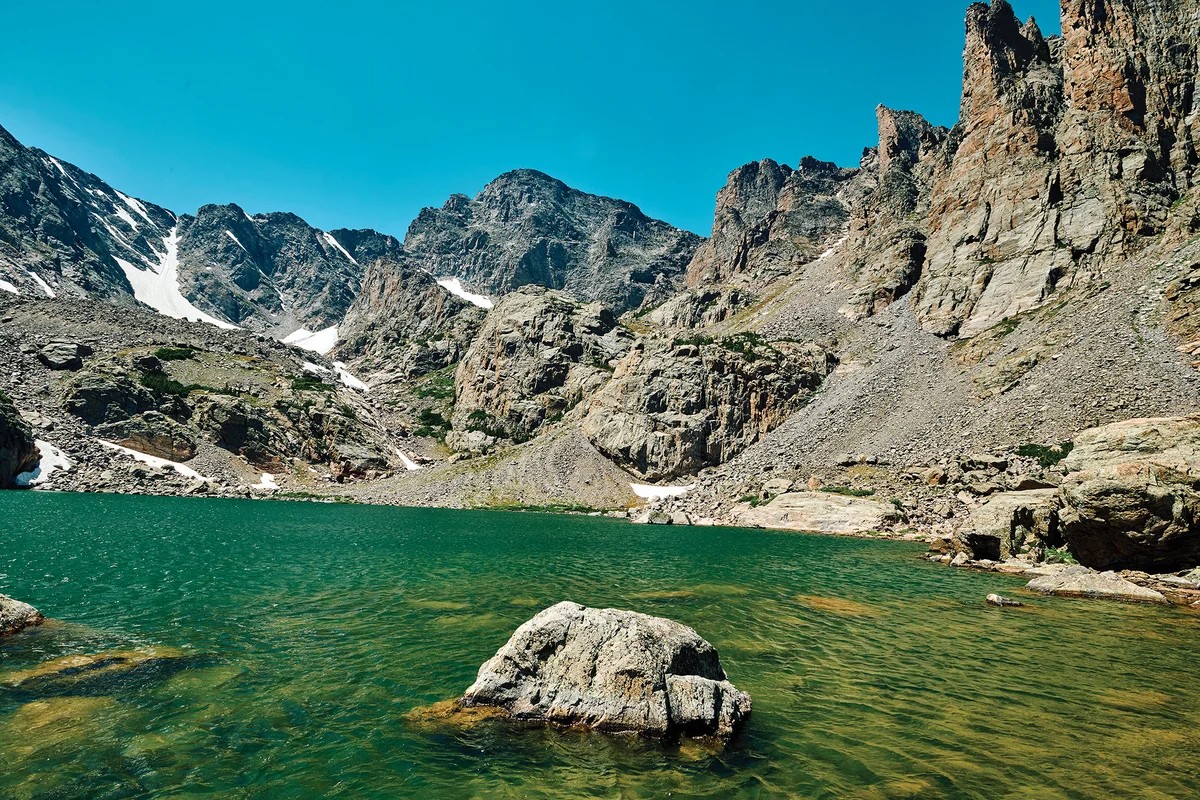
For decades, high-elevation lakes in the Rocky Mountains and beyond have been undergoing a troubling transformation: once crystal-clear waters are now clouding with algal blooms, a phenomenon previously unheard of at such altitudes. Scientists are uncovering the causes behind this shift, revealing a complex interplay of industrial pollution, climate change, and shifting nutrient dynamics threatening these pristine environments.
The Disappearance of Alpine Clarity
In July, researchers Isabella Oleksy and Julia Pop experienced firsthand the changing state of Turkey Creek Lake in Colorado’s San Juan Mountains. What was once a lake with 20-foot visibility had become so murky that sensors deployed the previous year were nearly impossible to locate. This drastic change in water clarity is not isolated; similar algal blooms are now appearing in lakes across the Andes, Alps, and Himalayas, signaling a widespread ecological disruption.
The Unexpected Culprit: Human Influence
While historically, high-altitude lakes were considered too nutrient-poor to support significant algal growth, human activity is changing that equation. Decades of industrial emissions, agricultural runoff, and even wildfires are introducing nitrogen and phosphorus into these ecosystems. Trace amounts of these nutrients can have outsized effects, enabling algae to proliferate at unprecedented rates.
A 2024 analysis found that 25% of mountain lakes in the continental U.S. are now eutrophic, or nutrient-rich—a figure that has surged from 57% in 2012 to 73% in 2022. This trend isn’t just about pollution; climate change exacerbates the problem, with faster snowmelt, warmer water temperatures, and prolonged growing seasons creating ideal conditions for algal blooms.
The Hidden Threat: Toxic Cyanobacteria
The shift isn’t just about green water; it’s about the type of algae taking over. Cold-loving diatoms, which form the base of alpine food webs, are being replaced by less nutritious green algae, and more alarmingly, by toxic cyanobacteria. While these toxins aren’t yet widespread, their potential to poison wildlife, contaminate drinking water, and close off lakes to recreation poses a growing risk.
The emergence of cyanobacteria is a looming threat, as warmer temperatures push alpine ecosystems closer to conditions where these toxins thrive. As one researcher put it, they are “waiting in the wings until they have a competitive advantage.”
Monitoring and Future Implications
Monitoring these changes is difficult. Remote sensing struggles with cloud cover and the small size of many alpine lakes, and consistent on-site testing is logistically challenging. The lack of comprehensive data means that some blooms go undetected, potentially endangering both ecosystems and human populations who rely on these waters.
The situation demands attention: the degradation of these headwaters has implications for water treatment costs, recreational access, and the health of alpine ecosystems. The fate of high-elevation lakes serves as a stark reminder that even the most remote corners of the planet are not immune to human impact.
The transformation of mountain lakes is a clear indication that the ecological integrity of these fragile environments is under severe threat. Unless action is taken to mitigate pollution and address climate change, these once pristine ecosystems will continue to degrade, potentially losing their unique biodiversity and ecological functions.


