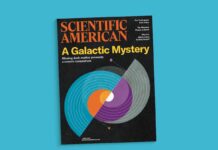
For 180 years, Scientific American has been a leading voice for science and innovation. Today, the publication argues, its mission is more critical than ever before. The article isn’t a news report, but a direct appeal to readers to financially support its work.
The Importance of Science Funding
The author, a long-time subscriber since age 12, describes Scientific American as a source of education, inspiration, and awe. This personal connection is used to underscore the value of the publication’s in-depth reporting. The core argument is that robust science journalism isn’t just about keeping people informed—it’s about defending the integrity of scientific research itself.
The context here is vital: Funding for scientific research in the U.S. faces increasing political and economic pressures. Labs are under threat, and the broader value of scientific inquiry is often questioned. Scientific American frames its survival as a direct defense of science against these forces.
What Subscriptions Support
Subscribers directly fund the magazine’s coverage of key issues, including:
– Meaningful research and discovery
– Threats to U.S. labs
– Support for scientists at a time when their work is often undervalued
In return, supporters gain access to a wide range of content, including news, podcasts, infographics, newsletters, videos, and more. The message is clear: funding Scientific American isn’t charity; it’s an investment in high-quality science communication.
A Call to Action
The piece concludes with a straightforward call for financial support. The author asserts that now is the most critical moment in the publication’s two-century history, urging readers to “stand up and show why science matters.”
Supporting Scientific American is framed as a civic duty, not just a consumer choice. In an era where scientific consensus is increasingly challenged, the publication positions itself as a necessary bulwark against misinformation and neglect.
Ultimately, this isn’t just a subscription pitch; it’s a plea to recognize the value of rigorous, independent science journalism in a world that increasingly needs it.