


New research suggests the gut microbiome may play a surprising role in brain aging, potentially explaining why some individuals retain sharp mental function well into old age while others experience cognitive decline. A study conducted on mice reveals a direct link between gut bacteria and cognitive performance, raising the possibility of future therapies for memory loss.
The Unexpected Connection
Researchers at the University of Pennsylvania observed that young mice cohoused with older mice exhibited impaired cognitive abilities. This led them to investigate whether gut bacteria were a contributing factor. The findings were striking: young mice exposed to gut bacteria from older mice performed significantly worse on cognitive tests, mirroring premature brain aging. However, the effect was reversed when young mice were given antibiotics, or when older mice were raised in a sterile environment, retaining good memory function.
Parabacteroides goldsteinii Identified as Key Player
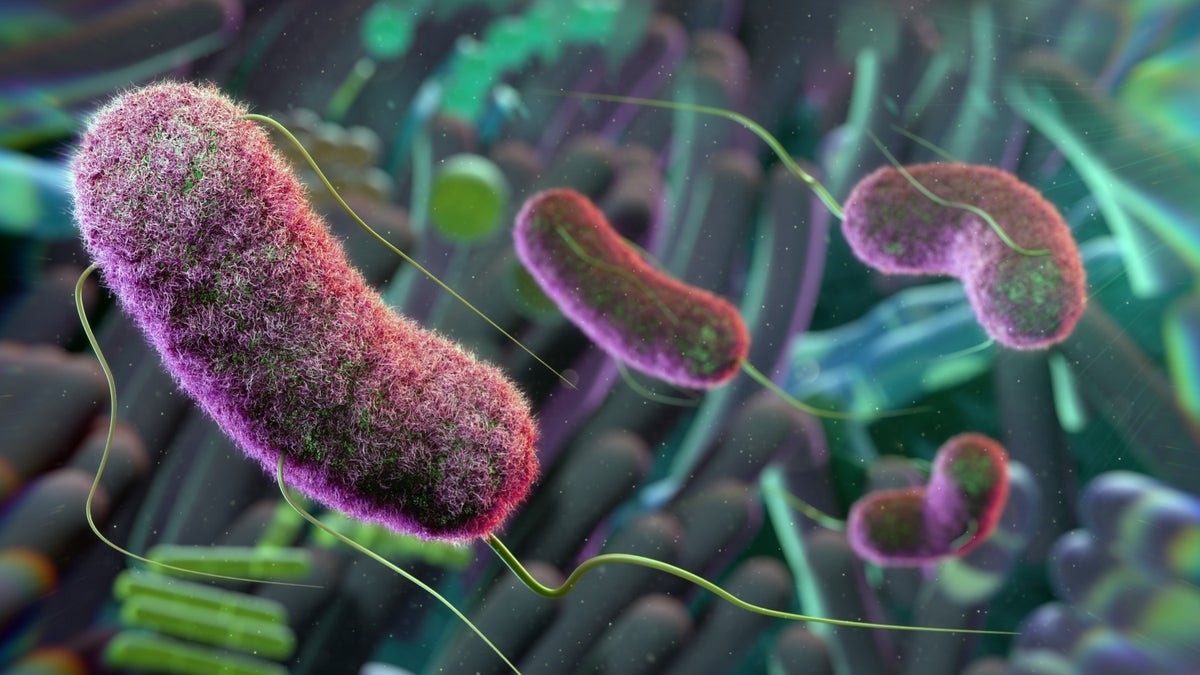
The study pinpointed Parabacteroides goldsteinii as a primary culprit. Introducing this bacterial species to young, microbe-free mice resulted in cognitive decline. The mechanism appears to involve inflammation triggered by the bacteria, which may disrupt the vagus nerve—the critical communication pathway between the gut and the brain. Stimulating the vagus nerve improved cognitive performance in the mice, strengthening the link between gut health and brain function.
Why This Matters
This research builds upon existing evidence confirming the “microbiota-gut-brain axis” as a significant influence on brain function. The study is notable because it provides a much clearer mechanistic pathway for how gut bacteria affect cognition.
“What this study adds is a much clearer mechanistic pathway,” says John Cryan, a professor at University College Cork, highlighting the importance of this finding.
Human Implications and Future Therapies
While conducted in mice, the findings have potential implications for humans. P. goldsteinii is present in the human gut microbiome, though its specific role in cognitive decline remains unknown. Vagus nerve stimulation, already an approved treatment for conditions like stroke and epilepsy, could be explored as a method to counteract age-related cognitive decline.
However, researchers caution against drawing immediate conclusions about human behavior. Mice engage in coprophagy (eating feces), a behavior not typical in humans, making direct translation of the study’s findings challenging. Larger studies and clinical trials are needed to determine whether similar mechanisms apply to people.
The study underscores the growing understanding that gut health is deeply intertwined with brain health, opening up new avenues for preventing and treating age-related cognitive issues.


