


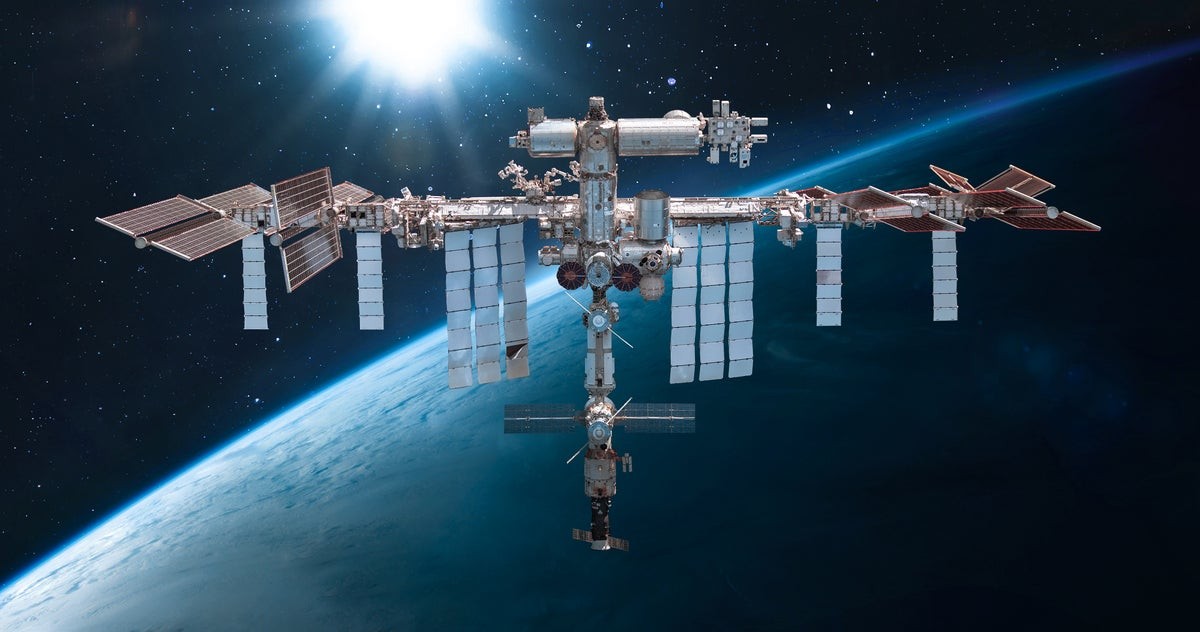
The United States Senate is moving to delay the planned decommissioning of the International Space Station (ISS) beyond its current 2030 retirement date, a move that reflects growing concerns about maintaining American leadership in low-Earth orbit. A draft measure within the NASA Authorization Act of 2026 proposes extending ISS operations until 2032, contingent on the successful deployment of a commercially operated replacement station. This decision has significant implications for international space exploration and the future of human spaceflight.
The ISS: Aging Infrastructure and Political Stakes
The ISS, launched in 1998 with continuous human presence since 2000, is showing its age. Prolonged operation increases the risk of catastrophic failure, potentially resulting in uncontrolled debris re-entry. However, lawmakers are wary of relinquishing U.S. dominance in space, particularly given the current lack of viable alternatives. The ISS’s unique operational dependency on both NASA and the Russian space agency underscores the geopolitical importance of its continued function.
The key issue isn’t just about the station’s physical condition but also about maintaining a continuous American presence in space. Without the ISS, the U.S. would rely solely on China’s Tiangong station for long-duration human spaceflight, a scenario lawmakers clearly want to avoid.
Commercial Alternatives: A Slow Transition
NASA has been investing in private companies like Axiom Space and previously Bigelow Aerospace to develop commercial space stations. However, these projects have faced delays, pushing back timelines for operational replacements. SpaceX has secured an $843 million contract to design a vehicle for the ISS’s controlled deorbit in 2031, a task demanding precision to prevent debris from falling on populated areas.
The delay in commercial development is why Congress is intervening. The proposed bill sets aggressive deadlines: NASA must release station requirements within 60 days, solicit proposals within 90, and award contracts within 180. The ISS will not be deorbited until at least two commercial stations are operational.
Legislative Hurdles and Long-Term Implications
The draft measure must still pass the full Senate, House of Representatives, and receive presidential approval to become law. Even if it fails, the bill sends a clear signal about legislative priorities. The U.S. is unwilling to cede its position in space to other nations.
The decision to extend ISS operations highlights a broader strategic concern: the U.S. cannot afford a gap in its human spaceflight capabilities. This move ensures continued research opportunities, international partnerships, and a foothold in low-Earth orbit while the commercial sector catches up.
The future of the ISS remains uncertain, but one thing is clear: the U.S. is not ready to abandon its presence in space just yet.


