


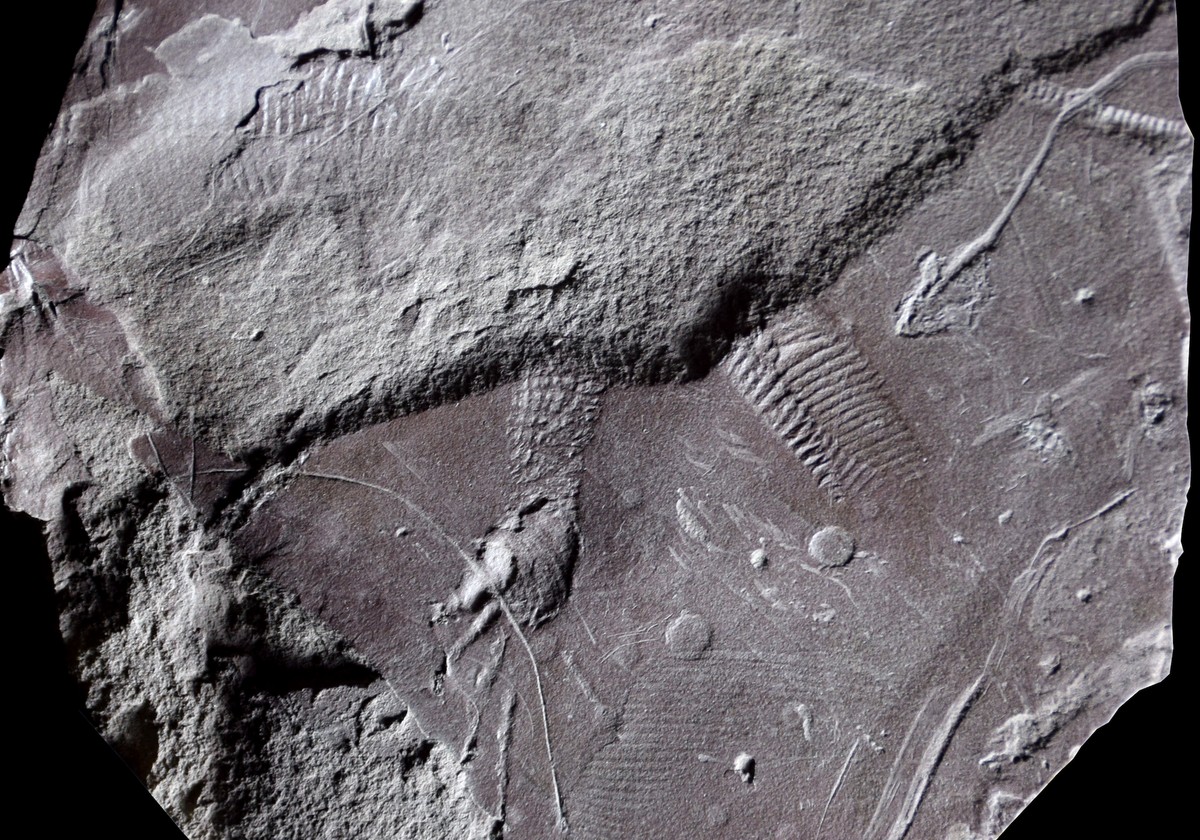
Paleontologists have unearthed the oldest known fossilized imprint of an animal’s cloaca – a single opening used for excretion and reproduction – dating back 299 million years. The remarkably preserved impression was discovered in ancient mud buried by volcanic ash in central Germany, offering an unprecedented glimpse into the anatomy of early reptiles.
A Rare Fossilization Event
The fossil, detailed in a new study published in Current Biology, captures the imprint with striking fidelity, resembling what one paleontologist playfully compared to a “Hollywood Walk of Fame” moment for prehistoric creatures. Unlike mammals with separate orifices, many reptiles utilize a cloaca – a versatile “Swiss Army knife” of an opening serving multiple biological functions.
Identifying the Ancient Imprint
Lorenzo Marchetti, the lead author from the Natural History Museum of Berlin, initially noticed the unusual structure while examining scale and footprint impressions in the fossil. Comparative analysis with modern animals confirmed its identity. The cloaca’s exceptional preservation highlights how rare such events are; only two fossilized cloacae have been discovered to date – this one and a 130-million-year-old specimen from a Psittacosaurus.
The Species Behind the Imprint
Based on surrounding footprints and scale patterns, researchers identified the imprint as belonging to a previously unknown species, which they named Cabarzichnus pulchrus. This small, lizard-like reptile was likely relaxing in the mud to regulate its body temperature when it left its permanent mark. The consistency of the mud had to be just right for such a clear imprint to form, according to Phil Bell, a paleontologist at the University of New England.
Why This Matters
Fossilized cloacae are exceptionally rare, making each discovery significant for understanding reptilian evolution. The new find predates the Psittacosaurus specimen by 170 million years, offering valuable insights into the early diversification of these structures. This discovery underscores how even the most unassuming details can provide critical clues about ancient life.
“Finding another one is exciting to say the least,” remarked Jakob Vinther, a paleontologist at the University of Bristol, acknowledging the unusual nature of this fossilized detail.


