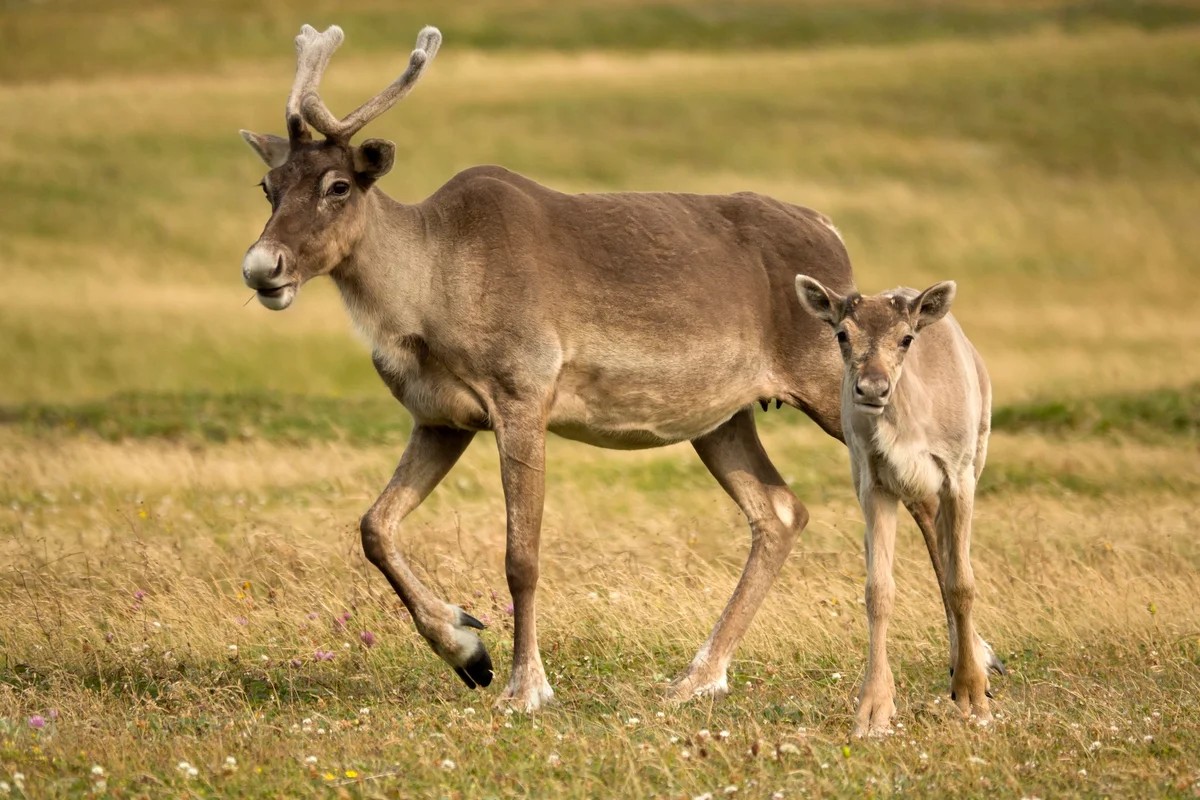
Female caribou are unique among deer species for growing antlers, and new research suggests one key reason why: they eat their shed antlers immediately after giving birth to replenish vital nutrients. This behavior, observed in a study of caribou in the Arctic National Wildlife Refuge, demonstrates a highly efficient and opportunistic feeding strategy.
The Nutritional Demands of Migration and Birth
Caribou undertake some of the longest terrestrial migrations on Earth—thousands of miles annually—and females complete these journeys while pregnant. This period is exceptionally taxing, requiring significant energy and mineral reserves. Shedding antlers just days before calving, females then consume them, obtaining a concentrated boost of protein, calcium, and phosphorus at a critical time when grazing is limited due to newborn calf care.
Evidence of Antler Consumption
Researchers analyzed over 1,500 antlers found in calving grounds, discovering bite marks on over 80% of them. According to study co-author Joshua Miller, “[Caribou] are just really going after the antlers… They are highly selective.” This confirms that antler consumption isn’t accidental but a deliberate behavior.
Beyond Nutrition: Other Theories on Female Antlers
While nutrition appears to be a primary driver, female caribou antlers likely serve multiple purposes. Some theories suggest they mimic young males to avoid aggression, or act as a defense against predators. However, the longevity of antlers on the landscape—persisting for decades or centuries—highlights their availability as a long-term nutritional resource. As conservation paleobiologist Danielle Fraser notes, antlers “can evolve to play multiple roles.”
Long-Term Implications for Caribou Conservation
The study’s findings have implications for understanding caribou population dynamics. The condition and location of shed antlers can reveal how herds change over time, potentially providing insights for conservation efforts. This research underscores that antlers are far more than ornamental or combative tools; they’re integral to the survival of caribou families.
As study co-author Madison Gaetano points out, animals will go to extreme lengths to meet their nutritional needs, demonstrating a remarkable adaptive strategy.