The rise of gambling in American culture is no longer a niche habit – it’s a pervasive force, driven by online platforms, aggressive marketing, and the sheer accessibility of betting through smartphones. This surge presents a growing public health issue, particularly among young men, and experts argue that one surprisingly effective countermeasure is better math education. Not to make gamblers, but to prevent them.
The New Reality of Youth Gambling
Less than a decade after the Supreme Court lifted federal restrictions on sports betting, gambling has exploded. The problem isn’t just sports; it’s the relentless onslaught of online casinos, influencer-driven promotions, and the addictive design of betting apps. A recent study found that over a third of boys will gamble before turning 18, and 60% are bombarded with gambling ads on social media. While underage gambling remains illegal, the ease of access makes enforcement nearly impossible.
This isn’t just about money; it’s about developmental risk. Teen brains are still maturing, making them uniquely vulnerable to impulsive behavior and delayed gratification. The psychological hooks of gambling—the near-misses, the push notifications, the feeling of control—exploit this vulnerability, turning casual bets into potential addiction.
Why Math Matters: Beyond Probabilities
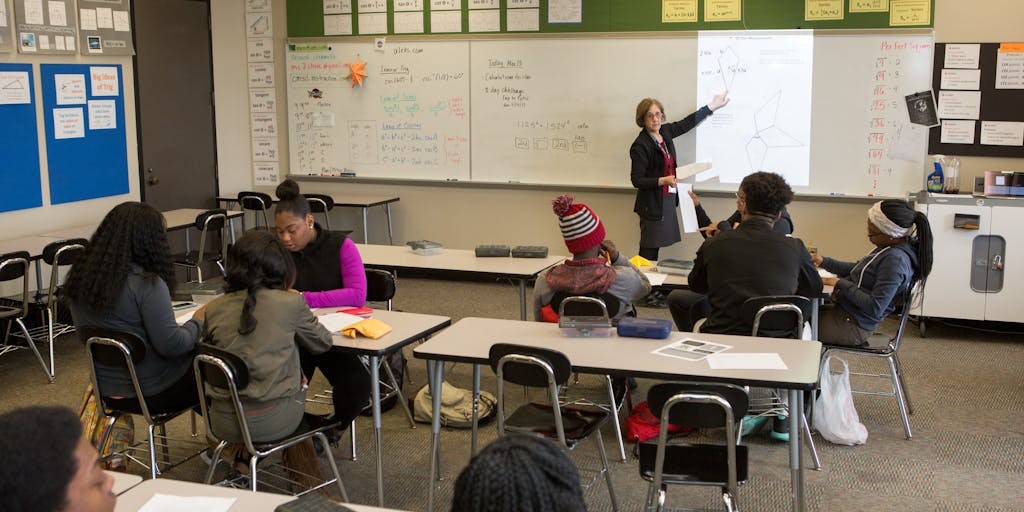
The core argument isn’t about teaching kids how to gamble better, but how to recognize the mathematical realities that gambling companies exploit. The industry relies on sophisticated algorithms and probability manipulation to ensure profit, and understanding this is the first step toward making informed decisions.
“Gambling is unrepentantly mathematical,” explains Sarah Clark, a research scientist at the University of Michigan. “Companies push parlays because the probability of winning is low, but they know that some people will keep chasing losses.”
Better math skills—specifically, a solid grasp of probability, data analysis, and critical thinking—can empower students to assess risk accurately. But it’s not just about calculating odds. It’s about recognizing how gambling companies use psychological tricks to lure players: free bets designed to encourage further spending, marketing tactics that prey on overconfidence, and the illusion of control.
A Holistic Approach: Beyond the Numbers
Experts like Isaac Rose-Berman, a former professional gambler, emphasize that math alone isn’t enough. Addiction involves complex psychological factors. But even when students understand the odds, they can still fall prey to addiction. The key is skepticism: understanding that gambling companies aren’t benevolent, but are actively trying to extract money.
Rose-Berman’s presentations to schools often involve debunking common misconceptions. Many young men believe their sports knowledge gives them an edge; he explains why that’s often false. The industry is designed to identify and ban profitable bettors, meaning that if you’re winning, you’re an anomaly, not a long-term success story.
The Bottom Line: Facing the Inevitable
The reality is that youth exposure to gambling is already widespread. Abstinence isn’t a viable solution. Instead, schools and parents need to equip students with the critical thinking skills to navigate a world where gambling is normalized. This means teaching math, yes, but also fostering awareness of manipulative marketing tactics and the inherent risks of financial speculation.
The goal isn’t to eliminate gambling; it’s to ensure that young people approach it with their eyes open, armed with the knowledge to make rational choices rather than falling victim to a rigged system.