Recent developments in medical science and paleontology are reshaping our understanding of health and prehistoric life. This week brought a reversal on Moderna’s mRNA flu vaccine, promising breakthroughs in universal respiratory protection, and the identification of a new spinosaurid species. Here’s a breakdown of the key developments.
Moderna Flu Vaccine Back on Track
The U.S. Food and Drug Administration (FDA) agreed to review Moderna’s mRNA flu vaccine after initially rejecting the application. The reversal came after internal debate within the agency, with one top official overruling reviewers, despite the trial design being standard for influenza vaccines. Moderna’s CEO, Stéphane Bancel, publicly criticized the FDA’s unpredictability, warning that inconsistent regulation could stifle pharmaceutical innovation in the U.S. This situation highlights the delicate balance between regulatory oversight and the rapid advancement of new medical technologies.
Universal Inhaled Vaccine Shows Promise
Researchers at Stanford University have developed an inhaled vaccine that could provide broad protection against multiple respiratory illnesses simultaneously. Unlike traditional vaccines that target specific pathogens, this new approach stimulates both the adaptive and innate immune systems. The innate immune system provides rapid, non-specific defense, while the adaptive system offers long-term immunity.
In mouse trials, the vaccine significantly reduced viral loads from COVID-19 and other coronaviruses, with all vaccinated mice surviving infection. The vaccine also offered protection against bacterial respiratory infections and even reduced allergy symptoms. Though still in early stages, the potential for a single inhaled vaccine to combat a range of respiratory diseases is a major step forward in preventative medicine.
New Spinosaurid Species Discovered in Inland Niger
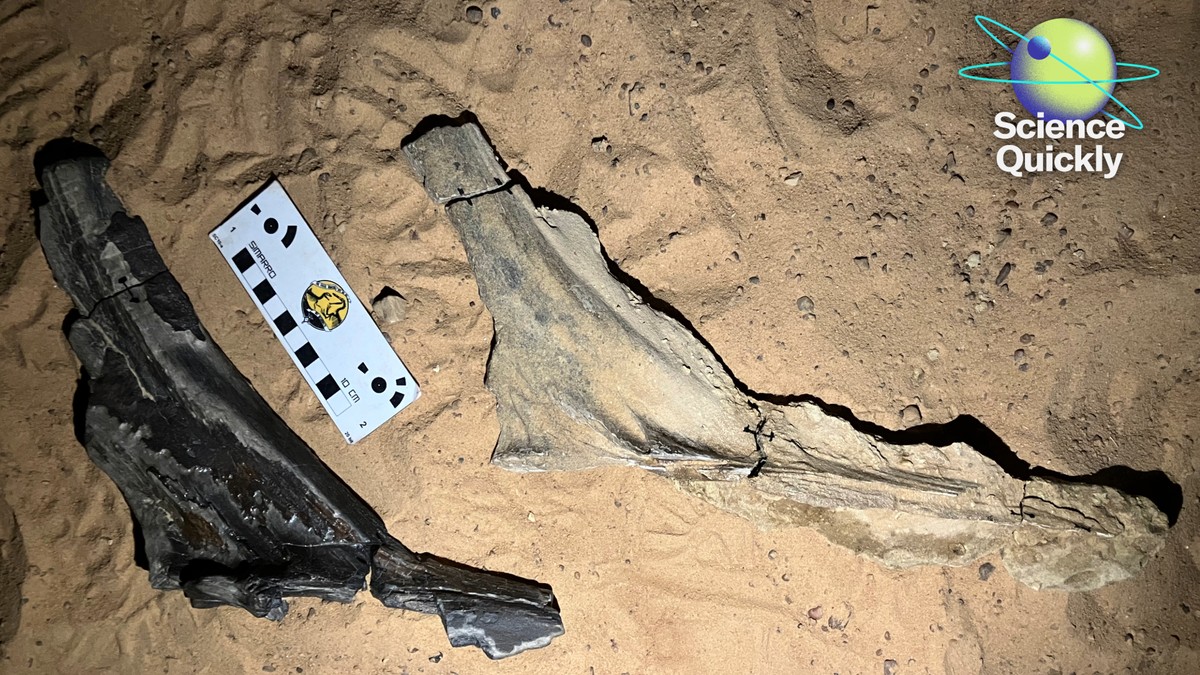
Paleontologists have identified a new spinosaurid species, Spinosaurus mirabilis, based on fossils discovered in inland Niger. This discovery challenges previous assumptions about spinosaurids being exclusively coastal creatures. The fossil record suggests that this species thrived in forested river systems, indicating these dinosaurs were not limited to aquatic environments. The new species is distinguished by a unique, scimitar-shaped bony crest on its back.
This finding expands our understanding of spinosaurid distribution and lifestyle, suggesting they were more adaptable to diverse ecosystems than previously thought. The discovery emphasizes the importance of continued paleontological exploration in Africa, a region rich in fossil evidence that continues to reshape our understanding of dinosaur evolution.
These developments – from vaccine regulation to groundbreaking immunity research and paleontological finds – demonstrate the relentless pace of scientific progress and its potential to transform human health and our understanding of life on Earth.