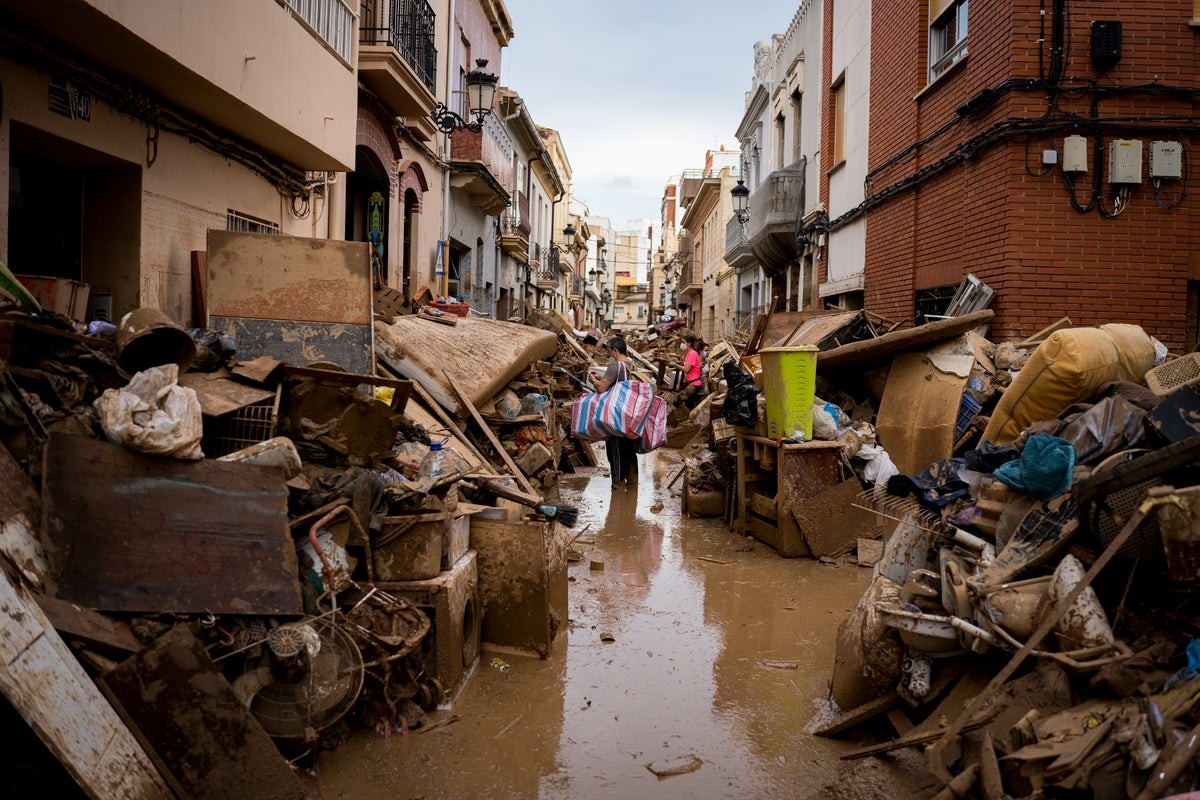
In October 2024, the Valencia region of Spain experienced catastrophic flooding after an unprecedented deluge. More rain fell in hours than typically falls in an entire year, triggering flash floods that claimed over 230 lives, destroyed infrastructure, and even derailed a train. Now, a new study confirms what scientists initially suspected: climate change significantly worsened this disaster.
Rainfall Intensified by Global Warming
Researchers found that the rate of intense rainfall during the six-hour period in Valencia was 21% higher than it would have been without the impact of climate change. This isn’t just about more rain overall; it’s about how quickly it fell, overwhelming drainage systems and turning streets into raging rivers.
Climate Attribution Science
The study uses a method called “climate attribution” – a rigorous way to measure the influence of human-caused warming on specific extreme events. While it’s clear that climate change generally increases the frequency and severity of disasters like floods and wildfires, determining how much it contributed to a single event requires detailed modeling and data analysis.
Widespread Impacts
The researchers simulated flooding scenarios with and without industrial-era greenhouse gas emissions, revealing a stark difference. The area impacted by severe rainfall (seven inches or more in 24 hours) was 55% larger due to climate change. This means the disaster wasn’t just more intense; it affected a far wider geographic area. The fact that 2024 was the hottest year on record underscores this trend.
What This Means
The findings, published in Nature Communications, demonstrate that the extreme weather events predicted by climate models are no longer future threats, but present realities. Cities must adapt to increasing risks of extreme weather, and urgent action is needed to prepare for the worsening effects of climate change. The study serves as a critical reminder that climate change isn’t just an environmental issue; it’s a matter of life and death.