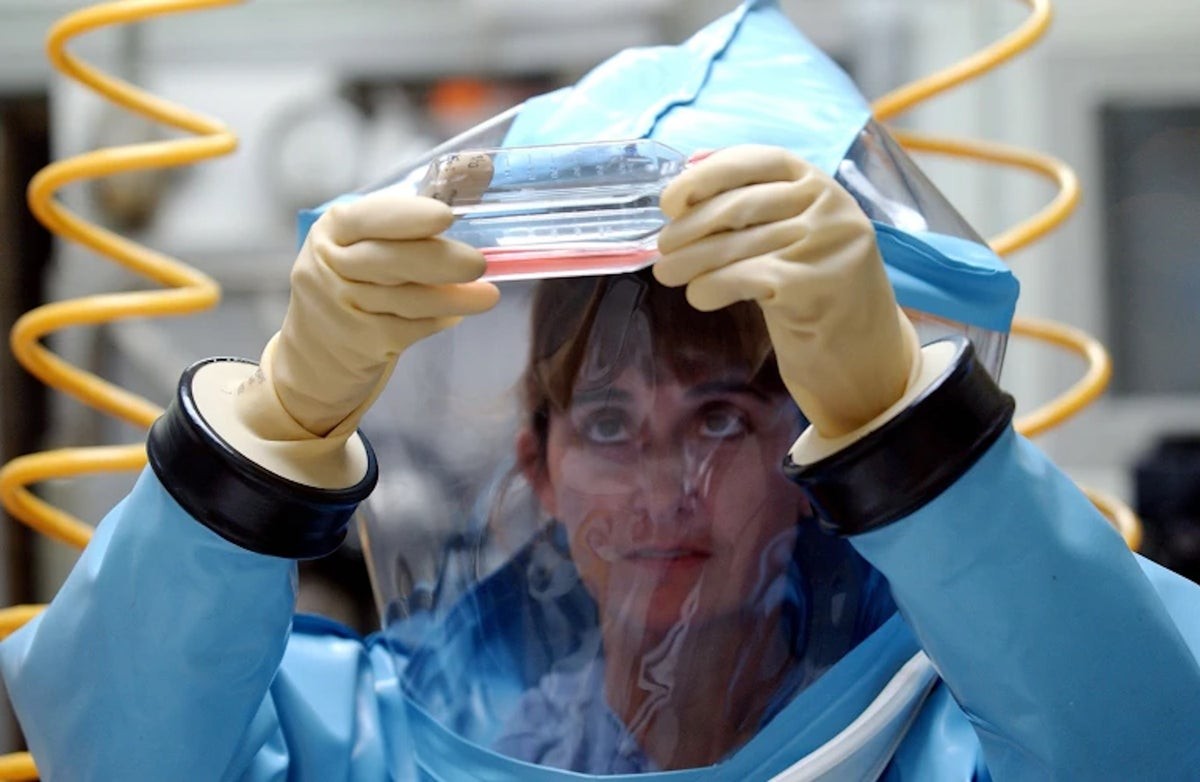
The United States’ National Institute of Allergy and Infectious Diseases (NIAID) is undergoing a major restructuring, with leadership instructing staff to remove terms like “biodefense” and “pandemic preparedness” from official materials. The move signals a deliberate shift away from proactive research into emerging threats, prioritizing instead immediate health concerns within the U.S. population.
A Strategic Reorientation
The decision, confirmed by multiple NIAID employees speaking under anonymity, comes after a period of scrutiny over the institute’s handling of public health measures during the COVID-19 pandemic. The new direction was outlined by NIH director Jay Bhattacharya, who described the overhaul as abandoning an “old model” that focused on predicting and preparing for future outbreaks.
The NIAID currently allocates approximately one-third of its $6.6 billion budget to studying emerging infectious diseases and biodefense. This research includes monitoring pathogen evolution, developing countermeasures against biological, chemical, and radiological threats, and understanding how diseases spill over from wildlife to humans.
Expert Concerns
Experts warn that deprioritizing these areas could leave the U.S. more vulnerable. Nahid Bhadelia, director of Boston University’s Center on Emerging Infectious Diseases, emphasizes that simply ignoring potential threats doesn’t eliminate them. Reducing preparedness efforts now could have severe consequences later.
“Just because we say we’re going to stop caring about these issues doesn’t make the issues go away — it just makes us less prepared,” Bhadelia says.
Political Context and Leadership Changes
The NIAID has faced political headwinds, particularly from Republican figures who criticized public health responses during the pandemic. Former director Anthony Fauci and the institute as a whole were targeted for policies like lockdowns and school closures, which some claim eroded public trust in health agencies.
The current acting director, Jeffery Taubenberger, took over after Jeanne Marrazzo was fired by the Trump administration. The new leadership, including Taubenberger and senior advisor John Powers, has publicly acknowledged past failures in preventing pandemic impacts.
The “New Vision” and Funding Shifts
The NIAID’s new vision, detailed in a commentary published in Nature Medicine, prioritizes basic immunology, allergic disorders, autoimmune diseases, and common infections affecting Americans today. This means a reallocation of funding is expected, with biodefense and pandemic preparedness projects under review.
Gigi Gronvall, a biosecurity specialist at Johns Hopkins, warns that few other U.S. agencies have the resources to fill the gap if funding is withdrawn. The NIAID’s unique infrastructure and budget are critical for foundational research in these high-risk areas.
Broader Implications
The restructuring also impacts the NIAID’s HIV/AIDS research division, which oversees a $1.5 billion portfolio. Consolidation of its 33 branches is anticipated, though the overall budget impact remains unclear.
The NIAID has experienced significant workforce reductions since Trump took office, with nearly 20% of its 21,000 employees laid off or departing voluntarily. Further staff cuts may follow as part of the restructuring.
The shift in priorities reflects a broader debate about how to balance long-term preparedness with immediate health concerns. While the NIAID’s new vision aims to address pressing U.S. health issues, experts caution that neglecting potential global threats could increase future vulnerability to pandemics and emerging infectious diseases.