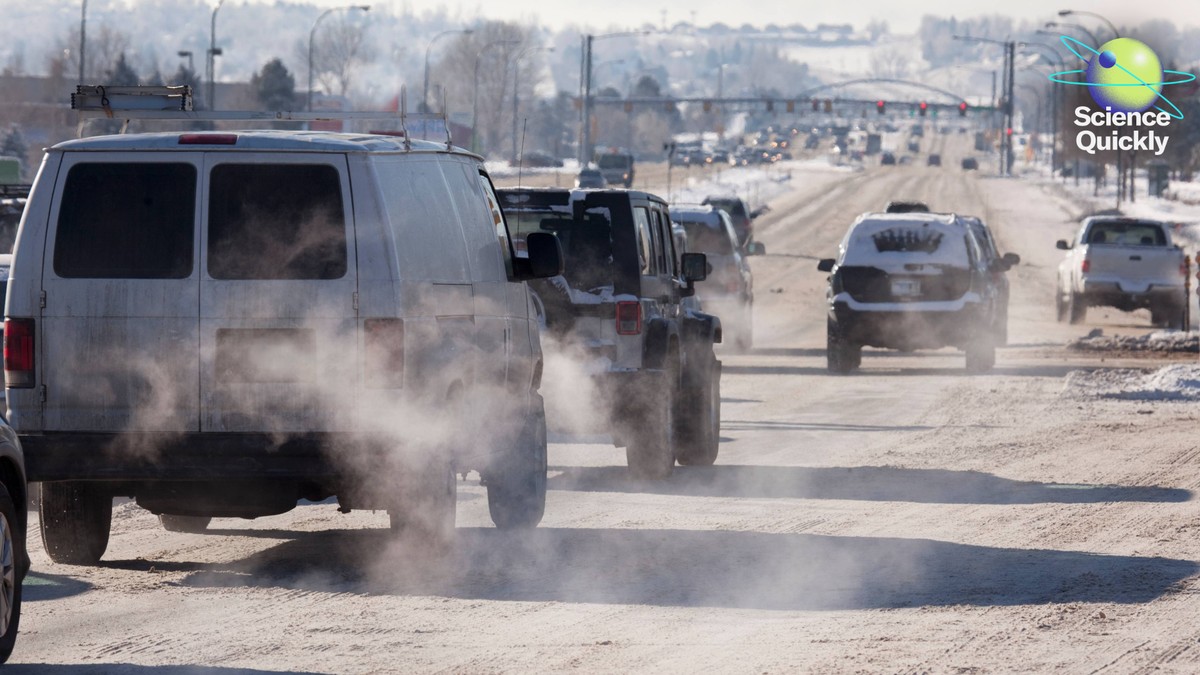
The Trump administration has formally ended a key environmental regulation, the “endangerment finding,” which underpinned U.S. climate policy since 2009. This decision effectively removes the legal requirement for the Environmental Protection Agency (EPA) to regulate greenhouse gas emissions from cars and trucks, though wider effects on industry are possible.
The move comes amid increasingly erratic weather patterns. While the East Coast experiences unusually severe cold snaps, regions in the West are breaking heat records. This is linked to a weakening polar vortex—a phenomenon where frigid Arctic air spills southward, while warmer air surges northward. These extreme shifts are not just anomalies, but a consequence of a warming climate, accelerating the frequency of wildfires, floods, and heat waves.
Meanwhile, concerns over misinformation continue to grow. A new study from Stanford University found that labeling AI-generated content does not significantly impact public trust or sharing behavior. This highlights the need for more effective strategies to combat the spread of AI-generated falsehoods.
Finally, the Olympics are embroiled in controversy over allegations that some ski jumpers have been using hyaluronic acid injections to artificially inflate their penis size, allowing them to qualify for larger suits that provide a competitive aerodynamic advantage. This extreme measure, while risky (with potential for severe infections and organ failure), demonstrates the lengths athletes will go to gain an edge.
These events—from policy reversals to weather extremes and athletic cheating—underscore the urgent need for factual science and critical thinking in a rapidly changing world.