


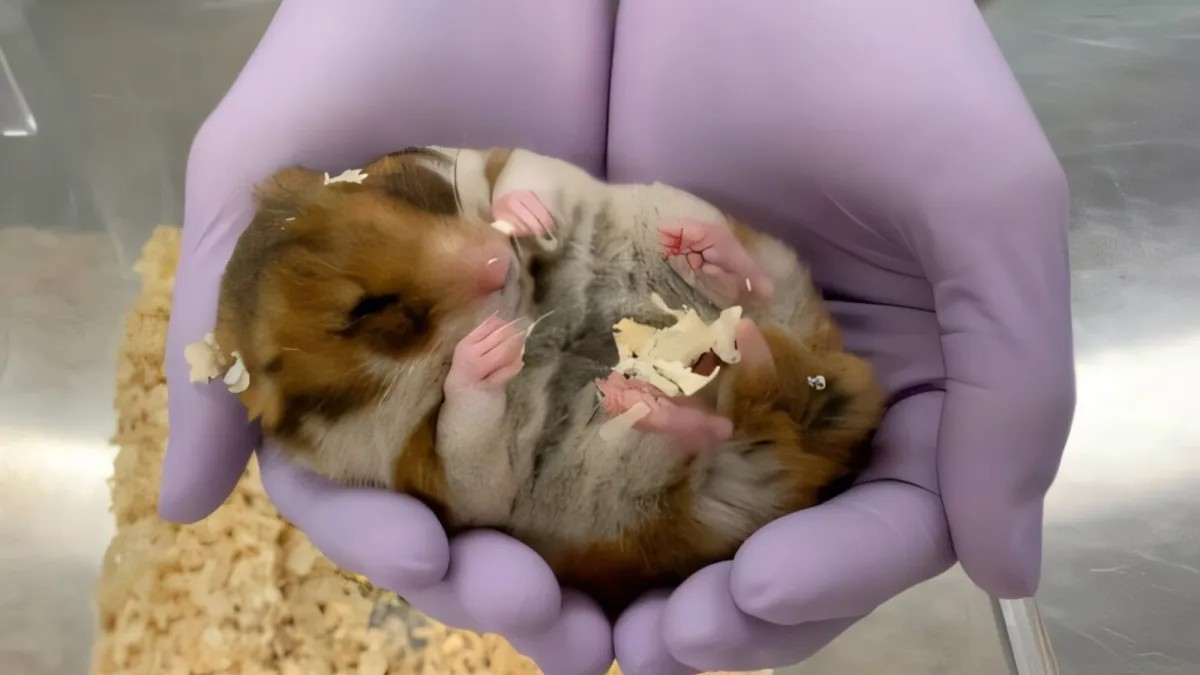
Recent research into the hibernation habits of small mammals, particularly hamsters, may hold surprising implications for long-duration spaceflight and even preventing muscle loss in patients on Earth. While humans cannot naturally hibernate, scientists are now uncovering the biological mechanisms that allow animals to survive prolonged periods of extreme cold and inactivity without significant muscle deterioration.
The Problem with Human Hibernation
For most animals, including humans, extended periods of inactivity at low temperatures lead to muscle atrophy—the breakdown of muscle tissue. This is because muscle stem cells, responsible for repair and maintenance, degrade in harsh conditions. However, hibernating animals like hamsters avoid this fate, entering a state where muscle stem cells remain viable, essentially pausing their activity until warmer conditions return.
How Animals Do It: A Reversible Pause
A study published in The FASEB Journal reveals that during hibernation, muscle stem cells don’t die; they enter a dormant state. This allows animals to conserve energy and preserve muscle tissue throughout the winter. As biochemist Mitsunori Miyazaki of Hiroshima University explains, the cells “actively suppress muscle repair in a controlled and reversible way.” When temperatures rise, muscle repair resumes seamlessly.
Implications for Humans
This discovery has far-reaching potential. Researchers suggest that understanding this process could help mitigate muscle loss in several human scenarios:
- Aging: Preventing age-related muscle decline.
- Prolonged Bed Rest: Reducing atrophy in patients confined to bed for extended periods.
- Medical Hypothermia: Protecting muscle during therapeutic cooling.
- Long-Term Space Flight: This is where the research shines; astronauts experience severe muscle loss in zero gravity. Mimicking the hibernation mechanism could allow for longer, healthier space missions.
The goal isn’t necessarily to make humans hibernate, but to replicate the cellular mechanisms that allow animals to protect muscle tissue during prolonged inactivity and extreme conditions.
“Understanding how muscle stem cells survive extreme cold while temporarily reducing their activity may provide useful insights for preventing muscle loss in humans… It may also offer clues for protecting muscle during long-term space flight.” —Mitsunori Miyazaki.
The next step is learning how to harness these biological processes for human application. This could fundamentally change how we approach long-duration space travel and muscle preservation.


