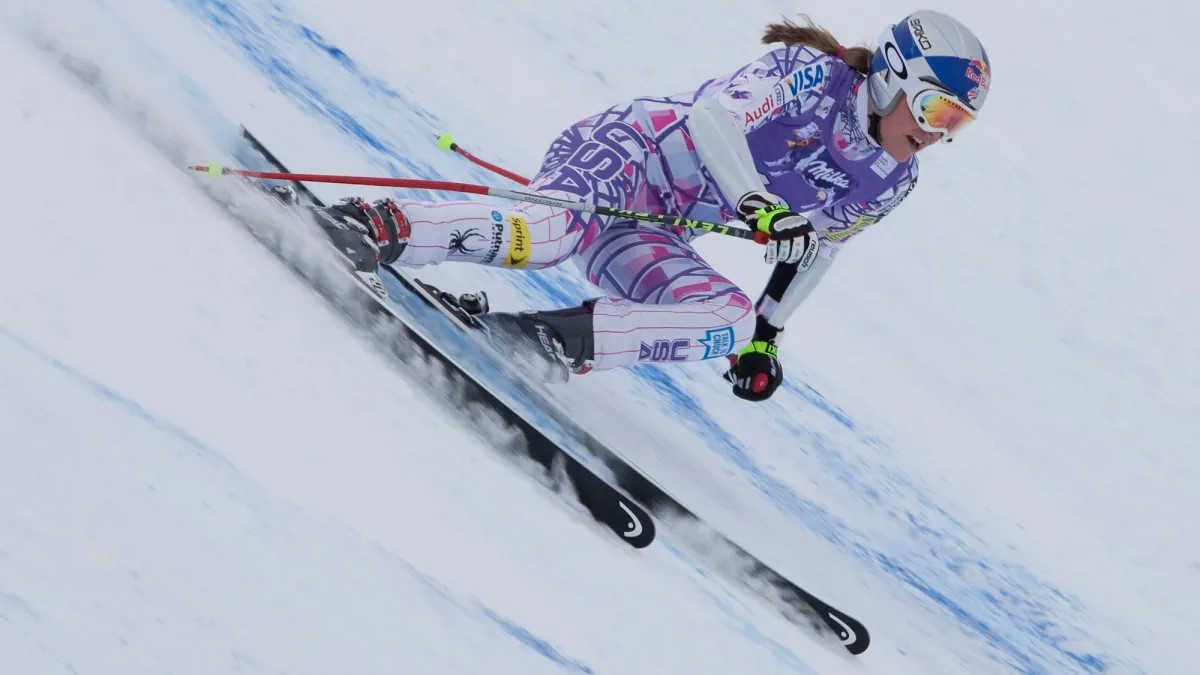
Downhill skiing at the highest level isn’t just about strength and technique; it’s a precise battle against physics, where even microscopic differences in equipment can determine victory. The biggest obstacle for any skier? Friction. For decades, manufacturers have relentlessly refined ski design to minimize resistance and maximize speed, and the results are striking.
The Evolution of Ski Technology
A 1964 Olympic champion transported to the 2022 Beijing Games would stand little chance against modern competitors. While skill remains crucial, today’s skis are fundamentally superior in both materials and shape. As Northwestern University physicist Stefan Kautsch points out, “The shape determines stability and the maneuverability of the ski.” Racers select equipment based on course demands: longer, straighter skis for wide turns in giant slalom, shorter, curvier skis for tight pivots.
Friction: The Core Principle
However, no matter the design, all skiers face the same fundamental challenge: kinetic friction. This is the inevitable resistance that occurs when two surfaces slide against each other. Counterintuitively, reducing friction isn’t about minimizing surface area but maximizing smoothness. The less granular the ski material, the lower the friction coefficient, and therefore, the faster the skier can go.
Smoothness Over Size
Kautsch illustrates this point with a simple experiment: Lego bricks sliding down an inclined plane. Size doesn’t matter—smoothness does. The same holds true for skis: a smoother surface, whether wide or narrow, will always outperform a rougher one. Friction isn’t the only factor influencing performance, but it’s undeniably top of mind for any elite skier facing a steep descent.
The race for gold comes down to a relentless pursuit of minimal friction, where even the smallest advantage can mean the difference between winning and losing.