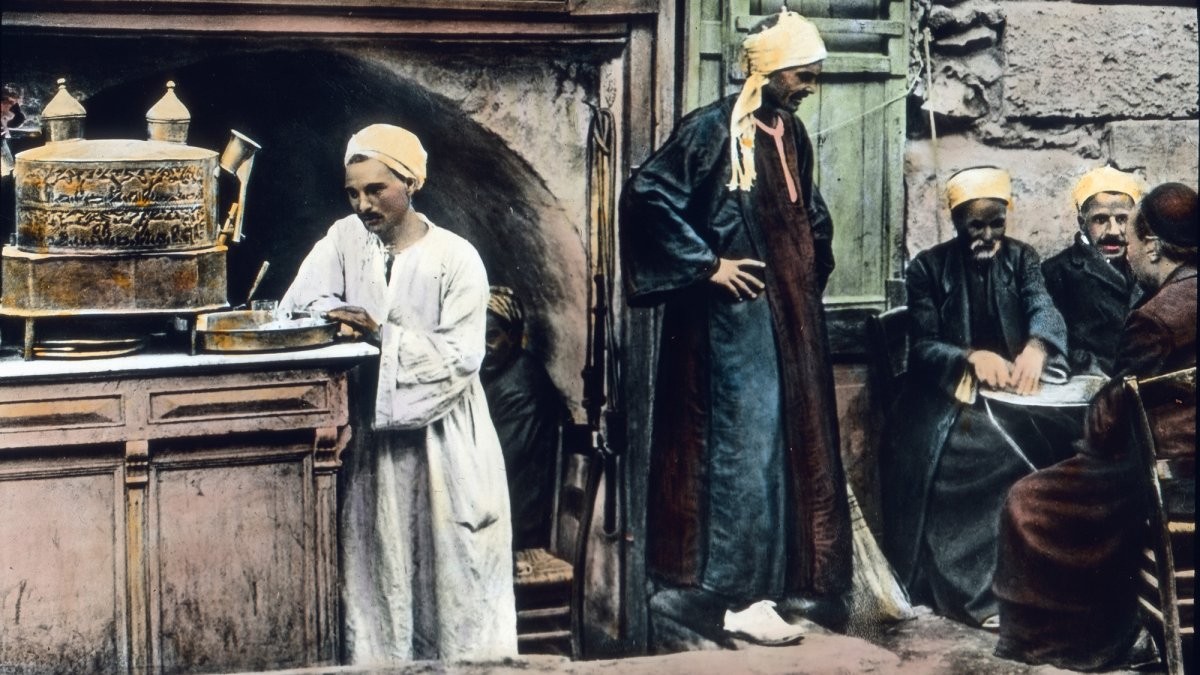
For centuries, coffee has been more than just a beverage; it’s been a cultural and political flashpoint. From ancient Sufi monasteries to modern-day cafes, the drink has inspired devotion, debate, and even outright prohibition. Throughout history, rulers and authorities have attempted to suppress coffee consumption, sometimes with brutal consequences – including executions. Here’s a look at four instances when drinking coffee was illegal… or worse.
The First Crackdown: Mecca in the 16th Century
Around 1500, coffee arrived in Mecca, quickly gaining popularity in coffeehouses frequented by locals and pilgrims. This sudden social gathering spot drew suspicion from Meccan official Kha’ir Beg, who, in 1511, pressured scholars to declare coffee harmful, intoxicating, and a breeding ground for “bad behavior.” Coffeehouses were shut down, beans burned, and drinkers beaten.
However, the ban didn’t last. Sultan Al-Ashraf Qansuh al-Ghuri overturned the decision, allowing private consumption while keeping public coffeehouses closed. This illustrates a recurring pattern: coffee’s social power was often the real threat, not the drink itself.
Istanbul Under the Reign of Terror: Sultan Murad IV’s Extreme Measures
Over a century later, Sultan Murad IV of the Ottoman Empire took a far more extreme stance. Coffeehouses were seen as dens of rebellion, where dissent and uprisings could fester. Murad IV, himself coming to power through rebellions, was paranoid and implemented a total ban with the death penalty for public consumption.
Stories from the era describe the Sultan personally executing coffee and tobacco drinkers, solidifying his brutal reputation. This ban wasn’t about health or economics; it was about absolute control.
Sweden’s Obsessive Bans: Five Attempts to Stop the Bean
Sweden banned coffee import five separate times between 1756 and 1817, not for moral reasons, but due to economic concerns. The country faced a trade deficit, and coffee imports drained valuable currency.
Despite the bans, enforcement was severe: police arrested, fined, and imprisoned anyone caught drinking or selling coffee. A popular myth claims King Gustav III conducted a medical trial on twins, one drinking coffee, one drinking tea, with both outliving him. The trial is likely false, but the bans were very real and enforced ruthlessly.
Prussia’s “Coffee-Sniffers”: A Secret Force Against Illicit Beans
In 1777, Frederick the Great of Prussia condemned coffee as a luxury for the elite and a drain on the economy. He established a royal monopoly, making coffee expensive and driving smuggling underground. To combat this, Frederick created the Kaffeeschnüffler – literally “coffee-sniffers.”
These were often wounded war veterans tasked with patrolling streets, sniffing out the aroma of illegally roasted beans. Those caught faced hefty fines, with a quarter going to the sniffer as a reward. This illustrates how far authorities would go to enforce a ban, even resorting to unconventional methods.
Today, outright coffee bans are rare. The focus has shifted to economic factors like tariffs and climate change, which impact prices but not legality. However, history proves that people will always find ways to get their fix, even under the threat of severe punishment. Coffee, it turns out, is a drink worth fighting for.